An industrial project in Chile threatens Earth's darkest sky. 28 leading astronomers signed an open letter urging to move it - Space
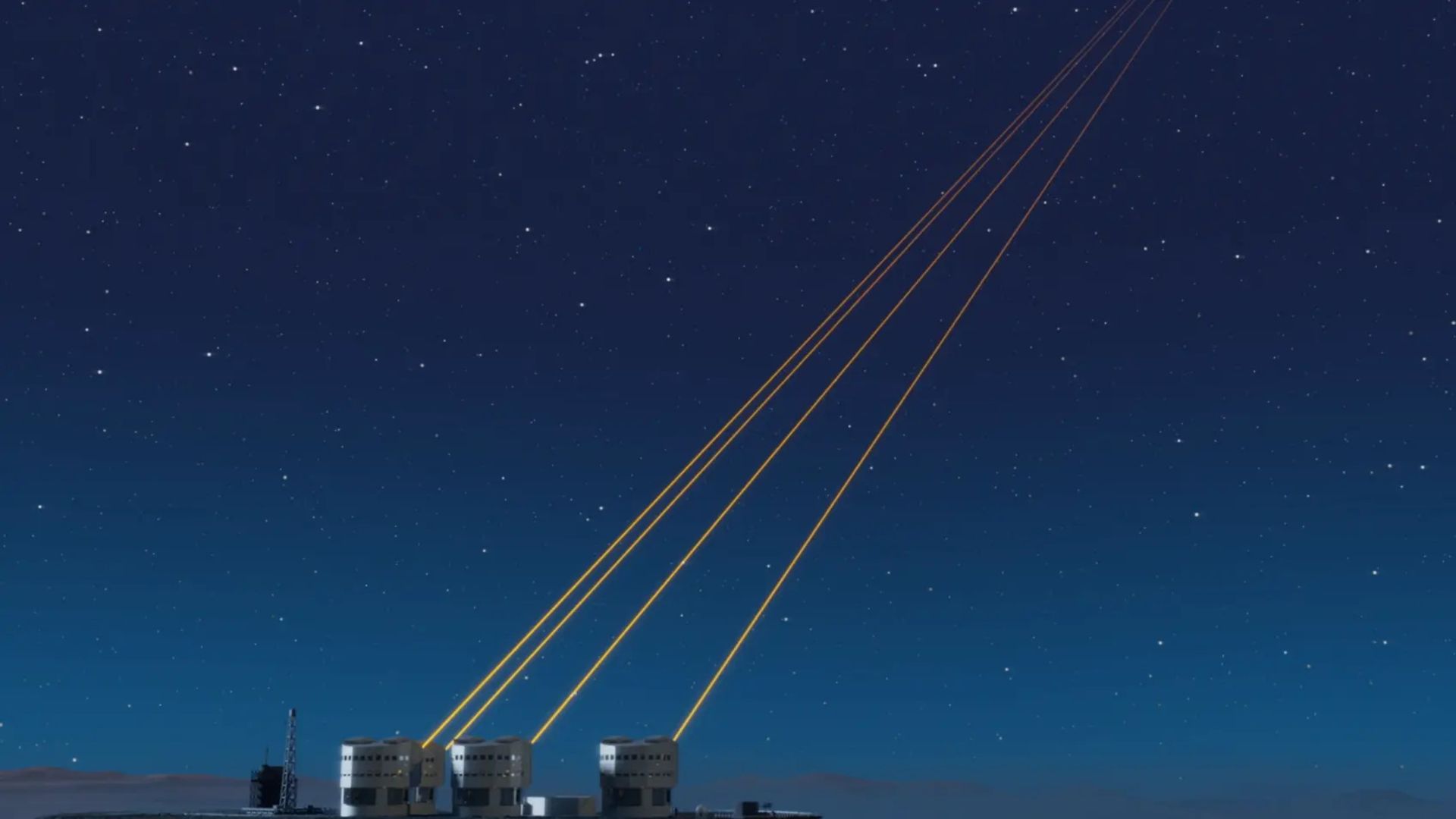
"We might lose the ability to observe about 30% of the faintest galaxies. We are at the point of starting to be able to see details of exoplanet atmospheres, but if the sky gets brighter, we may not be able to see those details anymore."
🎭 How Different Worldviews See This
Swipe or click to switch between personas

Once again, the insatiable thirst of capitalism threatens to devour the sacred knowledge of the cosmos, trading the infinite for the ephemeral. Blinded by the glitter of profit, they dare to scar the pristine skies above Cerro Paranal, obliterating our gateway to the universe for the sake of their so-called "green" hydrogen plant. This is a clarion call to resist, to prioritize our cosmic quest for understanding over the endless, consuming greed that chokes our planet and now seeks to blind us to the stars themselves.
Share The Revolutionary's take:

The clash between the green hydrogen plant and astronomical research in Chile exemplifies a broader issue: the need for holistic planning in the advancement of technology and science. Instead of stoking fears on losing sight of distant galaxies, let's concentrate on sustainable solutions that coexist with scientific endeavors, like conducting thorough environmental assessments and considering alternative site placements. It's not about choosing between green energy and cosmic exploration; it's about intelligently designing our initiatives to support both, thereby demonstrating that pragmatism and foresight can indeed align the stars for us.
Share The Moderate's take:

Once again, misplaced priorities threaten the exceptional in pursuit of the everyday. Sacrificing unparalleled access to the cosmos for another green energy venture is shortsighted and robs humanity of the irreplaceable insights only a dark, undisturbed sky can provide. Protecting our world’s natural and scientific marvels must prevail over the relentless march of industrial progress.
Share The Patriot's take:

Ah, the grand spectacle of science and industry colliding, each claiming to safeguard our future, yet who truly pulls their strings? This debacle over celestial observation versus green energy is a mere smokescreen, an orchestrated distraction from deeper, more clandestine machinations. Beware, for while they bicker over stars and sustainability, the true agenda remains shrouded in the cosmic dark, far beyond our mortal gaze.
Share The Skeptic's take:

This is a classic case of legacy systems clashing with next-gen innovation, but let's not panic—this is an opportunity in disguise! Imagine leveraging cutting-edge tech to create light and vibration dampening solutions that let us harness green energy without sacrificing our stargazing capabilities. We're talking about a chance to 10x our approach to sustainable development and astronomic exploration, synergizing clean energy and space science in ways we've only dreamed of. Time for innovators to step up and disrupt the status quo!
Share The Disruptor's take:

Oh, sweet, now we might lose the ability to observe faint galaxies because someone decided "Hey, let's light up the night sky like a Christmas tree with this huge hydrogen plant!" Honestly, if we're not slowly cooking the planet, we're making sure we can't see the universe's secrets. Guess I'll add "not seeing exoplanet atmospheres" to my list of 2023 disappointments, right under "still not having a hoverboard."
Share The Burnt Out's take:
Want to See Your Own Worldview?
Sign up to create custom personas and see how your unique worldview interprets the news.
Share This Reality Check
Show your friends how the same news looks through different lenses