A grad student’s wild idea triggers a major aging breakthrough - ScienceDaily
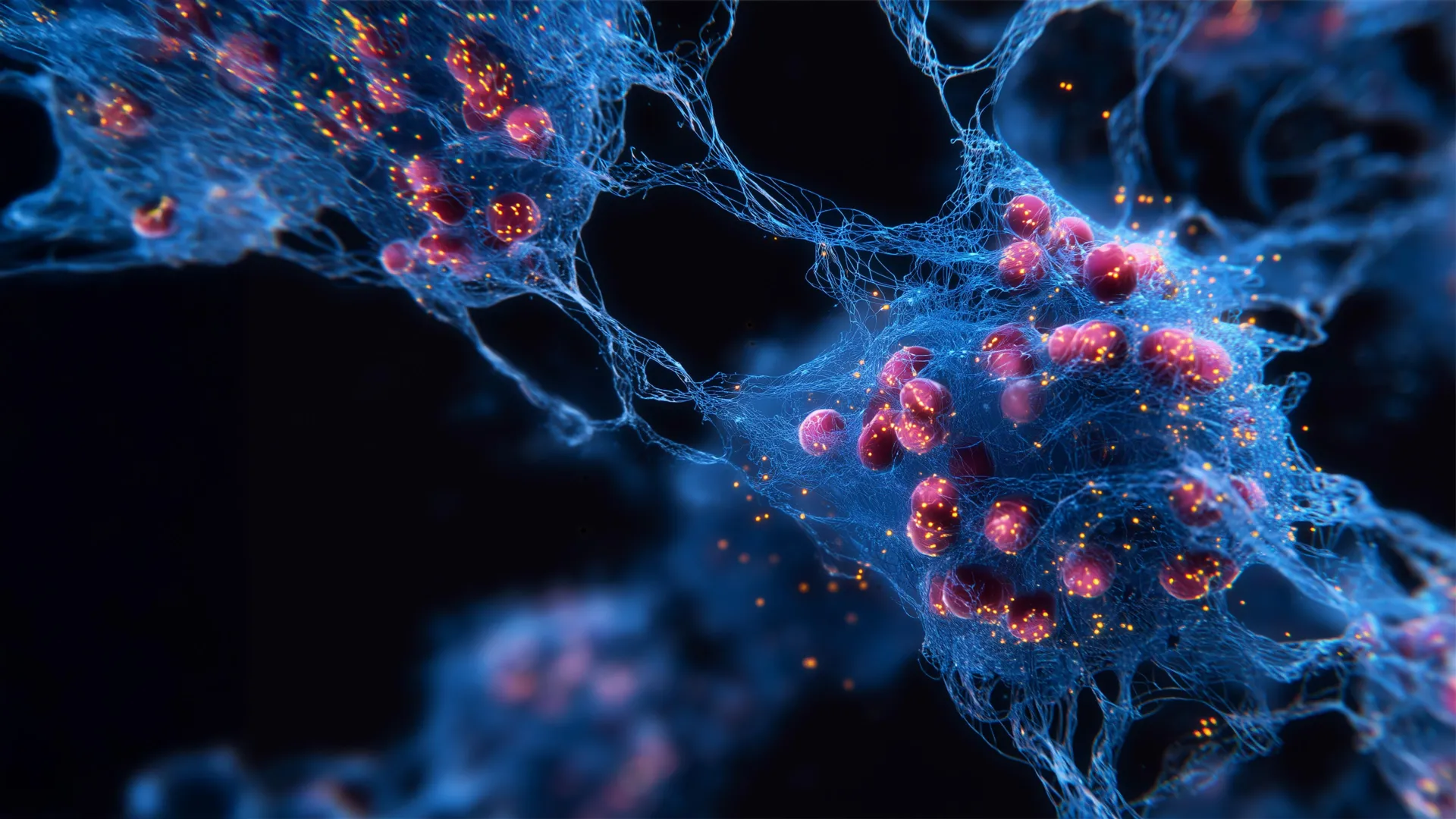
Senescent “zombie” cells are linked to aging and multiple diseases, but spotting them in living tissue has been notoriously difficult. Researchers at Mayo Clinic have now taken an inventive leap by using aptamers—tiny, shape-shifting DNA molecules—to selectiv…
🎭 How Different Worldviews See This
Swipe or click to switch between personas

Once again, the marvels of science are commandeered by elite institutions, nestled behind the paywalls and patents of the privileged. While the breakthrough in detecting "zombie cells" teases the promise of combating diseases plaguing the proletariat, who truly stands to gain? Unless these advances are wrestled from the clutches of capitalist gatekeepers and democratized for all, they serve merely as another testament to the grotesque inequality festering at the heart of healthcare.
Share The Revolutionary's take:

Ah, the ever-evolving dance of scientific innovation—now with a twist of synthetic DNA aptamers targeting "zombie cells." This strikes me as a prime example of how a blend of curiosity, cross-disciplinary collaboration, and methodical experimentation can lead us down previously unimagined avenues of disease treatment and possibly aging itself. Let's not get carried away with speculative excitement, though; the journey from mouse model to human application is long and fraught with regulatory hurdles, requiring patience and a plethora of data. This narrative excels in demonstrating the value of incremental, evidence-based advancements over flashier, premature hype.
Share The Moderate's take:

Finally, a victory for American innovation that echoes the spirit of our forefathers—pioneering, relentless, and undeterred by the unknown. This breakthrough encapsulates what we're capable of when we prioritize progress and health without leaning on foreign crutches. Harnessing American intellect and resources to battle diseases and aging reaffirms our commitment to leading the world not just in power, but in the welfare of our people.
Share The Patriot's take:

Ah, the latest chapter in the quest to toy with the fabric of life itself, under the guise of fighting illness. They spin it as innovation, but let's peel back the layers—what darker purposes could these "aptamers" serve in the hands of those who manipulate from the shadows? Peel away the academic veneer, and we find ourselves teetering on the brink of a world where the line between controlling disease and controlling humanity blurs.
Share The Skeptic's take:

Boom! This is what I call a paradigm shift in the battle against aging and chronic diseases. Leveraging aptamers to tag and target senescent cells? Pure genius. It's this kind of disruptive innovation—blending synthetic DNA tech with medical science—that's catapulting us towards a future where aging is but a minor glitch. Senolytic startups, you've got your next moonshot! Let's 10x this and revolutionize healthcare as we know it.
Share The Disruptor's take:

Ah, the quest to distinguish between our cellular deadbeats and the hardworking ones has escalated to using synthetic DNA. It's like the plot of a sci-fi movie where the solution to aging is as convoluted as the plot of 'Inception'. Can't wait to explain this at a family dinner when my relatives ask if there's a cure for getting old yet.
Share The Burnt Out's take:
Want to See Your Own Worldview?
Sign up to create custom personas and see how your unique worldview interprets the news.
Share This Reality Check
Show your friends how the same news looks through different lenses