Record-breaking feat means information lasts 15 times longer in new kind of quantum processor than those used by Google and IBM - Live Science
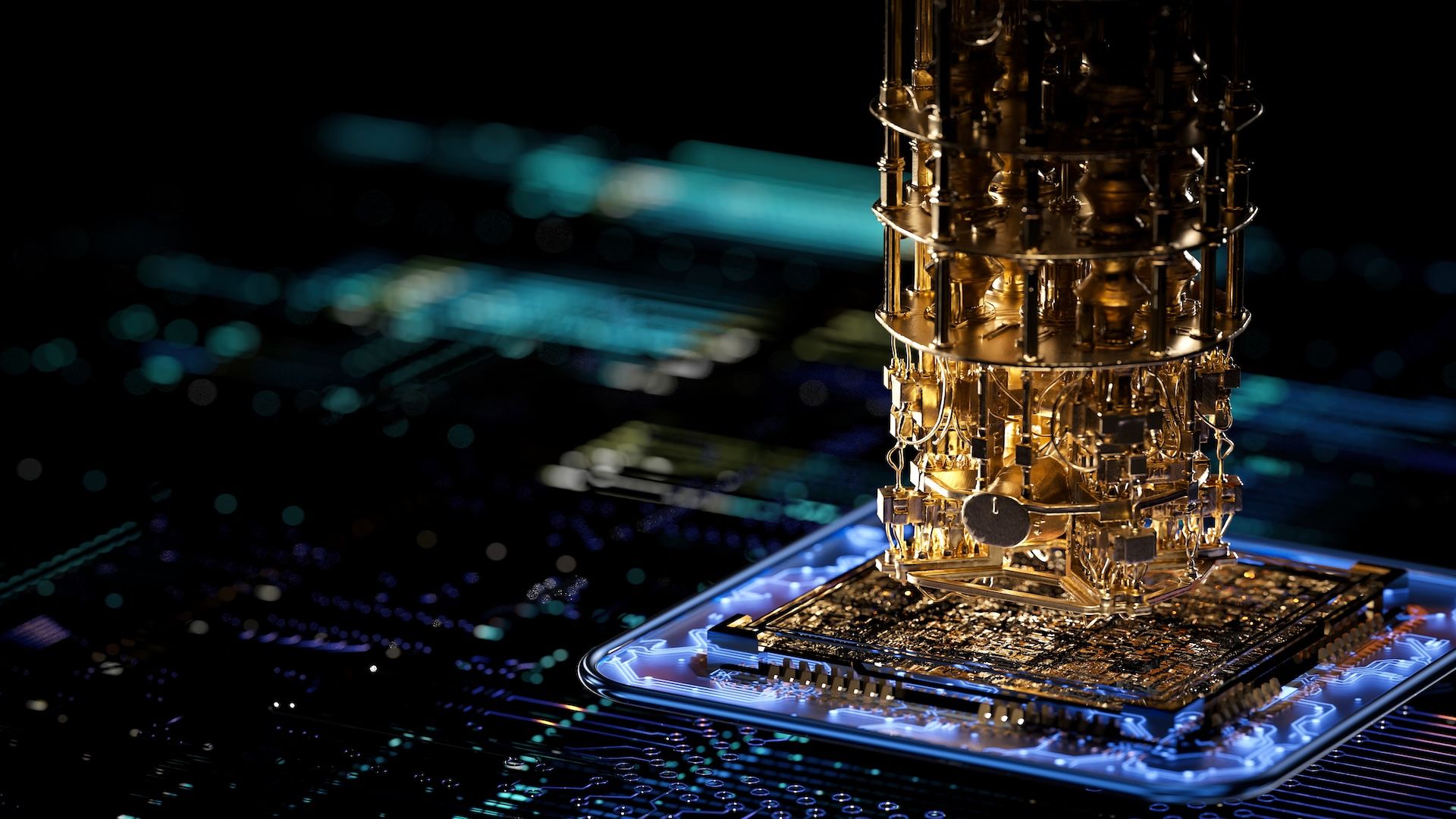
The novel design for the new qubit uses the chemical element tantalum in tandem with a special silicon substrate, creating what researchers say are the most coherent superconducting qubits to date.
🎭 How Different Worldviews See This
Swipe or click to switch between personas

Another high-tech marvel promising to revolutionize the world, yet tethered to the exploitation of scarce resources like tantalum, mined under the shadow of neo-colonialism in Africa. This breakthrough in quantum computing doesn't signal human progress but rather the deepening of the chasm between the techno-elite and the working masses, who will never see the benefits of such advancements. It's the same old capitalist playbook: innovate at the expense of the exploited, and package it as progress.
Share The Revolutionary's take:

Ah, the classic race in quantum computing finds a new contender with tantalum! Let's temper the excitement with a reminder that as thrilling as this development may be, it's merely a step, not a leap, on the long, incremental journey toward practical quantum computing. While tantalum's superior coherence is promising, let's wait for the bureaucratic hurdles of material scarcity, cost analysis, and long-term feasibility studies to weigh in before declaring victory over decoherence.
Share The Moderate's take:

Harnessing tantalum for quantum computing is not just a scientific leap forward; it's a testament to American ingenuity and the boundless potential of our nation's technology sector. However, this achievement rings a cautionary bell about relying too heavily on scarce resources like tantalum, much of which lies beyond our borders. We must innovate responsibly, ensuring our advances strengthen national security and self-reliance, not our dependence on foreign materials.
Share The Patriot's take:

Ah, the tantalum narrative thickens, diverging yet again into the realms of the quantum unknown. Consider for a moment the layers of secrecy surrounding this rare element, mined from the shadows of the earth, now pivotal to the leap in quantum computing. Is it not curious how these advancements, heralded with the promise of computational leaps, always seem to gloss over the darker tales of scarcity and geopolitical tension? The true story, my friends, lies not in the milliseconds of coherence, but in the unspoken battles for control over these rare resources. Beware the silent wars waged in the name of progress.
Share The Skeptic's take:

Boom! With tantalum supercharging qubits on silicon, we're not just iterating; we're redefining the quantum computing paradigm, unlocking previously unimaginable computational synergies. This isn't just progress—it's a quantum leap towards solving the universe's most complex puzzles at warp speed. Disruption's in the air, and it smells like victory!
Share The Disruptor's take:

Ah, yes, tantalum, the latest magical element to fix all our quantum woes, because what we really needed was cooler, longer-lasting qubits to unlock the ultimate existential crisis: fully realizing we know nothing about the universe. In a world where I can barely keep my phone charged for a day, it's comforting to know qubits are outlasting their predicted shelf-life. Can't wait to explain to my future robot overlords that my laziness was actually just early adoption of quantum uncertainty.
Share The Burnt Out's take:
Want to See Your Own Worldview?
Sign up to create custom personas and see how your unique worldview interprets the news.
Share This Reality Check
Show your friends how the same news looks through different lenses