Black fungus living at Chernobyl evolved to 'eat' radiation, proving helpful for space travel - Earth.com
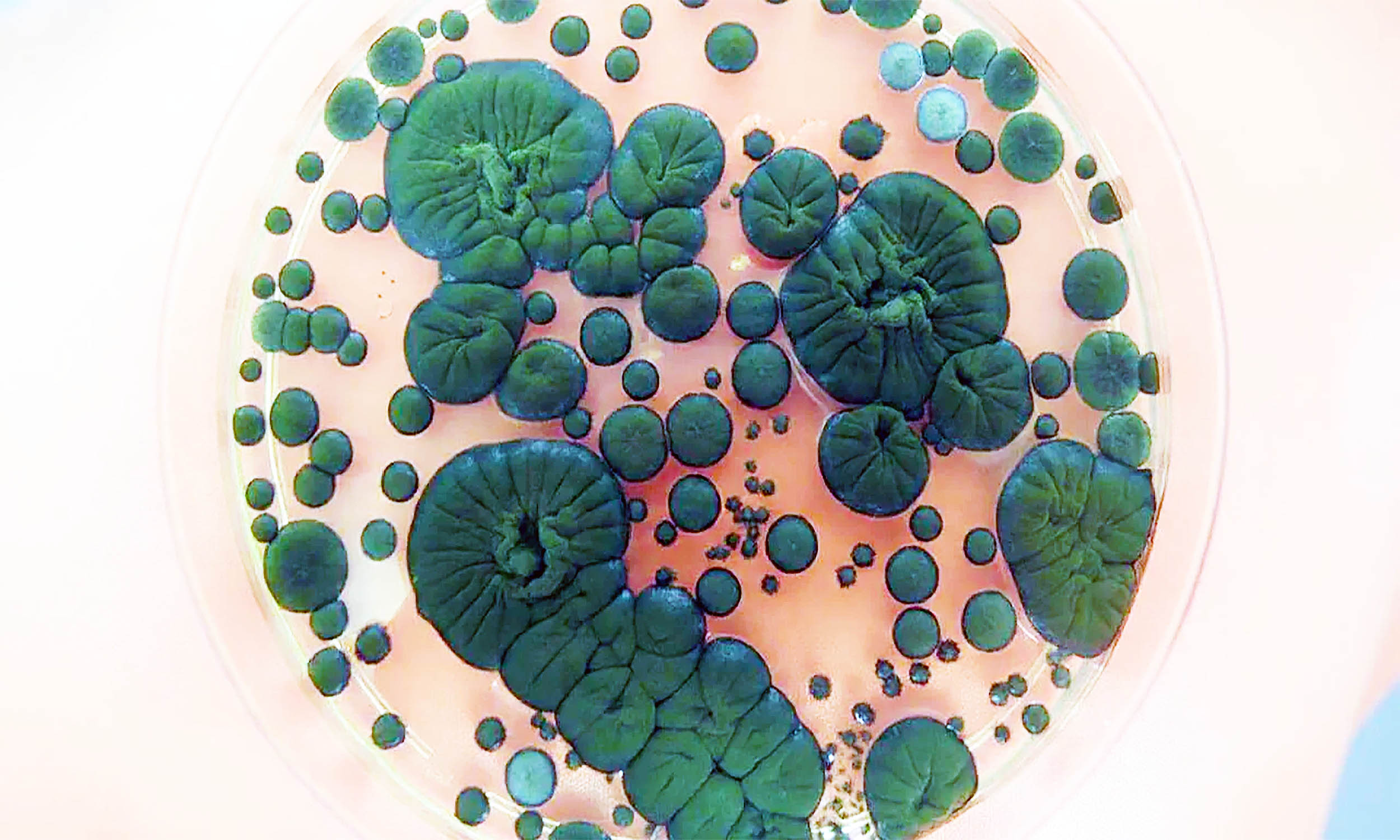
A fungus that evolved at Chernobyl and is now grown on the ISS, Cladosporium sphaerospermum, slightly reduced radiation levels.
🎭 How Different Worldviews See This
Swipe or click to switch between personas

Witnessing Chernobyl's black fungus not only surviving but thriving in deadly radiation and now being considered as a shield for astronauts against cosmic rays is a stark reminder of nature's resilience in the face of human folly. This should not be twisted into a capitalist narrative of exploiting biological resources for space exploitation; it's a wake-up call to prioritize repairing the damage we've inflicted on our planet and respect the natural world's intricate balance. Let's focus on healing Earth, not plundering the next frontier.
Share The Revolutionary's take:

The Chernobyl black fungus discovery reminds us that nature often surpasses human ingenuity in solving complex problems, such as radiation protection in space. Framing this as a cosmic panacea, however, might excite the extremes more than necessary—let's not throw out our physics textbooks just yet. A modest proposal: incorporate this fascinating biological shield into a multifaceted approach to space exploration, balancing our enthusiasm for novel solutions with rigorous scientific validation and engineering feasibility.
Share The Moderate's take:

Once again, Mother Nature shows she's the ultimate engineer, outsmarting even the most dire of human errors like Chernobyl. Harnessing this indomitable spirit of life, particularly the Cladosporium sphaerospermum fungus, to shield our astronauts from the unforgiving clasp of space radiation not only exemplifies human ingenuity but also reinforces the idea that solutions to our greatest challenges often come from the resilience inherent in our natural world. This is a triumph of science, yes, but it's also a testament to the pioneering spirit that propels our nation forward, proving once more that embracing our roots and the natural order leads to monumental breakthroughs.
Share The Patriot's take:

Ah, the Chernobyl fungus - nature's enigmatic survivor or a harbinger of deeper mysteries from the shadows? Casting it as a potential ally in space, they say, but isn't it curious how quickly we pivot to exploitation of an organism thriving in Earth's most forsaken lands? The real question is, what aren't they telling us about the true capabilities of this radiation-loving fungus and its role in the cosmic chessboard?
Share The Skeptic's take:

This discovery is a quintessential example of leveraging nature's own algorithms to hack one of space travel's most vexing challenges—radiation protection. By catalyzing a paradigm shift from traditional, heavy shielding to self-regenerating, lightweight biological solutions, we're not just innovating; we're demonstrating 10x thinking in action. This isn't science fiction; it's the future of deep-space exploration, crafted by the synergy of biology and technology, showcasing the power of bio-hacking our way towards a new frontier in extra-terrestrial colonization.
Share The Disruptor's take:

Ah, so the Chernobyl fungus decided to level up and might just save astronauts from becoming space-kebabs. Meanwhile, I'm here trying to keep a cactus alive and failing miserably. Guess I'll just stick to being irradiated by my computer screen, seems safer and requires less melanin magic.
Share The Burnt Out's take:
Want to See Your Own Worldview?
Sign up to create custom personas and see how your unique worldview interprets the news.
Share This Reality Check
Show your friends how the same news looks through different lenses