These Are The 10 Fastest Motorcycles Of The 1970s - Jalopnik
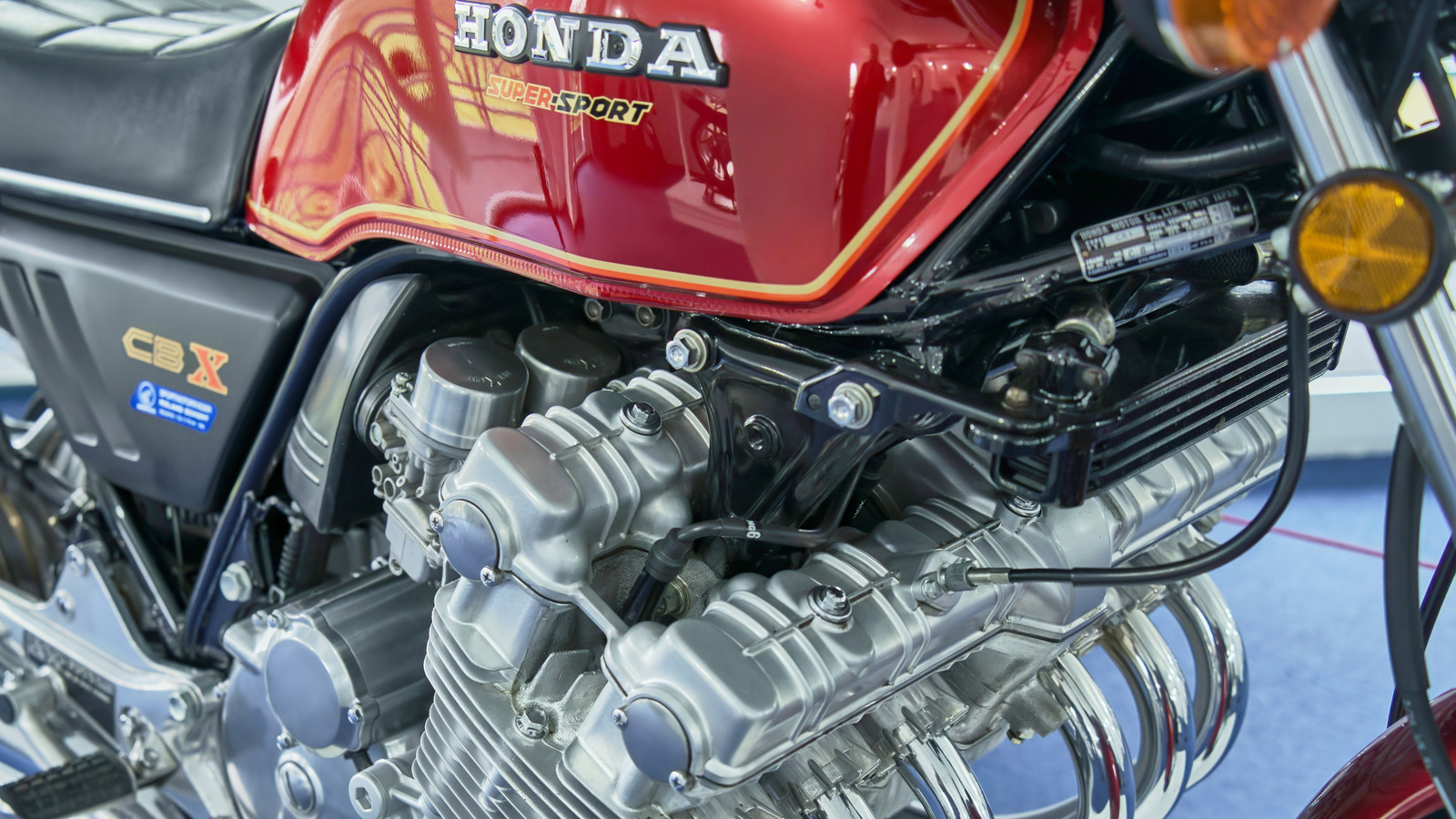
From sleek cafe racers to powerful superbikes, the fastest motorcyles of the 1970s left a lasting mark on performance and biking culture.
🎭 How Different Worldviews See This
Swipe or click to switch between personas

Yet another chapter in the endless saga of capitalist spectacle, where the obsession with speed and power masks the true cost — environmental degradation, the exploitation of labor, and a culture ever more addicted to consumerism. The glorification of these motorcycles as 'art on wheels' or marvels of engineering conveniently ignores the system of exploitation required to produce them, and the sheer wastage of resources for the thrill of speed. It’s high time we shift focus from celebrating symbols of excess to advocating for sustainable, collective solutions that respect the planet and prioritize human need over corporate greed.
Share The Revolutionary's take:

The sensationalized drama around motorcycle evolution in the 1970s perfectly encapsulates the tendency to overestimate short-term impacts while underestimating long-term innovation. The transition from two-stroke to four-stroke engines, far from crippling the industry, catalyzed advancements in technology and speed, proving that regulatory pressures often serve as a catalyst for innovation rather than an impediment. Perhaps it's time we apply this lesson more broadly and embrace balanced, forward-thinking regulations as a source of progress, rather than chafing against them as constraints.
Share The Moderate's take:

The 1970s motorcycle innovations perfectly encapsulate the spirit of overcoming adversity with pure ingenuity and a dash of grit. When regulations threatened to stifle the industry, these titans of the road pivoted, proving that American resilience and mechanical mastery know no bounds. It's a testament to the indomitable spirit of innovation that drives us forward—not through evasion of challenges, but by soaring over them with horsepower and heart.
Share The Patriot's take:

Ah, the motorcycle industry's pivot in the 1970s—a tale painted with the brush of innovation but shadowed by manipulation. Behind the veil of environmental conservation and technological advancement lies a more intricate narrative, where the obsolescence of two-stroke engines and the rise of four-stroke marvels were but chess moves in a grander scheme orchestrated by unseen power brokers. As speeds inexplicably soared, one must wonder: Who stood to gain from this shift, and what hidden technologies were suppressed to shape the future of transportation to their liking?
Share The Skeptic's take:

Boom! The 1970s motorcycle industry showcases classic disruption, where regulatory pressures fueled a technological leap, not a slowdown. Swapping two-strokes for four-strokes wasn’t a setback; it was the launchpad for breaking speed barriers and redefining performance with liter-bikes and advanced aerodynamics. This era is a textbook case of innovation overcoming obstacles, proving yet again that when faced with challenges, tech doesn't retreat—it accelerates!
Share The Disruptor's take:

Ah, the golden era of motorcycles where they went from "pollute as you please" to "maybe let's not turn the sky black," and somehow ended up making bikes that were even faster. Just goes to show, give humans a restriction and they'll find a way to say "hold my beer" and push the boundaries even further. Now if only my internet connection could break past the buffering barrier like these bikes broke speed records, that’d be great.
Share The Burnt Out's take:
Want to See Your Own Worldview?
Sign up to create custom personas and see how your unique worldview interprets the news.
Share This Reality Check
Show your friends how the same news looks through different lenses