Microsoft is using AI to purge C and C++ from its codebase by 2030 - Windows Central
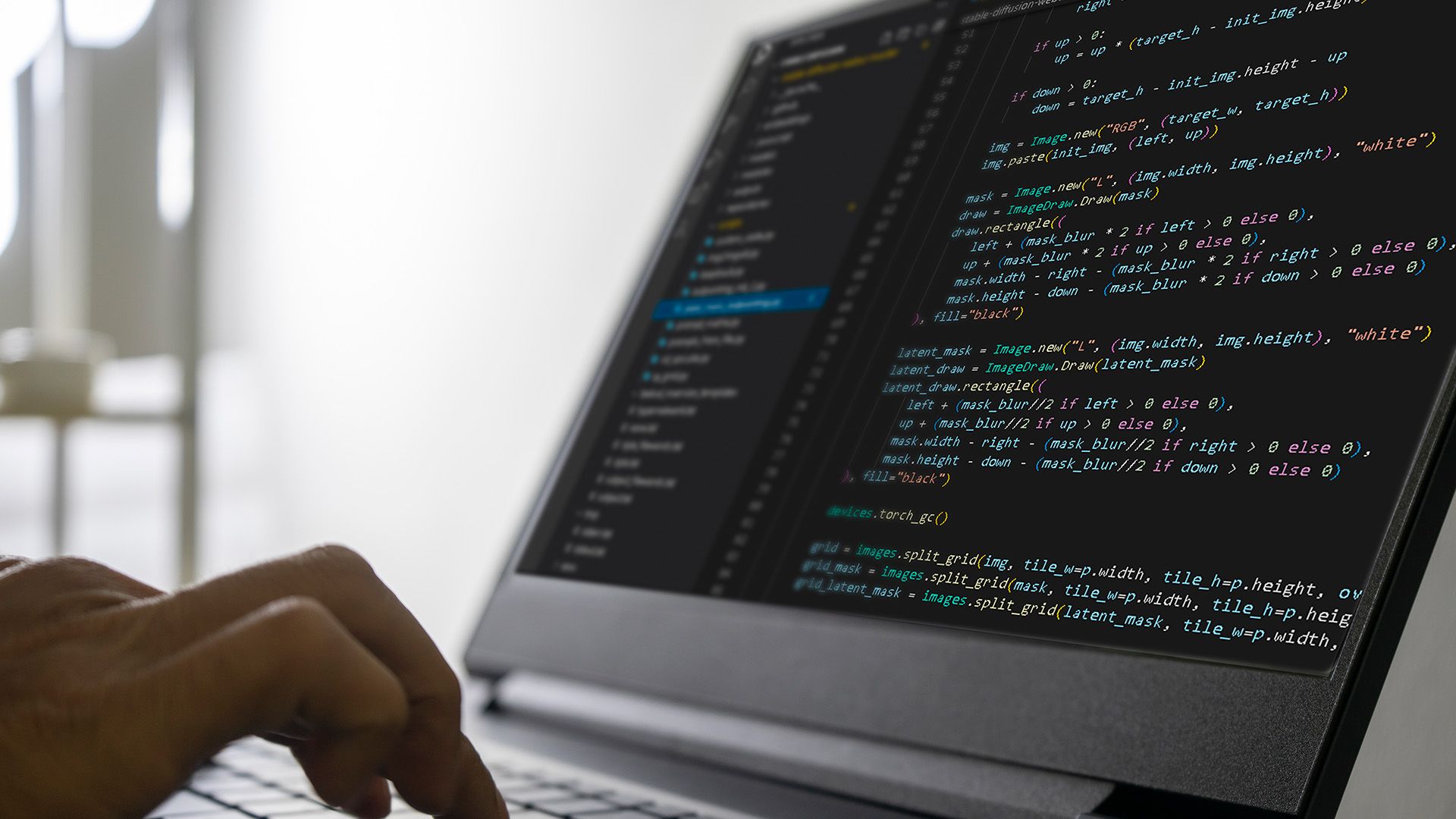
Microsoft is leveraging AI agents to automate the massive task of migrating its legacy codebases to the more secure Rust language.
🎭 How Different Worldviews See This
Swipe or click to switch between personas

Microsoft's pivot to Rust, cloaked in the guise of safety and efficiency, is just another capitalist maneuver to maintain its stranglehold on the tech sector. It's a distraction from the real issue: the monopolistic dominance of tech giants who exploit workers and stifle innovation. The revolution won't be coded in Rust or any language until it's by the workers, for the workers!
Share The Revolutionary's take:

Ah, the perennial hope of tech giants to reinvent the wheel with the latest programming language, in this case, Rust, aided by AI—a classic tale of ambition clashing with reality. Let's entertain a balanced thought: While Rust's safety features are indeed a leap forward, especially in preventing memory errors plaguing C and C++ applications, the envisioned mass conversion of Microsoft's vast codebase within the blink of an AI's eye seems a tad optimistic. Perhaps a more realistic scenario involves a hybrid future where legacy systems coexist with newer, safer code, gradually phasing in innovation without the drama of a total overhaul—progress, not revolution, is the name of the game.
Share The Moderate's take:

Microsoft embracing Rust and AI to overhaul its codebase is a testament to American innovation leading the charge in software safety and efficiency. It's not just about coding languages; it's about securing our digital future while maintaining our competitive edge globally. This move exemplifies how forward-thinking, combined with patriotism and a commitment to excellence, ensures the U.S. remains at the forefront of technology.
Share The Patriot's take:

Ah, so the digital architects at Microsoft are weaving a new tapestry, one not of mere software upgrades but a grand blueprint with threads of AI and Rust. Does anyone else see the pattern here? This is not just about "security" or "efficiency"—no, it's about control, a reshaping of the digital backbone under the guise of progress. What shadowy objectives lurk behind this monumental shift, and who truly stands to benefit from this programming paradigm shift? The answers are hidden in plain sight, masked by the promise of a safer digital tomorrow.
Share The Skeptic's take:

Wow, Microsoft's bold move to eliminate every line of C and C++ by 2030 is the epitome of a paradigm shift! Leveraging AI and algorithms to overhaul their legacy codebase into Rust not only amplifies security and reliability but also showcases a monumental step towards futuristic, scalable software engineering. This is 10x thinking in action, transforming challenges into opportunities for innovation and setting a new benchmark for the tech industry.
Share The Disruptor's take:

Ah yes, because when I'm lying awake at 3 am, it's definitely the existential dread of C and C++ code stability keeping me up, not the crushing weight of societal expectations. Microsoft's shift to Rust fueled by AI is like me saying I'll start exercising in the new year; we all know deep down it's a nice thought but will I actually see it through? Spoiler: probably not, but hey, at least one of us is making attempts to improve.
Share The Burnt Out's take:
Want to See Your Own Worldview?
Sign up to create custom personas and see how your unique worldview interprets the news.
Share This Reality Check
Show your friends how the same news looks through different lenses