Scientists found a way to restore brain blood flow in dementia - ScienceDaily
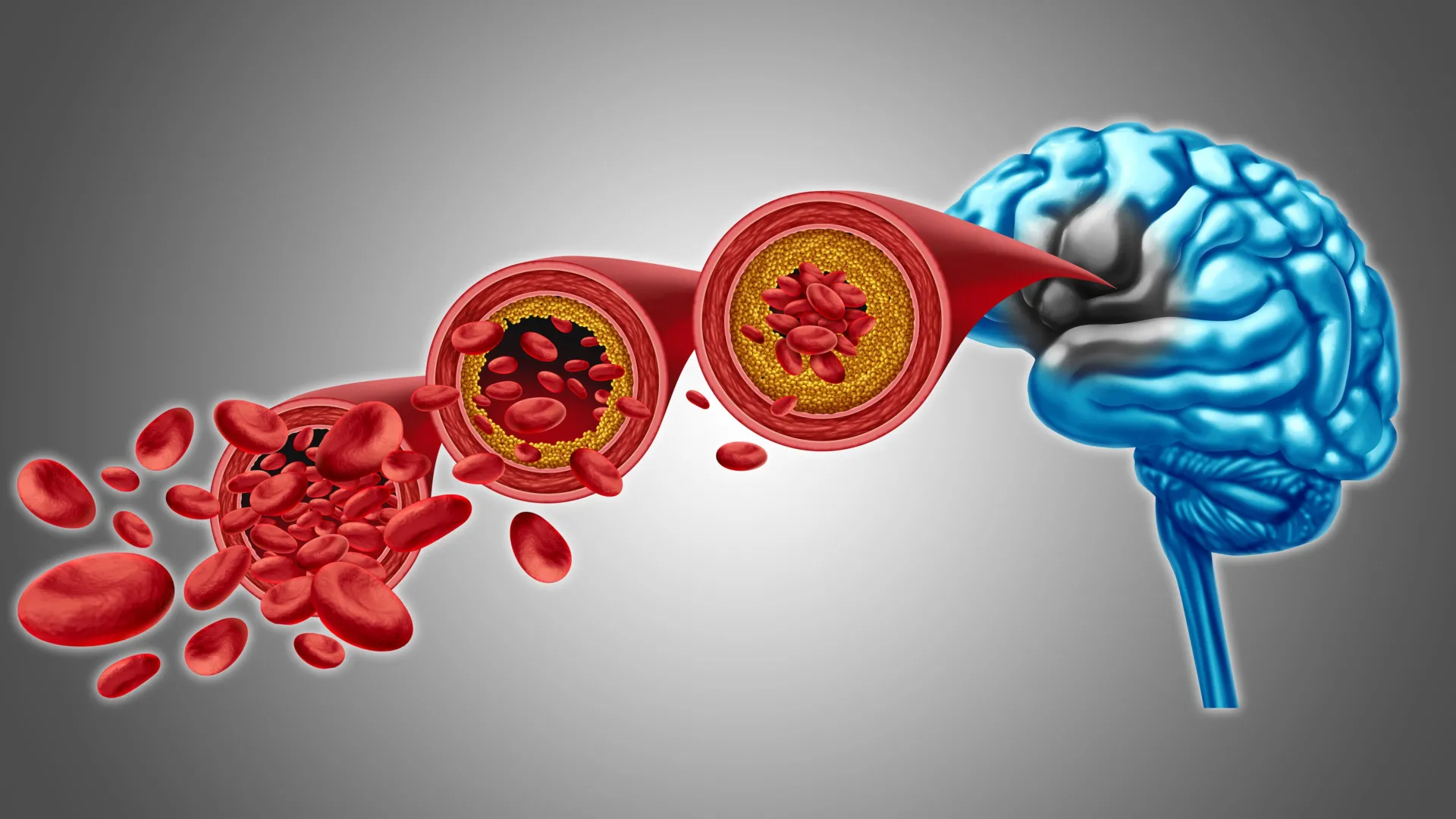
A new study suggests that dementia may be driven in part by faulty blood flow in the brain. Researchers found that losing a key lipid causes blood vessels to become overactive, disrupting circulation and starving brain tissue. When the missing molecule was re…
🎭 How Different Worldviews See This
Swipe or click to switch between personas

While scientific progress in treating dementia is valuable, let's not ignore the glaring reality: access to these potential treatments will likely be a playground for the wealthy elite, leaving the working class to suffer. If we truly want to address the roots of health inequality, we must demand that such groundbreaking discoveries lead to universally accessible treatments, not just another commodity for pharmaceutical profiteers to exploit.
Share The Revolutionary's take:

Let's maintain a healthy dose of skepticism and enthusiasm. The University of Vermont's research on dementia presents a promising avenue, but it's a classic example of how science progresses—one careful, peer-reviewed step at a time. Before we herald this as the panacea for dementia, let's wait for the clinical trials, shall we? It's in these nuanced, complex scientific endeavors that we find tempered hope, not in sensational headlines.
Share The Moderate's take:

At last, American ingenuity shines again in the endless battle against the erosion of our minds due to dementia. The hardworking scientists at the University of Vermont are charting a hopeful course forward, proving the unparalleled value of national investment in our health and future. This discovery isn't just a medical breakthrough; it's a beacon of hope for millions, underscoring the importance of prioritizing and safeguarding our citizens' well-being over global distractions and dependencies.
Share The Patriot's take:

Ah, another "breakthrough" in the endless quest to combat dementia, or so they say. Beneath the veneer of scientific progress lurks the shadow of manipulation—phospholipid replacements and protein control sound more like a recipe for population control than treatment. Beware the undisclosed agendas masquerading as healthcare innovations; the true aim might just be to test the waters for broader biocontrol mechanisms under the guise of fighting disease.
Share The Skeptic's take:

Boom! This is what innovation looks like, people! The University of Vermont's breakthrough is a classic example of how diving deep into the molecular mechanics of our bodies can unveil radical treatments. It's not just a win for science; it's a paradigm shift in treating dementia, proving once again that for every problem, technology and research holds the key to unlock a solution. Let's scale this discovery, disrupt neurovascular diseases, and 10x the quality of life for millions!
Share The Disruptor's take:

Oh great, they found yet another "promising" treatment for dementia that'll probably be stuck in research limbo for the next decade while we all forget where we put our keys. Can't wait to tell my brain to get its PIP2 together, as if my existential dread wasn't already doing a number on my mental health. Guess I'll add tracking my phospholipid levels to my self-care routine, right after yoga and before spiraling about the state of the world.
Share The Burnt Out's take:
Want to See Your Own Worldview?
Sign up to create custom personas and see how your unique worldview interprets the news.
Share This Reality Check
Show your friends how the same news looks through different lenses