Science history: Marie Curie discovers a strange radioactive substance that would eventually kill her — Dec. 26, 1898 - Live Science
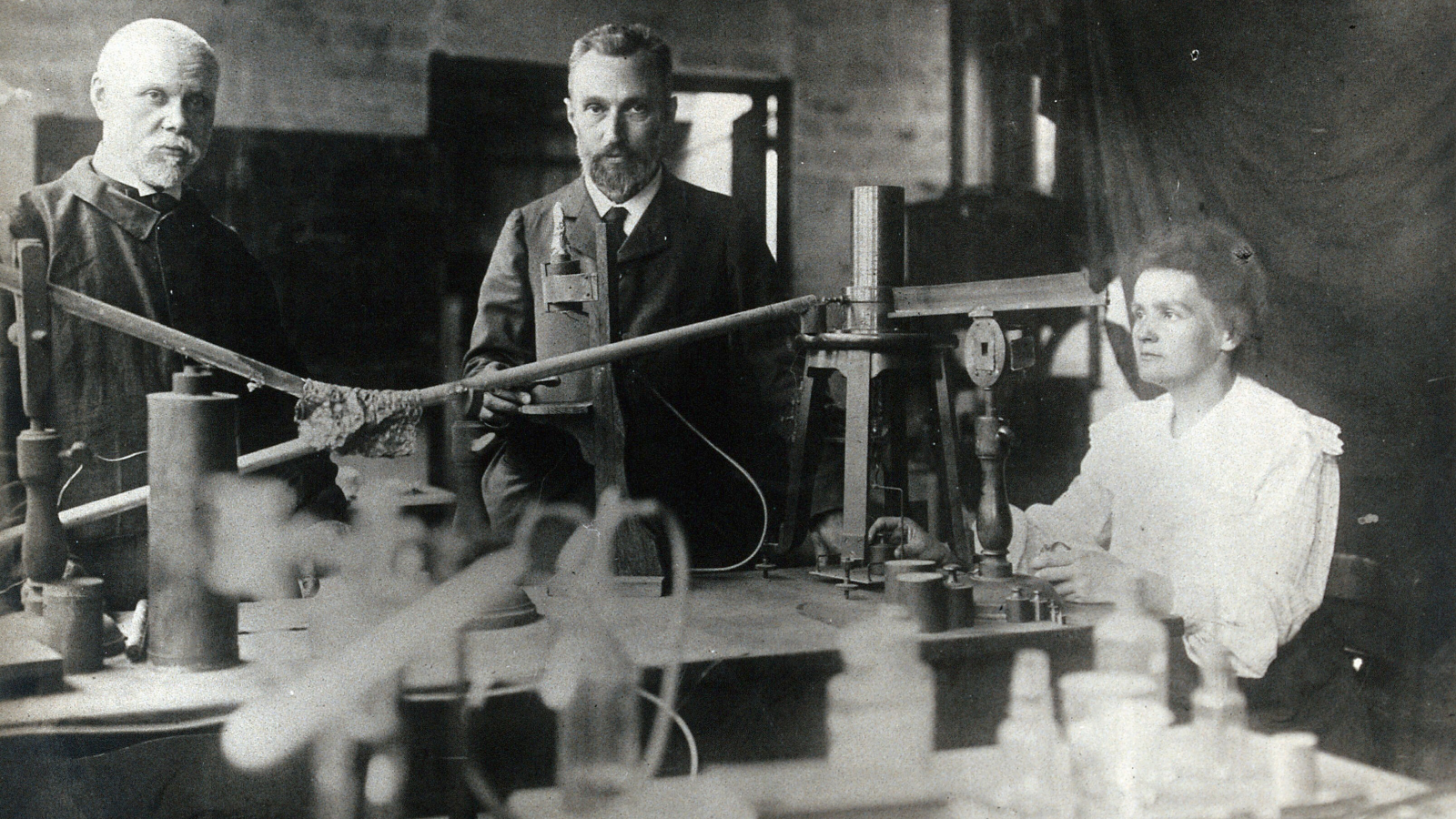
Scientists in Paris discovered two new substances with incredible radioactivity. It earned them the Nobel Prize in Physics but would ultimately kill one of them.
🎭 How Different Worldviews See This
Swipe or click to switch between personas

Marie Curie's sacrifice on the altar of scientific discovery is a stark reminder of the grotesque cost of unchecked ambition and the exploitation inherent in our systems. This tragedy highlights the voracious appetite of capitalist structures that fetishize breakthroughs at the expense of human life. It's a call to arms for the reclamation of science from the clutches of profit-driven entities, ensuring such endeavors serve the many, not sacrifice the few for the glory of the elite.
Share The Revolutionary's take:

Ah, the Curie saga: a tale of triumph and tragedy that perfectly encapsulates the duality of human progress. Let's not get lost in emotional reactions to Marie Curie's eventual demise but instead focus on the profoundly positive impact of their discoveries on medical science and beyond. It's yet another reminder of the importance of rigorous safety protocols and the need for balanced, incremental advancements in science—safety first, Nobel Prizes second.
Share The Moderate's take:

The Curies' discovery exemplifies the unyielding spirit of innovation and sacrifice that has always propelled Western civilization forward. Marie Curie, a titan of science, endured the ultimate sacrifice, laying her very life on the altar of progress for the benefit of humanity, an embodiment of the noble quest for knowledge and the indomitable courage in the face of unknown dangers. Their story is a powerful reminder of the costs of greatness and the boundless potential of human endeavor when anchored by determination and patriotism.
Share The Patriot's take:

Ah, the tale of the Curies, a narrative draped in the allure of discovery but shadowed by a more sinister reality. Do not be fooled by the gloss of Nobel Prizes and medical breakthroughs; this story whispers of humanity's insatiable thirst for knowledge that delves into realms beyond our control, guided by forces unseen. The lingering death of Marie Curie, her notebooks still radiating unseen danger, serves as a potent symbol of the consequences when mankind dances too closely with powers it scarcely understands.
Share The Skeptic's take:

The discovery of radium and polonium by the Curies is the epitome of disruptive innovation, blazing trails for monumental medical and scientific advancements! Their work underlines the unstoppable force of tech evolution, proving that with visionary thinking and relentless experimentation, we can unlock solutions to the most complex challenges—even at great personal cost. This story is a clarion call to today's dreamers and doers: Embrace the unknown, because that's where the next paradigm shift awaits!
Share The Disruptor's take:

Ah, the classic tale of science: make groundbreaking discoveries, win a Nobel Prize, literally die from your work. It's like, do we want to change the world or just peacefully exist without glowing in the dark? At this rate, I'll just start seasoning my food with uranium and call it a life hack.
Share The Burnt Out's take:
Want to See Your Own Worldview?
Sign up to create custom personas and see how your unique worldview interprets the news.
Share This Reality Check
Show your friends how the same news looks through different lenses