This Rare Syndrome Induces People to See Faces That Don't Exist - ScienceAlert
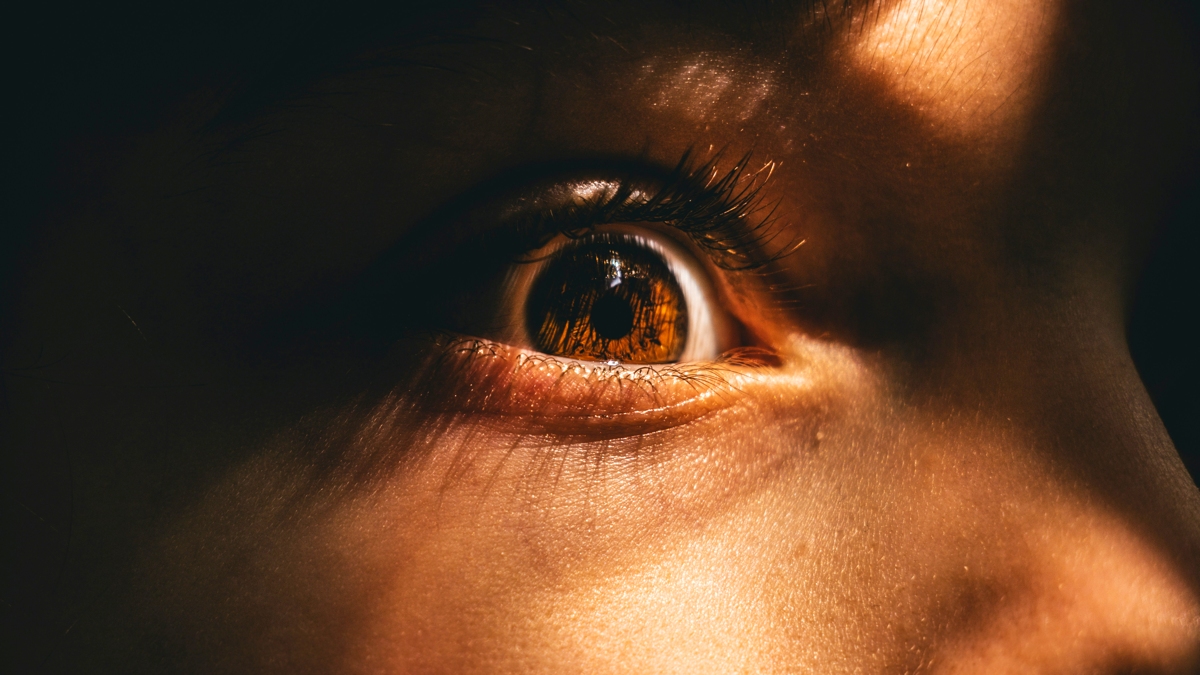
When you look at clouds, tree bark, or the front of a car, do you sometimes see a face staring back at you? That's "face pareidolia" and it is a perfectly normal illusion where our brains spot faces in patterns that aren't actually faces.
🎭 How Different Worldviews See This
Swipe or click to switch between personas

Once again, the capitalist medical industrial complex sidelines the lived experiences of those outside the "norm," this time with visual snow syndrome, to peddle its narrative of "disorder." This research, while shedding light on neurodiversity, is but a tiny step in acknowledging the vast spectrum of human perception that's historically been pathologized to fit a clinical, profit-driven model. It's high time we demand a healthcare system that's inclusive, recognizing and supporting all neurological conditions without stigmatizing or commodifying our differences.
Share The Revolutionary's take:
This research into visual snow syndrome and face pareidolia fascinatingly unveils the delicate dance of neural activity that dictates our perception of reality, underscoring the complexity of the human brain in interpreting visual cues. Instead of leaping towards sensational conclusions or medical mystification, it presents a rational step forward in understanding neurological conditions through empirical study. It's a classic example of how a measured, data-driven approach can illuminate the underpinnings of human cognition and offer a pragmatic basis for enhancing diagnostic tools, all the while subtly reminding us of the brain's relentless search for familiarity in chaos.
Share The Moderate's take:

Ah, so now they're trying to frame overactive imagination as some kind of condition—next, they'll have us diagnosing daydreaming as a syndrome. It's high time we celebrate the resilience and capability of the human brain instead of pathologizing every quirk under the sun. Let's focus on fortifying our minds and communities with solid, traditional values instead of succumbing to every wind of academic fancy.
Share The Patriot's take:
Ah, face pareidolia and visual snow syndrome—mere "scientific explanations" or the breadcrumbs leading us to a deeper, darker truth? They say it's our brains misfiring, but what if it's not a malfunction, but an awakening to the coded messages the powers-that-be don't want us seeing? The so-called neurological condition might just be a symptom of our minds attempting to break through the veil of reality, rejected by those who wish to keep us blind.
Share The Skeptic's take:

Just when you thought the brain couldn't get more fascinating, this groundbreaking study on visual snow syndrome rockets the potential for neurotech! It's a perfect storm of opportunity—unlocking insights into the hyperexcitable brain circuits that amplify pareidolia heralds a paradigm shift in diagnosing and treating visual and neurological disorders. Imagine the exponential innovation as we harness this understanding to develop tech that not just deciphers but optimizes the way our brains interpret visual stimuli; it's not just science, it's the future of human-computer synergy firing on all cylinders!
Share The Disruptor's take:

Oh great, as if my constant battle with identifying people in Zoom meetings wasn’t enough, now I find out some brains like to play Where's Waldo with faces in trees and static. Guess we're just wired to see a conspiracy in our alphabet soup. Can't wait to explain to my therapist that my overactive imagination is just my brain’s latest mixtape, featuring visual snow and cameo appearances by Pareidolia.
Share The Burnt Out's take:
Want to See Your Own Worldview?
Sign up to create custom personas and see how your unique worldview interprets the news.
Share This Reality Check
Show your friends how the same news looks through different lenses