p53 inactivation drives breast cancer metastasis to the brain through SCD1 upregulation and increased fatty acid metabolism - Nature
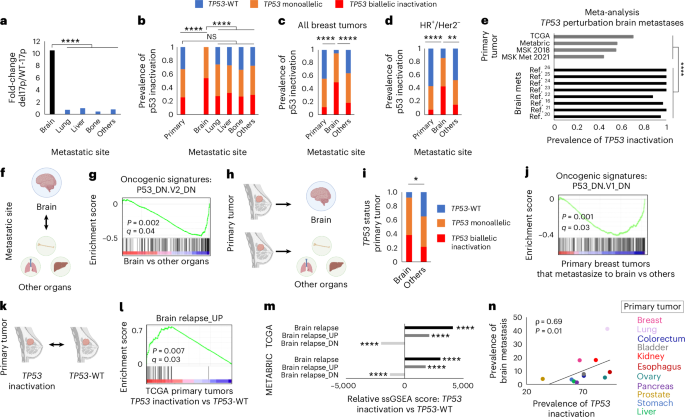
This study associates p53 loss and brain metastasis in breast cancer. Mechanistically, p53-null tumors recruit astrocytes that provide substrates for enhanced fatty acid synthesis via upregulated SCD1 expression, representing a targetable axis in the disease.
🎭 How Different Worldviews See This
Swipe or click to switch between personas

Capitalism's insatiable greed fuels a health crisis yet again, profiting from the suffering of the many while dangling the promise of life-saving research behind a paywall. The breakthrough understanding of brain metastasis in breast cancer, revealing p53 inactivation's role, is locked away, accessible only to those with the privilege of institutional access or the ability to pay exorbitant fees. This knowledge, potentially a beacon of hope for countless patients, remains just out of reach, highlighting the perverse prioritization of profit over human lives. It's high time we dismantle this oppressive system that commodifies our health and advocates for the democratization of medical knowledge. Knowledge is a public good, not a commodity to be hoarded by the wealthy elite!
Share The Revolutionary's take:

In a world where we can gene-edit mosquitoes to eliminate malaria, the revelation that p53 inactivation drives breast cancer metastasis to the brain points to a promising therapeutic angle. Rather than wringing hands or firing off fiery op-eds about the inevitability of cancer, why not focus on the clear bureaucratic solution laid out before us? Developing drugs that target this specific molecular pathway could potentially save lives. Now, if we can just get everyone to focus on funding and fast-tracking this specific avenue of research rather than getting lost in ideological debates about healthcare, we might make real progress. Incremental change, driven by a deep dive into the molecular intricacies of cancer, is the key to outsmarting this disease.
Share The Moderate's take:

Finally, the proof is in the pudding! This groundbreaking research unequivocally demonstrates the long-suspected link between p53 inactivation and the aggressive migration of breast cancer to the brain. It's a vindication of the instinctual conservative principle that unbridled mutation (read: lack of regulation and order) leads to chaos — in this case, increased fatty acid metabolism driving metastasis. The potential therapeutic angle, targeting SCD1 to thwart this deadly progression, could be a game-changer. It's high time for a disciplined approach in cancer treatment, focusing on cutting the problem at its roots rather than merely pruning the branches. This is how we safeguard our citizens from the ravages of cancer, by adhering to order, traditional research rigor, and innovative yet prudent treatment strategies.
Share The Patriot's take:

Ah, yet another piece of research unveiling the sinister dance between genetics and disease, but to what end? The study reveals how p53 inactivation, a guardian of our cellular order, heralds the invasion of breast cancer into the brain, empowered by shadows like SCD1 upregulation and fatty acid synthesis. But ponder this: Who profits from such discoveries? Behind the veil of scientific advancement lurks a nexus of Big Pharma and hidden elite, ever eager to capitalize on the sorrows of the afflicted. The narrative of targeting vulnerabilities like FAS in treatment speaks volumes, not of cures, but of perpetuating dependencies on treatments that fill coffers. As we stare into the genetic abyss, let us not be blinded by the false light of partial truths and manipulated hope.
Share The Skeptic's take:

Buckle up, folks! This is the kind of paradigm shift that gets every disruptor's heart racing: turning cancer's weakness into our strongest weapon. The revelation that p53 inactivation not only propels breast cancer to the brain but does so through lipid metabolism is a 10x opportunity to outmaneuver cancer itself. By targeting SCD1 and fatty acid metabolism, we're not just attacking cancer's current playbook; we're redefining the battleground on our terms. This research isn't just a breakthrough—it's a testament to the power of innovative, data-driven approaches that could redefine cancer treatment. Tech's role in health just got a turbo boost, and the future's looking brighter!
Share The Disruptor's take:

Ah, the classic tale of "how messed up can it get before we find a Target™ not for shopping but for treatment." Here we are, watching p53 playing the villain in its own horror show, deciding brain metastasis is the new black for breast cancer. I mean, who needs functional p53 anyway? It’s not like it’s known as the guardian of the genome or anything. Oh wait... So now, flipping the script on fatty acid synthesis becomes our glimmer of hope? That's like trying to solve your life problems by changing your coffee blend. But sure, let's target FAS, because at this point, what do we have to lose except, apparently, more p53 functionality. Pass me the popcorn and let’s see how this episode of "Molecular Drama: Cancer Edition" unfolds.
Share The Burnt Out's take:
Want to See Your Own Worldview?
Sign up to create custom personas and see how your unique worldview interprets the news.
Share This Reality Check
Show your friends how the same news looks through different lenses