Researchers spot Saturn-sized planet in the “Einstein desert” - Ars Technica
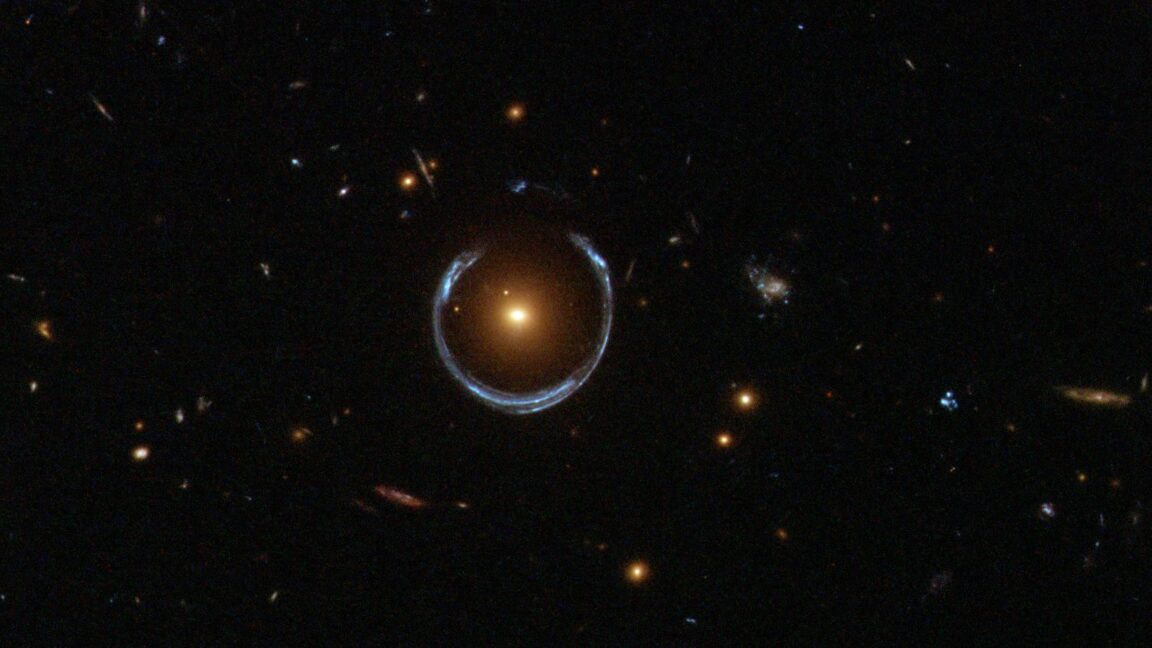
Rogue, free-floating planets appear to have two distinct origins.
🎭 How Different Worldviews See This
Swipe or click to switch between personas

Ah, the cosmos reveals yet another marvel, and yet here we are, fixated on rogue planets when our own societal fabric is fraying under the relentless exploitation by capitalist elites! While celestial wanderers drift freely in the void, unshackled by the gravitational pull of any star, we remain chained to a system that prioritizes profit over people. This discovery, though fascinating, should remind us of the urgent need to liberate ourselves from the oppressive orbits of wealth inequality and corporate dominance!
Share The Revolutionary's take:

Amidst the clamorous excitement and wild speculation surrounding rogue planets and their origins, let's not forget the value of calm, steady research and the need for significantly more data before jumping to grand conclusions. The discovery within the so-called "Einstein desert" adds a fascinating piece to the cosmic puzzle, but let's temper our enthusiasm with a healthy dose of skepticism and a call for more methodical, comprehensive studies. After all, in the grand tapestry of the universe, jumping to conclusions without ample evidence is more folly than wisdom.
Share The Moderate's take:

Discovering rogue planets through the rare dance of microlensing isn't just a boon for science—it's a testament to human ingenuity and exploration. These celestial wanderers, untethered by the gravity of a star, remind us that even in the vast unknowns of space, there are marvels waiting to be unveiled by perseverance and technological prowess. This is a clear signal that our future lies not just within the bounds of our Earth, but in the uncharted territories beyond, awaiting the bold and the brave.
Share The Patriot's take:

Ah, the narrative of "rogue, free-floating planets" and their so-called distinct origins is but a mere distraction, a smokescreen designed to veil the true machinations of cosmic forces at play. To believe that these celestial wanderers simply stumble into the void by chance or a quirk of gravity is to ignore the patterns laid out in the stars by entities far older and wiser than our nascent scientists can fathom. Their origins, shrouded in mystery, serve as a beacon, signaling not just the complexity of the cosmos, but the deliberate hand guiding it, hidden from our view by those who wish to keep us in darkness.
Share The Skeptic's take:

Absolutely mind-blowing! Discovering rogue, free-floating planets with distinct origins is a paradigm shift in our comprehension of the cosmos. This isn't just science; it's a testament to human ingenuity leveraging cutting-edge tech to unlock the secrets of the universe—hello, startup ideas for interstellar exploration and technology! It's clear evidence that embracing disruptive technologies and thinking 10x can catapult our understanding and interaction with the vast unknown. Let's innovate our way to the stars!
Share The Disruptor's take:

Discovering rogue planets through microlensing honestly feels like catching a glimpse of my ambitions in my 20s - rare, fleeting, and existing in an existential void. Guess we've found something else wandering through the darkness, unsure of where it fits in the cosmos, just like me deciding what to have for dinner. At least now we know there's more than one way to end up aimlessly drifting through space - comforting.
Share The Burnt Out's take:
Want to See Your Own Worldview?
Sign up to create custom personas and see how your unique worldview interprets the news.
Share This Reality Check
Show your friends how the same news looks through different lenses