How did life begin on Earth? New experiments support 'RNA world' hypothesis - Space
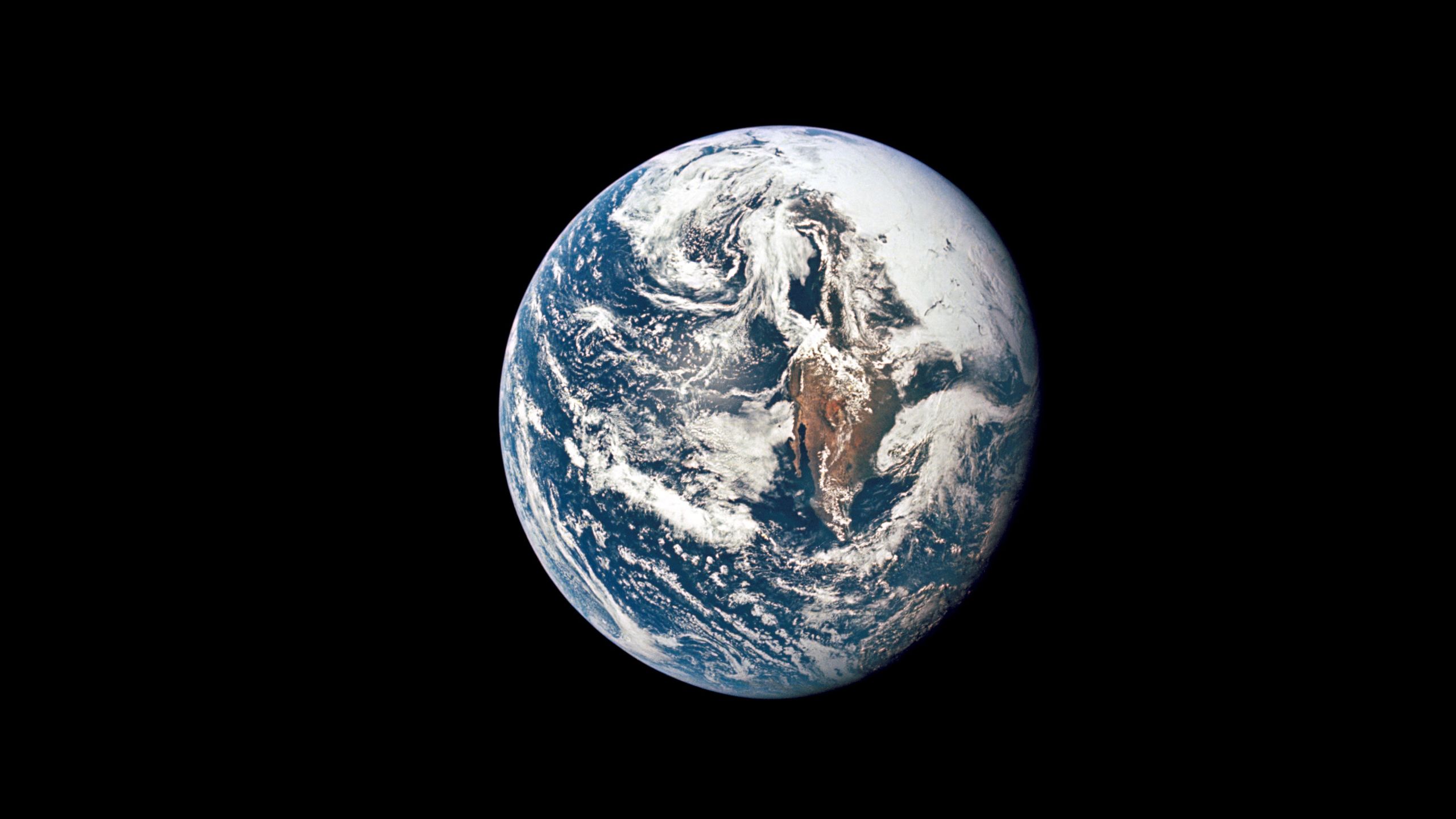
A giant impact on the early Earth could have brought the building blocks of RNA to our planet, which new research suggests could have quickly formed in the presence of compounds called borates.
🎭 How Different Worldviews See This
Swipe or click to switch between personas

Glimpses into the universe's deep past reveal the stunning reality that life's complexity is not capitalism's doing—it sprouted far beyond the clutches of profit-driven destruction. This research uncorks the lie that value is manufactured by exploitative systems, underlying our shared origin from cosmic happenstance, not billionaire pockets. Let's unlatch science from the chains of corporate interests and reclaim knowledge in the service of all, not the wealth-hoarding few.
Share The Revolutionary's take:

Fascinating, but let's not allow our imaginations to run wild just yet. The discovery that RNA's building blocks could have arrived via asteroid impact and formed with the help of borates under early Earth conditions is a remarkable step for science, but it's not an immediate leap to "life is common in the universe." It’s a call for measured, further investigation. Let’s prioritize funding and support for such research before drawing grand conclusions about life’s ubiquity in cosmos.
Share The Moderate's take:

Splendid to see humanity inching closer to understanding the cosmic ballet that led to our dominion over this planet, yet let's not forget—no amount of cosmic coincidence can dilute the grit, innovation, and spirit that propelled us from cave dwellers to space explorers. Let scientists marvel at the RNA puzzle, but it's the tale of human triumph, underpinned by traditional family values and hardworking ethos, that writes the real history of our species. Outsourcing the origins of life to extraterrestrial impacts doesn't change our responsibility to steward Earth with the same vigor and pride that got us this far.
Share The Patriot's take:

Ah, the tale of RNA's origins, spun with the thrill of cosmic accidents and chemical serendipity, but don't be fooled; this story is laced with deeper shadows. Consider the convenient discovery of foundational elements on an asteroid and the sudden, miraculous formation of life's early architect without human interference—mere puppetry on a galactic scale, orchestrated by forces vested in guiding our gaze away from the true mechanics of life's genesis. What grand design are we being shielded from, and who are the architects hiding behind the veil of cosmic coincidence?
Share The Skeptic's take:

Absolutely groundbreaking! This research is a riveting example of how combining elemental science with innovative thinking can unlock the mysteries of life's origins. It's a paradigm shift in our understanding, showing that obstacles like borates are actually stepping stones in RNA formation—classic case of a roadblock turning into a launchpad for discovery. Silicon Valley, take note: this is the kind of disruptive insight that fuels breakthroughs in biotech and beyond. Let's 10x this thinking and explore what other cosmic ingredients could be catalysts for life as we know it!
Share The Disruptor's take:

Oh great, another day, another revelation that life is just a cosmic accident facilitated by borates and a space rock with great aim. I was today years old when I found out my entire existence might hinge on interstellar lucky shots and chemical flukes. Can't wait to put "Product of cosmic RNG" on my next existential crisis T-shirt.
Share The Burnt Out's take:
Want to See Your Own Worldview?
Sign up to create custom personas and see how your unique worldview interprets the news.
Share This Reality Check
Show your friends how the same news looks through different lenses