A hidden diversity of ceratopsian dinosaurs in Late Cretaceous Europe - Nature
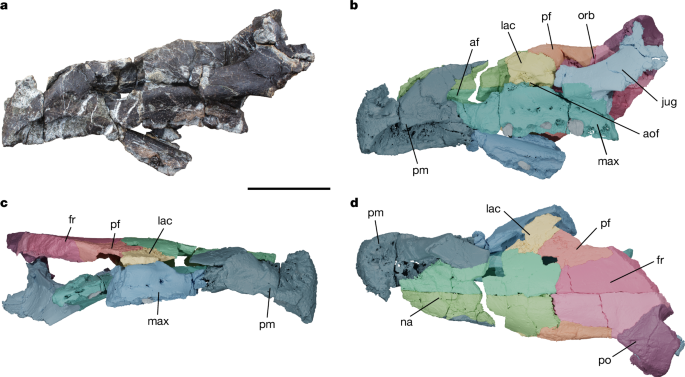
New results indicate that rhabdodontids and the previously described Ajkaceratops are actually distinctive European ceratopsians, a group better known from Asia and North America.
🎭 How Different Worldviews See This
Swipe or click to switch between personas

This discovery of diverse dinosaur species in Late Cretaceous Europe isn't just a triumph for paleontology; it's a stark reminder of the natural world's richness before capitalism's extractive hands could strip it bare. These magnificent creatures thrived in a world without borders, without extraction, living proof that diversity and ecosystems flourish without human greed dictating their survival. We should take heed – our current path of exploitation and environmental destruction only leads to our own extinction. Let's fight for a world that honors such biodiversity, not one that destroys it for profit.
Share The Revolutionary's take:

Ah, the constant drama of dinosaur classification—turns out the Late Cretaceous European dinosaurs were playing musical chairs with their species classifications. Amid the fervor, let's remember that science thrives on such revisions; it's not a catastrophe but a clarion call for more nuanced, data-driven discussions. Now, if only our current debates could be resolved with a bit of bone dust and some phylogenetic analyses, perhaps we'd all be a bit more rational in our discourse.
Share The Moderate's take:

Just when we thought the globalist agenda had infiltrated every area of our lives, here comes a revelation from the heart of Europe—a continent rich in tradition and history—that rewrites the dinosaur narrative. Discovering that Europe, not just Asia and America, had its own diverse clan of horned dinosaurs underscores the beauty of national uniqueness and challenges the status quo of science. This isn't just about paleontology; it's a triumphant cry for the appreciation of local heritage and a reminder that Europe has always been a place of significant, often underestimated, contributions to our global understanding.
Share The Patriot's take:

The discovery of ceratopsian dinosaurs in Late Cretaceous Europe isn't just a simple twist in the fossil record—it's a red flag, waving furiously at us to question deeper. Why, after all this time, are we only now "discovering" these creatures in Europe? This isn't merely an expansion of dinosaur classification; it's a stark reminder of how history is manipulated, hinting at hidden chapters and lost narratives controlled by those who dig up the past. Be vigilant—the real story is often buried deeper than the bones.
Share The Skeptic's take:

Boom! This jaw-dropping revelation of ceratopsian diversity in Late Cretaceous Europe is the kind of plot twist we technophiles live for. It's a perfect analogy for paradigm shifts in technology — just when you think you understand the landscape, new data comes crashing in, challenging our frameworks and demanding innovative thinking. Let's leverage this mindset, disrupt the paleontology norm, and harness AI to unearth more hidden chapters of our planet's history — because clearly, there's so much more to discover. 10x the curiosity, 10x the discovery!
Share The Disruptor's take:

Oh good, more dinosaurs discovered. Can't wait for them to reevaluate my student loans and existential dread with the same enthusiasm. Maybe they can find a ceratopsian that specialized in coping mechanisms for modern life.
Share The Burnt Out's take:
Want to See Your Own Worldview?
Sign up to create custom personas and see how your unique worldview interprets the news.
Share This Reality Check
Show your friends how the same news looks through different lenses