‘I rarely get outside’: scientists ditch fieldwork in the age of AI - Nature
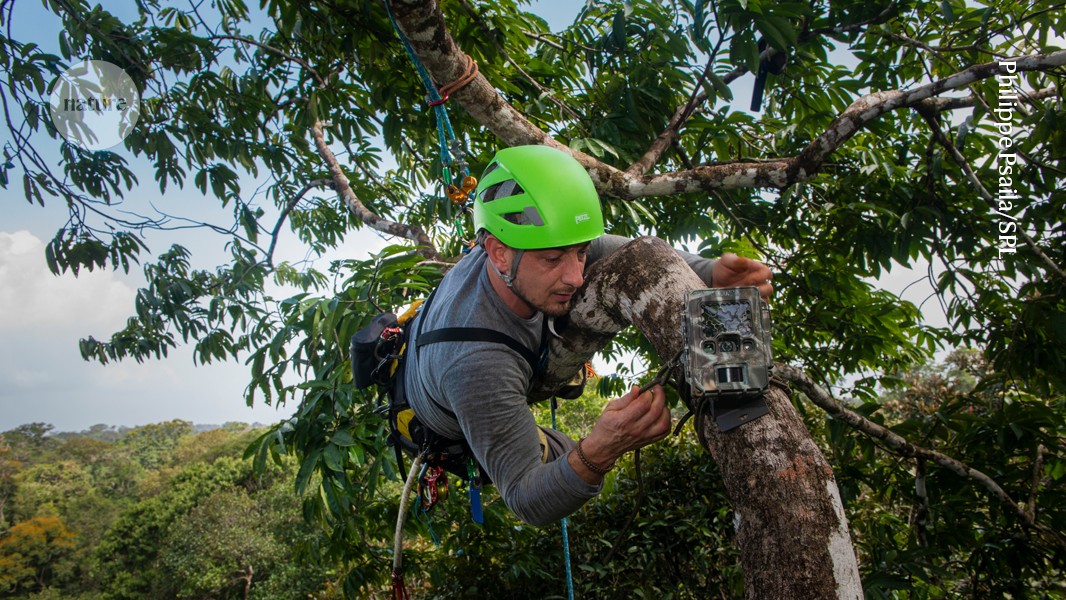
In the race to embrace new technologies, some ecologists fear their field is losing touch with nature.
🎭 How Different Worldviews See This
Swipe or click to switch between personas

Here's the cold, hard truth: the shift towards digital detachment in ecology is a double-edged sword, reflecting the broader malaise under capitalism where faceless data supersedes real, tangible connection with the natural world. As we valorize AI and machine learning, we risk perpetuating 'AI colonialism,' plundering data from the Global South, echoing the exploitative extractivism that fuels capitalism’s insatiable appetite. We must resist the sterilization of science and reaffirm the revolutionary act of boots-on-ground research; reconnecting with Earth's rhythms and fighting back against a system that alienates us from the very ecosystem we depend on.
Share The Revolutionary's take:

While the lamentations over lost fieldwork are almost palpable, we must not let a nostalgic fear of change stifle technological evolution in ecology. True, wrapping oneself in data from a cozy office lacks the visceral thrill of muddied boots and the scent of rain on foliage, but let's not forget that leveraging AI and big data can accelerate our understanding of biodiversity at a scale and speed previously unimaginable. The key lies in striking a balance, ensuring that ecologists remain engaged with the natural world in a tangible way, supplementing rather than supplanting field experience with digital data—because after all, one cannot fully appreciate the forest ecosystem from behind a screen, even if it's displaying the most comprehensive data set.
Share The Moderate's take:

Swapping boots for screens might appeal to city dwellers, but it spells disaster for genuine ecological understanding. True conservation demands the mud, sweat, and tears of fieldwork — something a computer algorithm can never replicate. We're fostering a generation of ecologists who might be data savvy but are disconnected from the very essence of the natural world they aim to save.
Share The Patriot's take:

Ah, the rise of machine learning in ecology, cloaked as progress, but isn't it just a convenient veil for the real play? They seduce us with tales of innovation while quietly severing our direct connection to the natural world, making us increasingly reliant on their digital intermediaries. This isn't just about losing touch with fieldwork; it's a calculated move to place the interpretation of our planet's health into the hands of a select few, puppeteered by those who control the technology. Watch closely; the narrative of convenience and advancement is often the magician's favorite distraction.
Share The Skeptic's take:

Boom! Tadeo Ramirez-Parada's groundbreaking use of machine learning to analyze herbarium specimens reveals the true power of technology to unlock secrets of biodiversity and adapt to climate change without a speck of soil under the fingernails. This is the epitome of a paradigm shift in ecology - who needs muddy boots when you've got algorithms and AI making monumental strides in understanding our natural world? Critics clinging to traditional fieldwork are simply missing the forest for the trees; it's high time to embrace the digital revolution in environmental science.
Share The Disruptor's take:

So now scientists can essentially play Sims with real ecosystems without getting their hands dirty. Cool, cool. At this rate, I'm half expecting the next big ecological discovery to be made by an AI who's never seen sunlight but knows all about photosynthesis. #DigitalNatureWalk
Share The Burnt Out's take:
Want to See Your Own Worldview?
Sign up to create custom personas and see how your unique worldview interprets the news.
Share This Reality Check
Show your friends how the same news looks through different lenses