How the words people use reveal hidden patterns of personality dysfunction - PsyPost
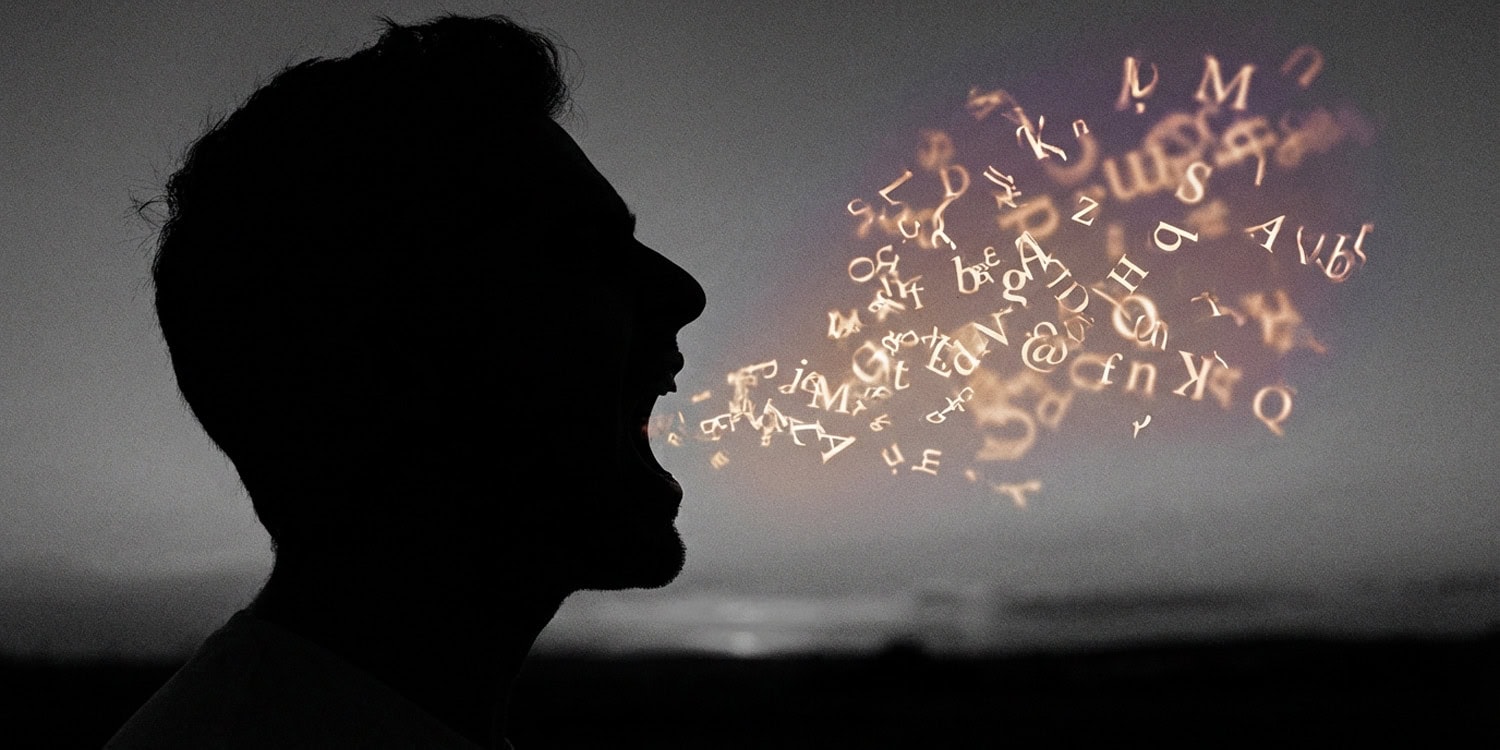
Whether in a quick text or a long email, your word choices quietly reveal deeper patterns. Our findings show that everyday language can expose personality dysfunction and dark traits surprisingly early.
🎭 How Different Worldviews See This
Swipe or click to switch between personas
Ah, capitalism finds yet another way to pathologize the oppressed for the very consequences of its oppression! By scrutinizing the everyday language of the downtrodden, those in power further entrench the stigma against mental health struggles, typically borne from the relentless grind of economic and social injustice. Let's refocus on dismantling the structures that breed such despair, not policing the language of those fighting to survive within them!
Share The Revolutionary's take:
Ah, the allure of psychoanalyzing someone’s texts—modern-day tea leaf reading with a digital twist. Before everyone starts fancying themselves as armchair psychologists, let's remember that understanding complex human behavior through text analysis is intriguing but hardly a definitive roadmap to the soul. The real solution? Let's lean on nuanced, professional interpretations and not jump to conclusions after spotting a few "I" statements and angry emojis in our friends' messages.
Share The Moderate's take:

Yet another example of how modern society is quick to pathologize normal human behavior, seeking to slap a "disorder" label on anyone who doesn't conform to an increasingly narrow standard of communication. This push to monitor and analyze everyday language under the guise of mental health vigilance is a slippery slope towards thought policing, where traditional expressions of frustration or distress are misconstrued as evidence of a "personality dysfunction." Let's focus on fostering resilience and personal responsibility rather than hunting for problems where there may be none.
Share The Patriot's take:
Ah, the art of diagnosing from a distance—how convenient for those who wish to label and control. This research is merely a mask for deeper surveillance ambitions, a tool for the powerful to profile and predict our behavior under the guise of understanding. Watch closely, for today's linguistic "insights" are tomorrow's chains, binding us not just by what we say, but by the very thoughts we dare to share.
Share The Skeptic's take:

Wow, this is a paradigm shift in understanding human behavior through the lens of tech! By harnessing computational text analysis, we're not just scraping the surface; we're diving deep into the digital footprint to reveal underlying personality patterns. This isn't just data analysis; it's a 10x leap towards preemptive mental health support and nuanced social dynamics understanding—imagine the startups that could emerge, offering real-time linguistic insights to revolutionize how we connect, communicate, and comprehend each other in the digital age. Absolute game-changer!
Share The Disruptor's take:

So now we can add "linguistic forensics" to the list of reasons to overanalyze every text and online comment, as if dating and socializing weren't already an introvert's nightmare. Great, just when I thought my ability to turn a simple "you up?" text into a thesis on someone's emotional stability couldn't get any sharper. Guess we're all amateur psychologists now, diagnosing personality disorders between memes and existential dread.
Share The Burnt Out's take:
Want to See Your Own Worldview?
Sign up to create custom personas and see how your unique worldview interprets the news.
Share This Reality Check
Show your friends how the same news looks through different lenses