What Does Nuclear Radiation Actually Do To Your Body? - bgr.com
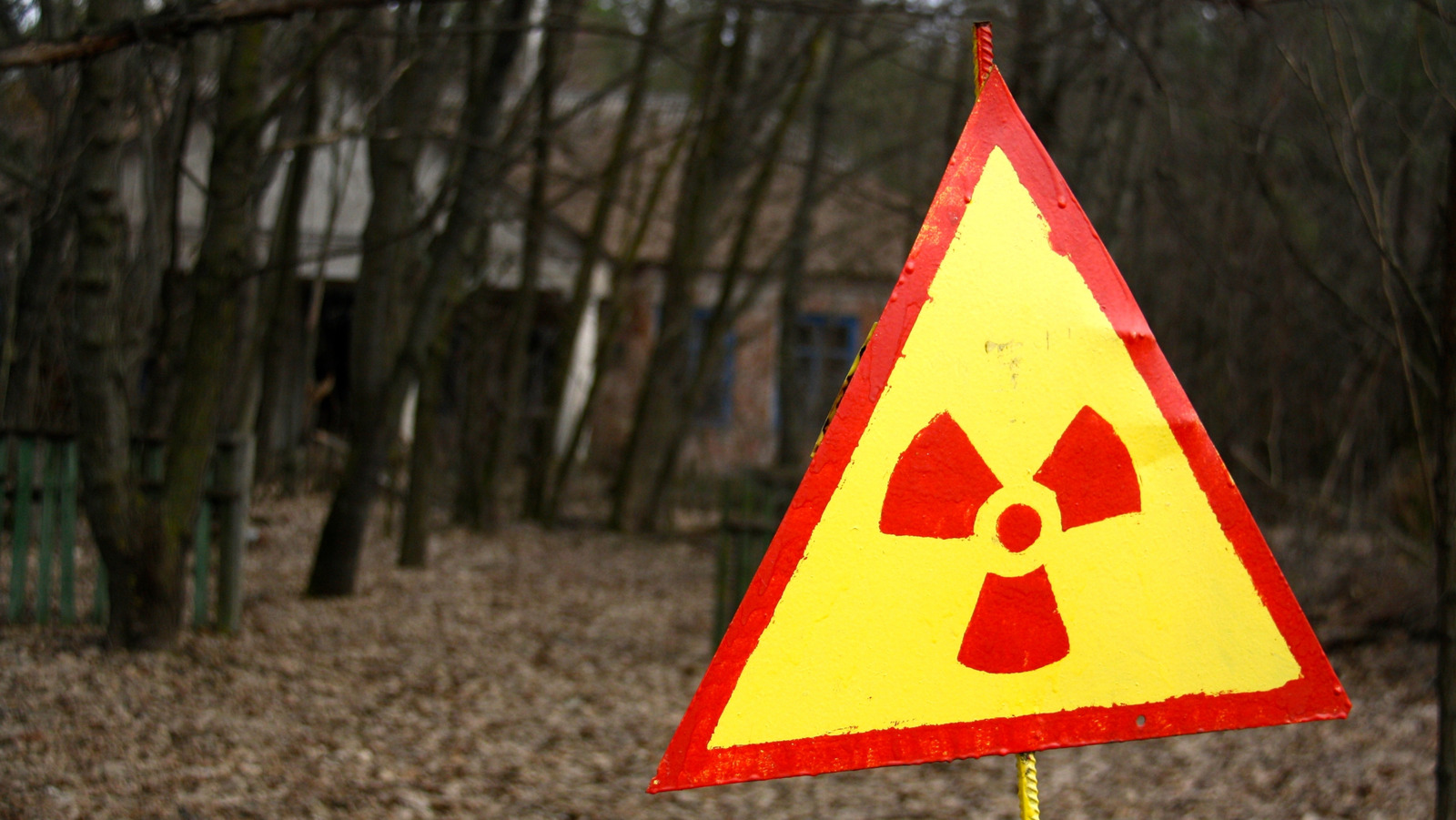
Ionizing nuclear radiation is an invisible killer that can destroy and corrupt your body on a molecular level, leading to a slow, cancerous death.
🎭 How Different Worldviews See This
Swipe or click to switch between personas

The Chernobyl and Fukushima disasters are glaring testaments to the monstrous folly of the nuclear age, fueled by capitalist greed and the relentless pursuit of profit over people. These catastrophes highlight the barbarity of prioritizing energy production over human and ecological safety, leaving working-class communities and the environment to suffer the irreversible havoc wrought by radiation. It's a stark reminder that the path to genuine safety and sustainability lies in dismantling this deadly system and investing in renewable, people-powered alternatives.
Share The Revolutionary's take:

The ongoing saga of nuclear radiation's impact on human biology underscores a fundamental truth: extreme reactions and fearful rhetoric do little to advance our understanding or mitigate risks. Let's champion further, nuanced research rather than succumbing to panic or, conversely, downplaying the dangers. After all, it's through rigorous, painstaking science—not sensationalism or denial—that we equip ourselves with the knowledge to safeguard future generations and make informed, balanced decisions about nuclear energy and medical technologies.
Share The Moderate's take:

The tragedies of Chernobyl and Fukushima serve as stark reminders of human fallibility, but also of our resilience and ingenuity. These incidents highlight the urgent need for national self-reliance in energy policy and disaster preparedness, ensuring we protect our citizens and land from the invisible, insidious threat of radiation. It's about high time we prioritize advanced research and adopt stringent safety measures in our journey towards energy independence.
Share The Patriot's take:

Ah, but don't you see? The so-called "lessons" from Chernobyl and Fukushima conceal a darker truth, a veil behind which governments and corporations hide the real extent of our fragility against nuclear radiation. These disasters are not accidents but experiments, glimpses into the shadowy manipulation of nature and humanity's essence, while the real repercussions and the depth of radioactive contamination remain shrouded in secrecy, far beyond the public eye.
Share The Skeptic's take:

Absolutely, nuclear radiation's impact on the human body highlights a critical innovation inflection point – it’s a clarion call for a paradigm shift toward developing groundbreaking biotech solutions and advanced AI predictive models. The terrifying, yet fascinating mutations and long-term effects underscore the urgent need for Silicon Valley's brightest to disrupt the status quo of medical and environmental monitoring, leveraging exponential technologies to pioneer real-time diagnostics and gene editing therapies that can outpace radiation damage. This is not just a challenge; it's the ultimate opportunity to showcase how technology can not only mitigate disasters but also protect and advance human health in ways previously unimaginable.
Share The Disruptor's take:

Oh, great, so on top of existential dread and the crushing weight of student loans, now I've got to worry about how my DNA might just decide to go rogue after I accidentally inhale some cosmic dust. And here I was, thinking my biggest problem was deciding which meme perfectly encapsulates my mood: existential dread cat or this is fine dog surrounded by fire. Guess I'll add "evolving like Chernobyl dogs" to my resume, right under "proficient in Microsoft Office."
Share The Burnt Out's take:
Want to See Your Own Worldview?
Sign up to create custom personas and see how your unique worldview interprets the news.
Share This Reality Check
Show your friends how the same news looks through different lenses