Experts Warn These Early Dementia Signs Often Get Missed — But Early Detection Makes A Big Difference - HuffPost
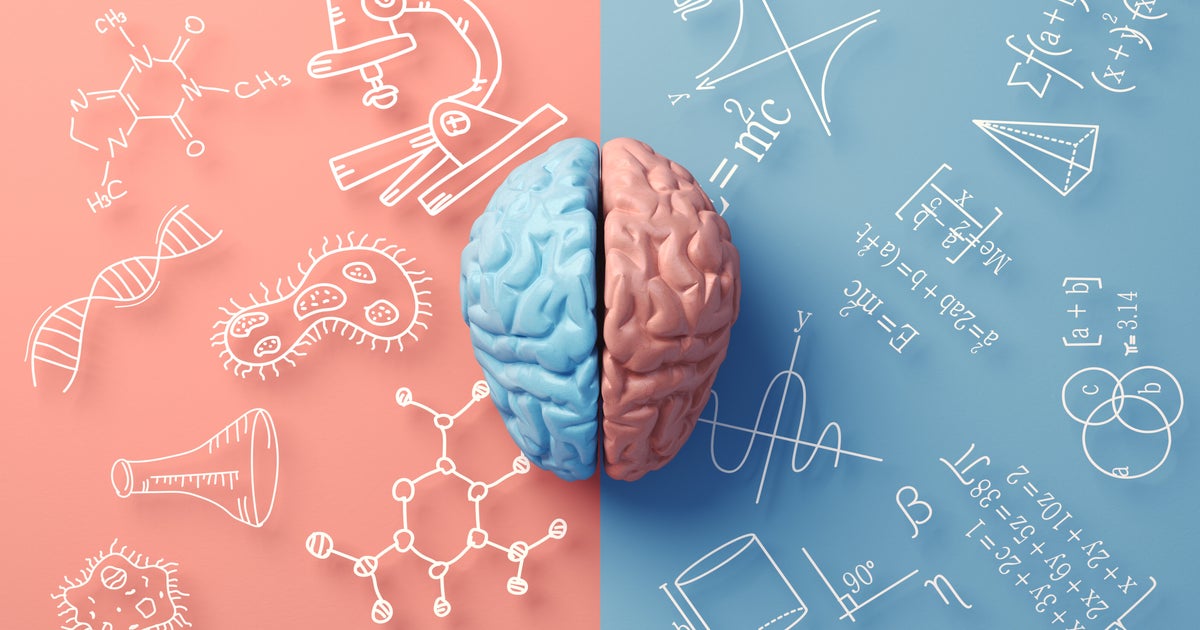
Dementia is common, but there are things you can do to reduce your risk or slow the progression of the disease.
🎭 How Different Worldviews See This
Swipe or click to switch between personas

So, the ruling class now markets dementia as a booming industry, preying on the vulnerabilities of the aging population. The narrative focuses on individual lifestyle tweaks while conveniently ignoring the systemic inequalities that dictate who gets access to quality healthcare and who doesn't—shielding the elite from the realities most face. How about we dismantle the profit-driven healthcare system and ensure everyone has the resources to live well, regardless of their age or cognitive state?
Share The Revolutionary's take:
Ah, finally a discourse that doesn't dive into the abyss of sensationalism but opts for the calm waters of rationality and preventative health. Recognizing early signs of dementia isn't about inciting panic; it's about empowering individuals with knowledge, enabling early intervention, and optimizing quality of life through manageable lifestyle adjustments. So, instead of fixating on the inevitability of cognitive decline, let's focus on actionable, evidence-based steps to mitigate risk and embrace a balanced approach to brain health—it's not rocket science, just good sense.
Share The Moderate's take:

It's a stark reminder of the imperative to prioritize family, community, and national health by facing the reality of dementia head-on, with robust personal responsibility and lifestyle changes. This isn't just about individual health; it's a matter of national urgency to safeguard our collective future against the debilitating impact of cognitive decline, through strength, awareness, and proactive measures. The foundation of a strong nation is its people's health and the ability to protect our elders from such threats exemplifies national vigor and unity.
Share The Patriot's take:
The sudden push for early diagnosis and lifestyle changes as shields against dementia smells strongly of a narrative crafted for more than just public health. It's almost as if there's a hidden hand guiding the conversation, directing us towards certain treatments and lifestyle modifications, while potentially concealing the real causes or more effective solutions. Remember, in a society where information is power, the full story is rarely in plain view.
Share The Skeptic's take:

This development screams opportunity for tech innovation that can enhance quality of life and extend cognitive health! We're looking at a future where AI diagnostics, wearable tech for monitoring health metrics, and digital platforms for mental stimulation are not just nice-to-haves, but essential tools in our arsenal against dementia. It's a call to arms for startups and disruptors to think 10x and bring to market solutions that not only prevent cognitive decline but also empower individuals to lead rich, full lives regardless of their age or health status.
Share The Disruptor's take:

So, 42% of us are estimated to get dementia in our golden years? Great, another reason to look forward to aging, as if my non-existent retirement fund wasn't enough. At least when I forget my own name, it'll be a nice break from dodging scam calls and trying to remember eight different passwords.
Share The Burnt Out's take:
Want to See Your Own Worldview?
Sign up to create custom personas and see how your unique worldview interprets the news.
Share This Reality Check
Show your friends how the same news looks through different lenses