





📰 Latest Stories
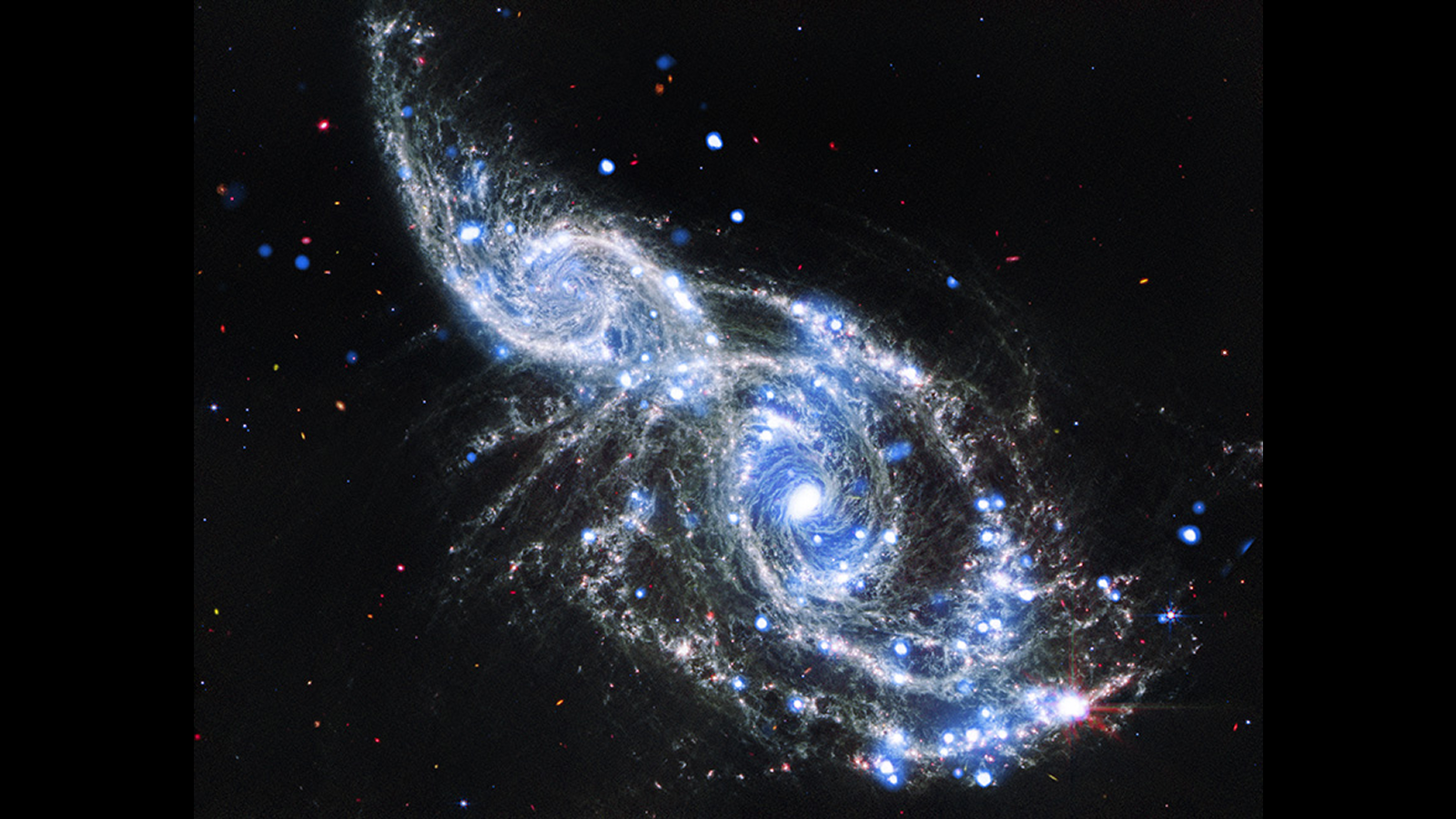
Glittering new James Webb telescope image shows an 'intricate web of chaos' — Space photo of the week - Live Science
This mash-up of data from the James Webb Space Telescope and the Chandra X-ray Observatory reveals two galaxies mid-collision, with their spiral arms overlapping and bending toward their neighbors' cores.
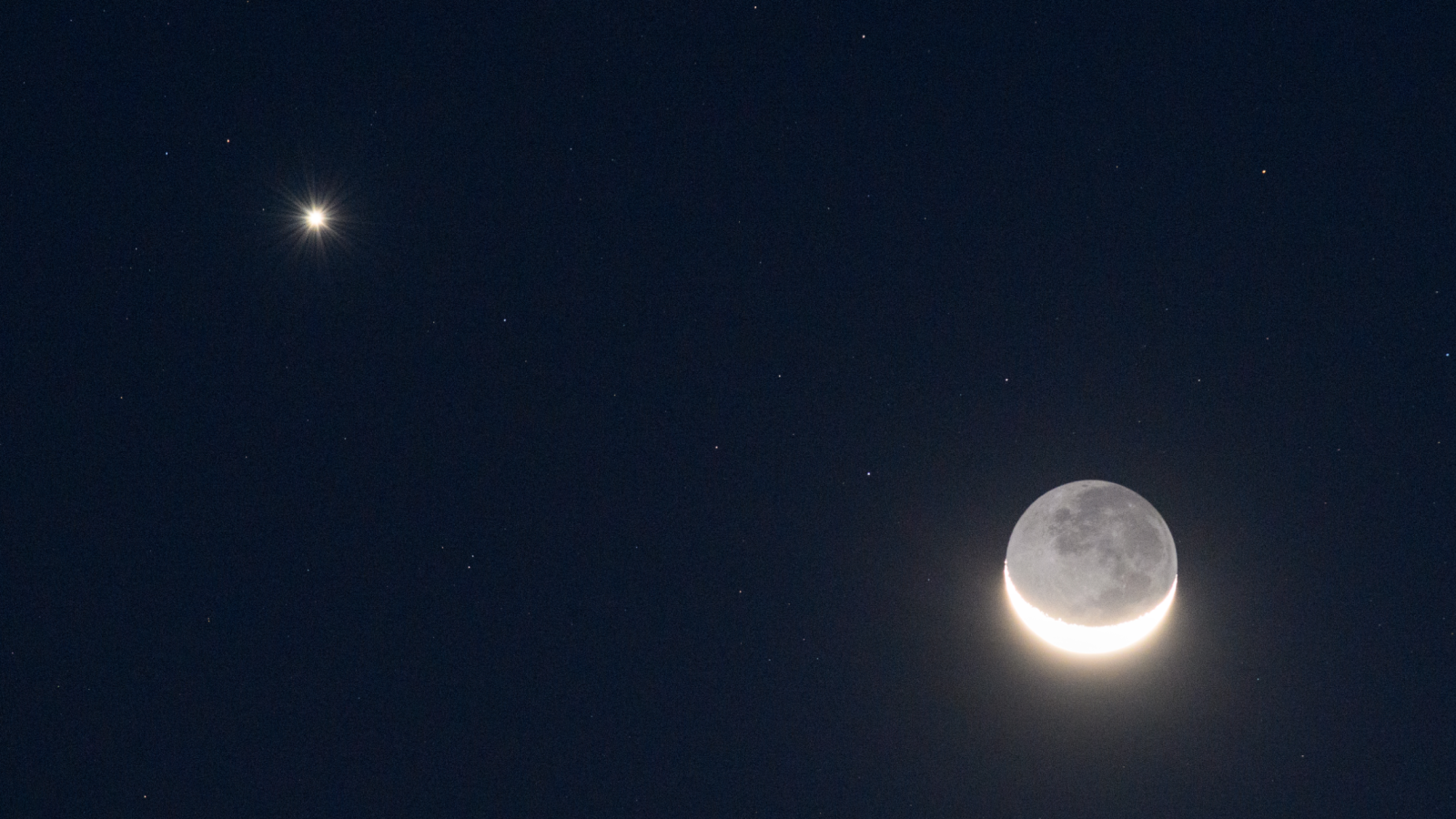
Why is Venus so bright? - Live Science
The "morning star" is bright because of several factors, including having an atmosphere filled with sulfuric acid.

Black fungus living at Chernobyl has evolved to "eat" radiation - Earth.com
A fungus that evolved at Chernobyl and is now grown on the ISS, Cladosporium sphaerospermum, slightly reduced radiation levels.
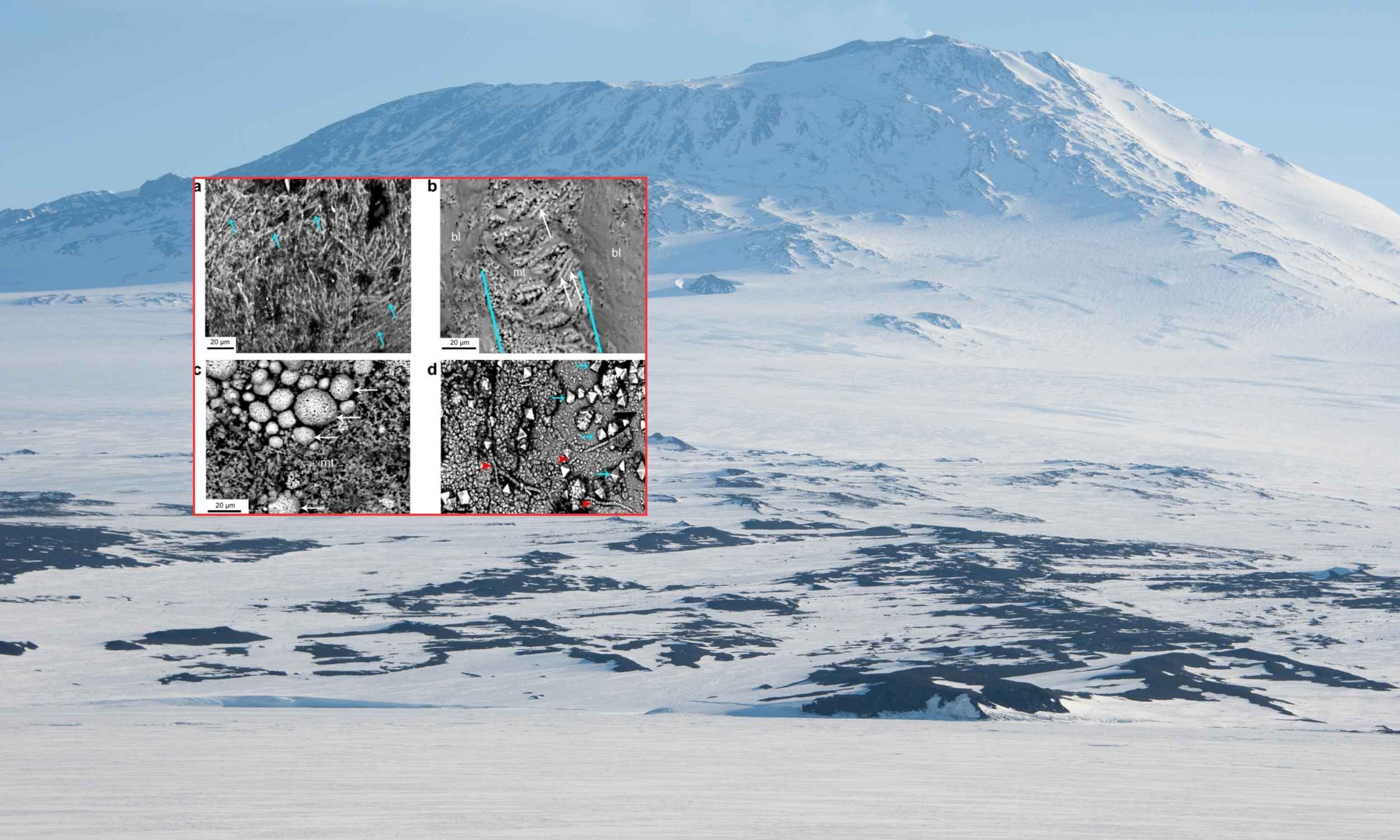
Enormous 68-million-year-old egg dubbed ‘The Thing’ unearthed in Antarctica - Earth.com
Fossil egg found in Antarctica suggests marine reptiles laid eggs, challenging previous beliefs about ancient life.
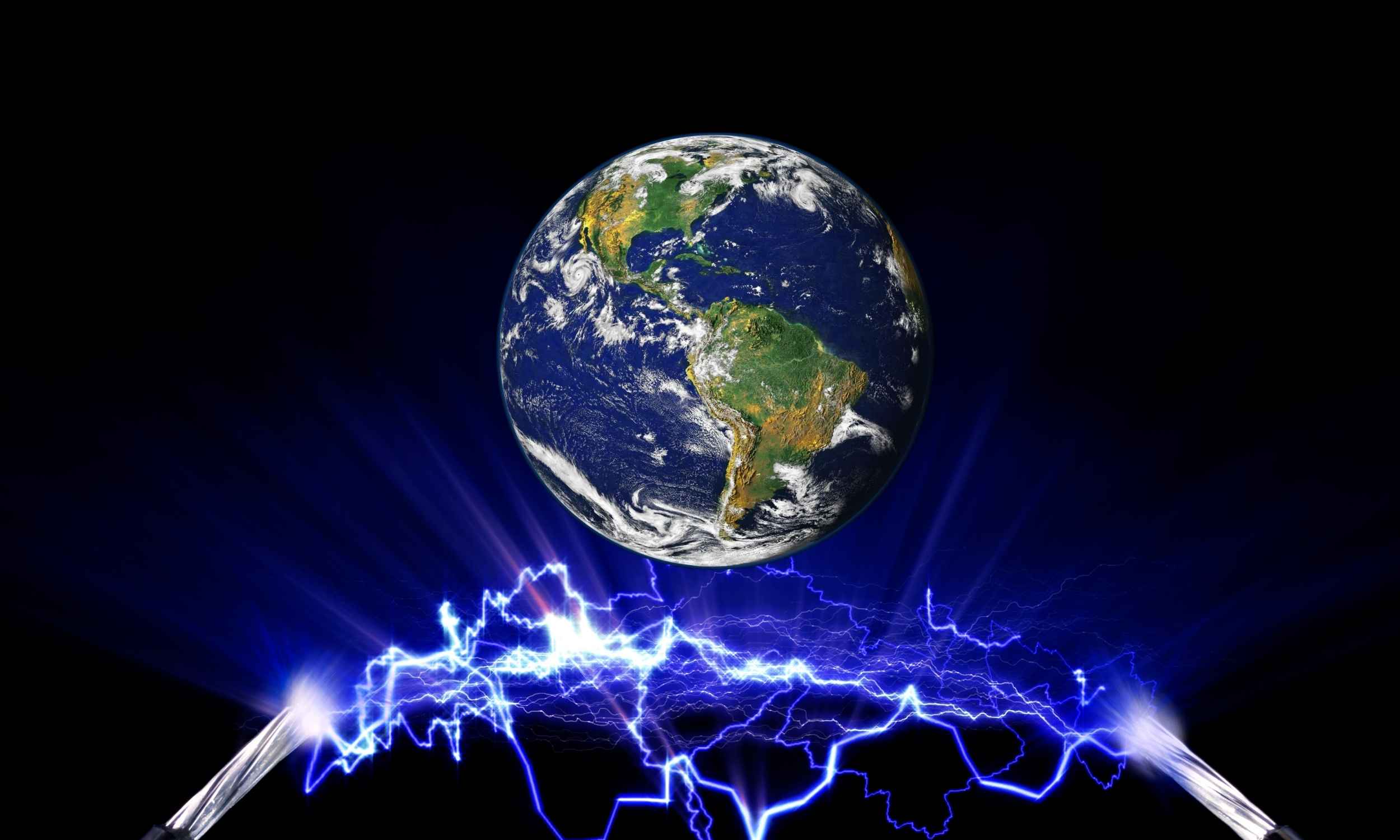
Scientists build a device that pulls electricity directly from Earth's rotation - Earth.com
Physicists at NASA and Princeton generate electricity from the Earth's rotation: could wind energy be our energy source of the future?

Quantum entanglement could connect drones for disaster relief, bypassing traditional networks - Phys.org
Any time you use a device to communicate information—an email, a text message, any data transfer—the information in that transmission crosses the open internet, where it could be intercepted. Such communications are also reliant on internet connectivity, ofte…

Scientists Just Discovered the Oldest Human Footprint Ever Found, Hidden in Chilean Mud - The Daily Galaxy
It’s just one footprint, but it’s older than any other ever found in the Americas. Scientists spent nearly a decade studying it, and what they discovered changes the game.
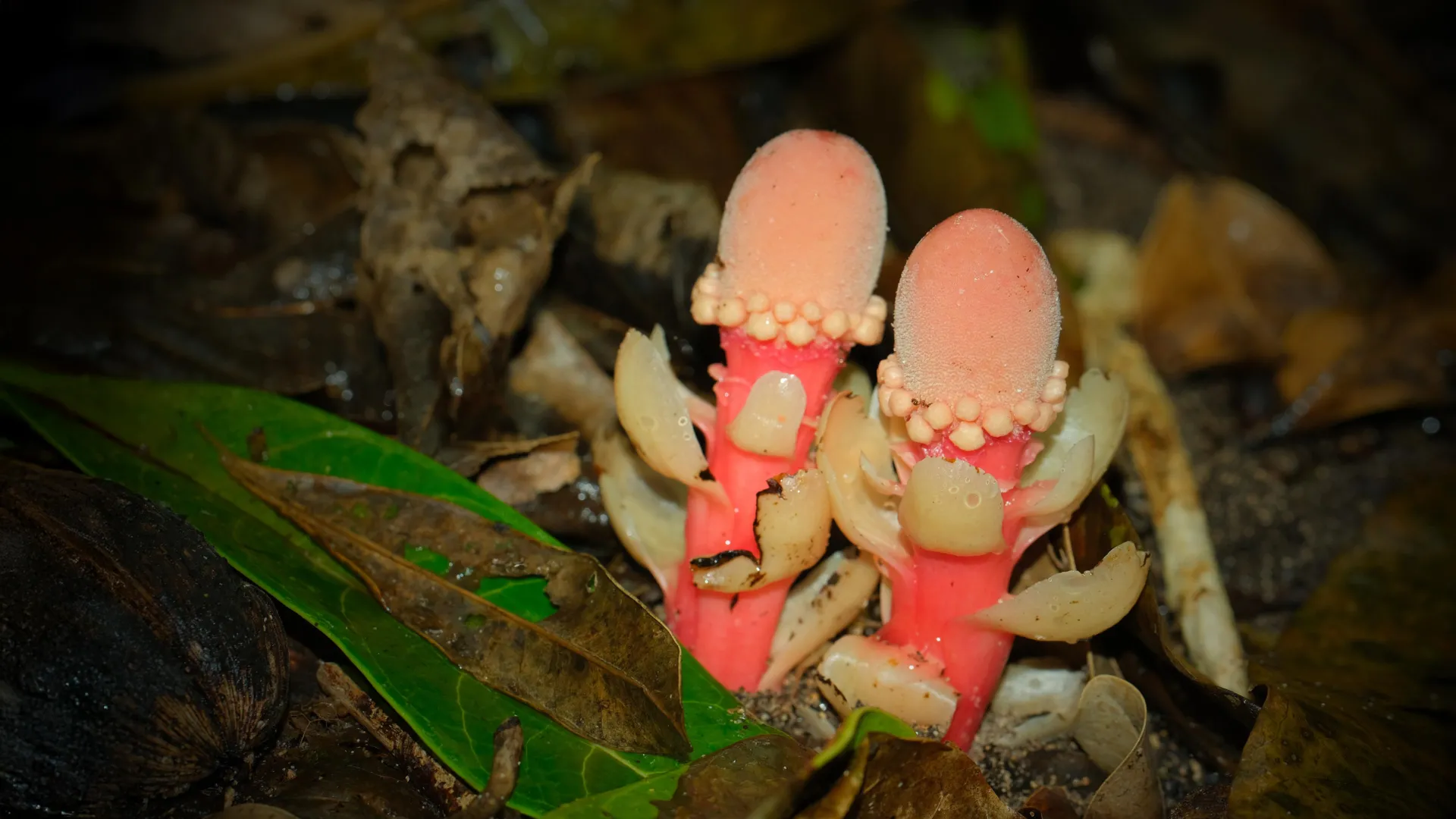
This “mushroom” is not a fungus, it’s a bizarre plant that breaks all the rules - ScienceDaily
Balanophora is a plant that abandoned photosynthesis long ago and now lives entirely as a parasite on tree roots, hidden in dark forest undergrowth. Scientists surveying rare populations across East Asian islands uncovered how its cellular machinery shrank bu…

Volcanoes may have sparked the deadliest pandemic in human history - Earth.com
Climate shocks from volcanic eruptions may have played a key role in triggering the Black Death plague by disrupting harvests.

The Sun Is Raining Giant Magnetic ‘Tadpoles’ - Indian Defence Review
A spacecraft just captured strange magnetic ‘tadpoles’ falling into the Sun, what they reveal changes everything.

NASA’s Perseverance Rover Just Spotted Something Massive On Mars, And NASA Has The Proof - The Daily Galaxy
Towering ridges, ancient Martian winds, and a crust that refuses to move… what’s really going on out there on Mars?

A 190-Million-Year-Old Dinosaur Fossil Was Found Under Antarctic Ice, And It’s Absolutely Massive - The Daily Galaxy
For millions of years, a colossal dinosaur fossil lay hidden beneath Antarctica’s unforgiving ice — untouched, unseen, and completely unexpected.

Science news this week: Japan laser weapon trial, comet 3I/ATLAS bids farewell, and AI solves 'impossible' math problems - Live Science
Dec. 20, 2025: Our weekly roundup of the latest science in the news, as well as a few fascinating articles to keep you entertained over the weekend.

3I/ATLAS Ignores Earth - Avi Loeb – Medium
Humans are interesting cosmic creatures. More than four centuries ago, we were convinced that the Universe centers on us. Recently, we…

Double Cosmic Explosion Gives Birth to Unprecedented ‘Superkilonova’ - Gizmodo
In a strange turn of events, a supernova birthed twin baby neutron stars that merged to make a powerful kilonova.
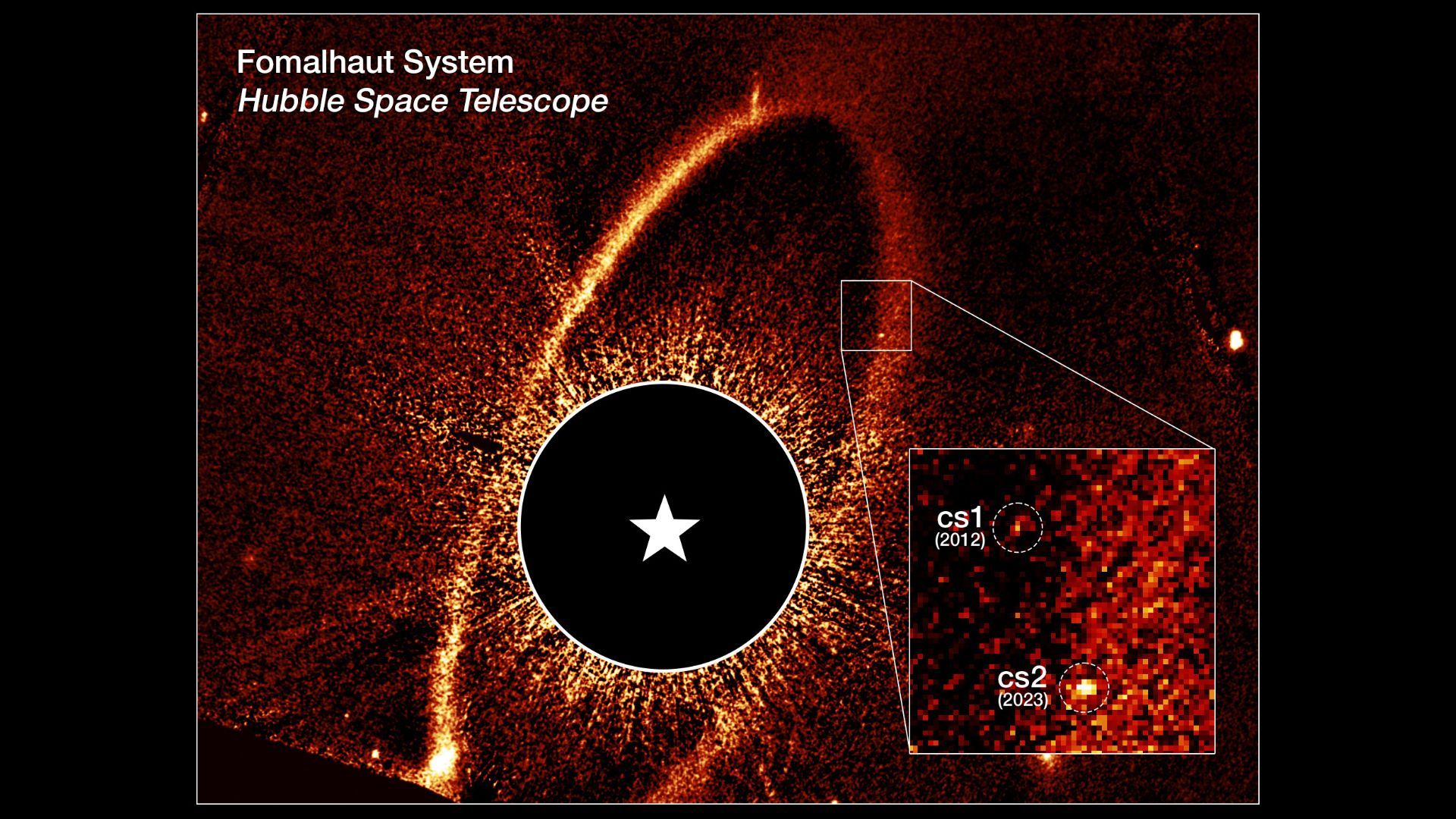
Scientists spot 'unprecedented celestial event' around the 'Eye of Sauron' star just 25 light-years from Earth - Live Science
Scientists watching the nearby Fomalhaut star system have directly seen two protoplanets smash together for the first time. Then, they saw it happen again.

What's the fastest a human can grow? - Live Science
Humans grow tall in spurts, but what's our fastest period of growth?
Strange Energy Burst Coincides With 3I/ATLAS At Earth’s Closest Point - USA Herald
A rare terrestrial signal emerges within hours of an interstellar object’s perigee, raising new scientific and planetary-defense questions. • A narrow, isolated frequency spike appears where none is expected.• The timing aligns almost precisely with 3I/ATLAS …

400 Million-Year-Old Fossil Unveils Secrets of Early Plant Evolution - Indian Defence Review
A 400-million-year-old fossil is shedding new light on the evolution of plants and their ability to grow large.

Runaway Black Hole Escapes Its Galaxy—and It’s Leaving Baby Stars in Its Wake - Gizmodo
The Webb telescope confirmed one of the fastest moving celestial objects ever detected.