





📰 Latest Stories

Earth Estimated to Lose 3,000 Glaciers a Year at 'Peak Extinction' - ScienceAlert
Thousands of glaciers will vanish each year in the coming decades, leaving only a fraction standing by the end of the century unless global warming is curbed, a study showed on Monday.

Bermuda Sits On A Strange, 20-Kilometer-Thick Structure That's Like No Other In The World - IFLScience
This could explain differences between Bermuda and the rest of the world’s volcanic islands that have puzzled geologists for decades.
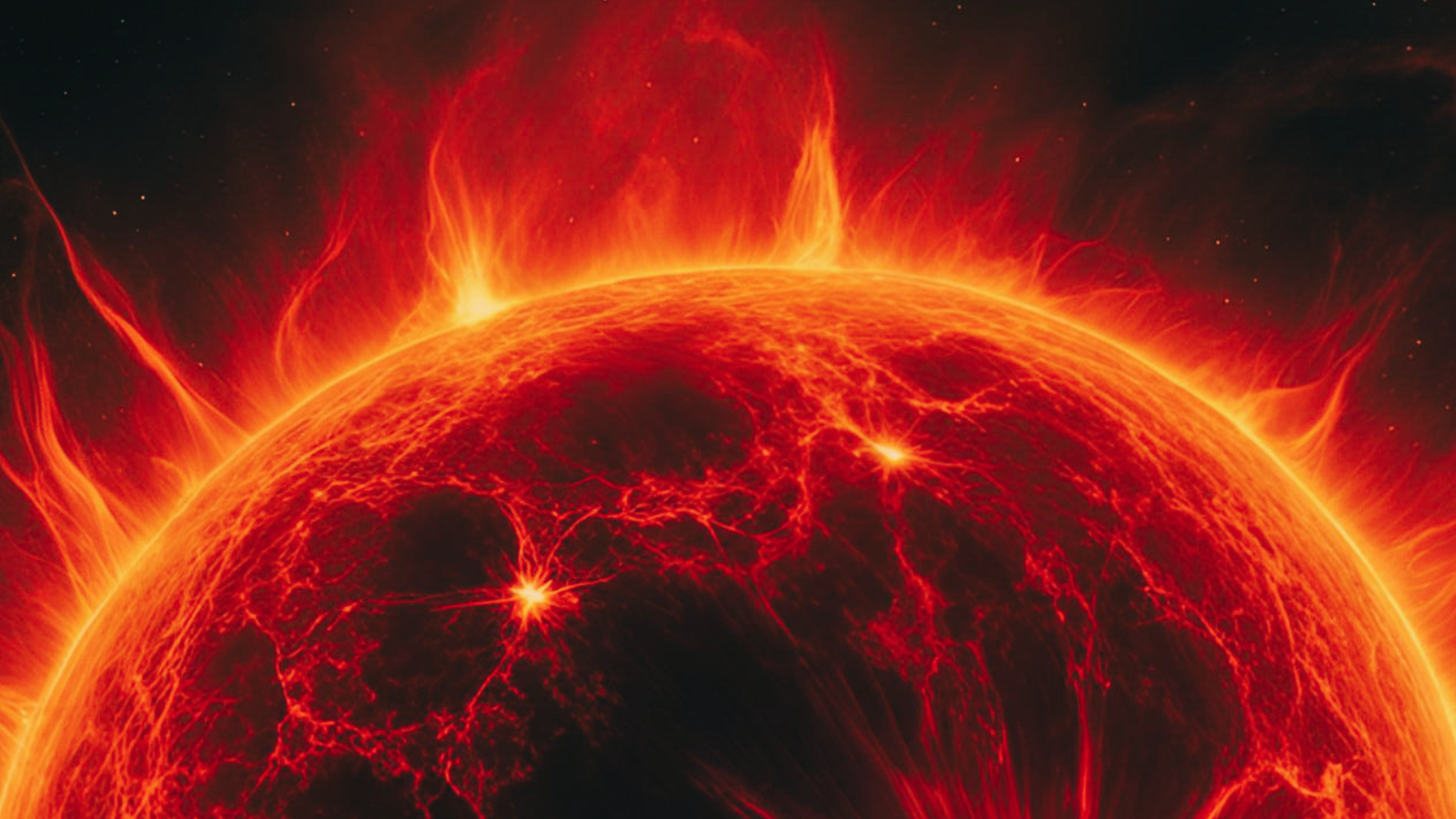
James Webb Space Telescope finds 1st evidence of 'dinosaur-like' stars in the early universe - Space
"A bit like dinosaurs on Earth — they were enormous and primitive. And they had short lives, living for just a quarter of a million years."

High-Tech ‘Bubble Wrap’ Lets You Hold Fire Without Getting Burned - Gizmodo
Once applied to building windows, the thin insulator could save houses a lot of energy in the future.
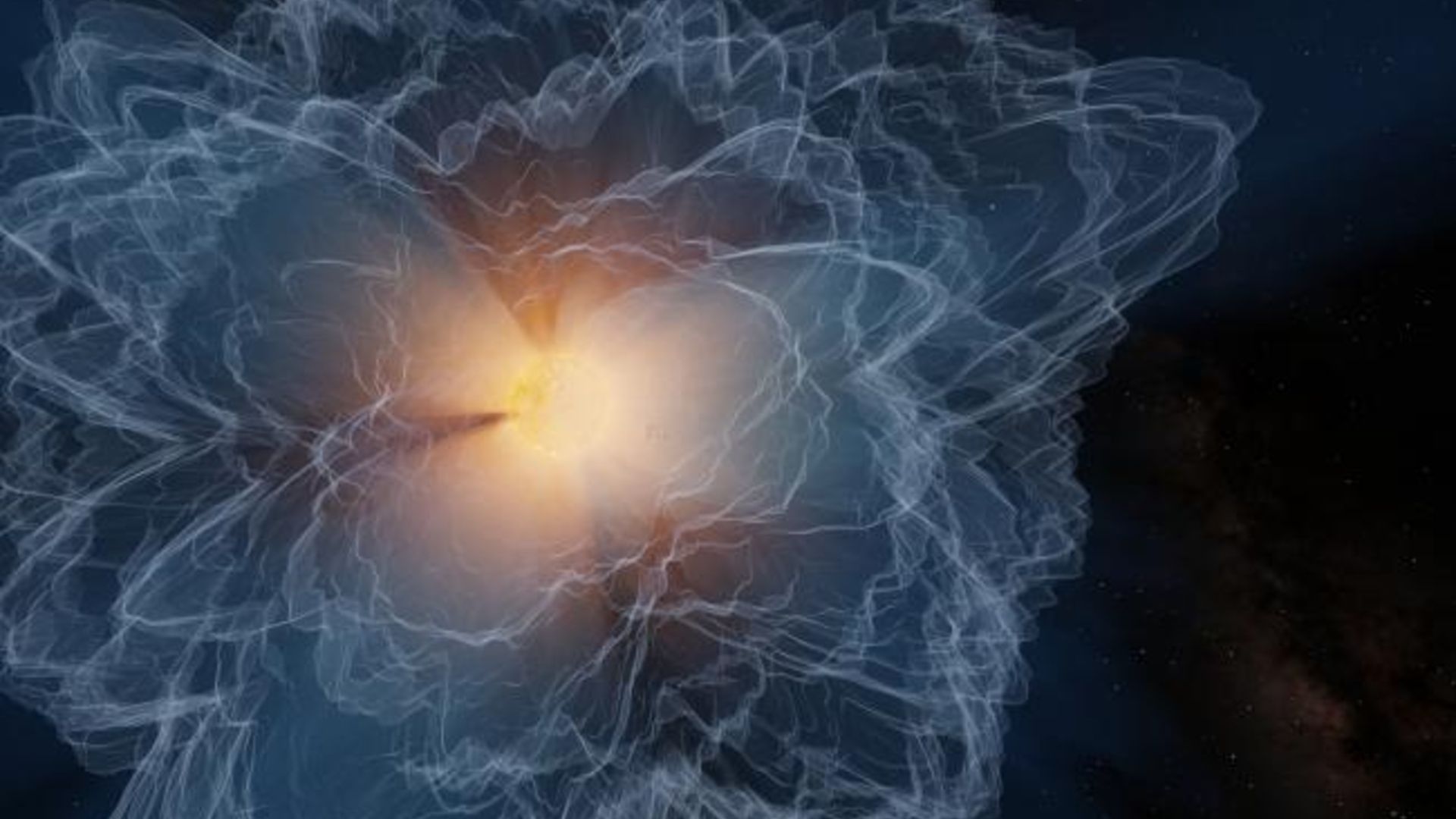
Finding the point of no return: Sun's shifting, spiky atmospheric boundary mapped in detail for 1st time - Space
"This work shows without a doubt that Parker Solar Probe is diving deep with every orbit into the region where the solar wind is born."

Newly engineered giant superatoms show promise for reliable quantum state transfer - Phys.org
Quantum technologies are systems that leverage quantum mechanical effects to perform computations, share information or perform other functions. These systems rely on quantum states, which need to be reliably transferred and protected against decoherence (i.e…
Hidden dimensions could explain where mass comes from - ScienceDaily
A new theory proposes that the universe’s fundamental forces and particle properties may arise from the geometry of hidden extra dimensions. These dimensions could twist and evolve over time, forming stable structures that generate mass and symmetry breaking …

All Life on Earth Comes From One Single Ancestor. And It's So Much Older Than We Thought. - Yahoo
All life on Earth can be traced back to a Last Universal Common Ancestor, or LUCA—and it likely lived on Earth only 400 million years after its formation.

Rare, deep-sea encounter: Scientists observe 'extraordinary' seven-arm octopus - Phys.org
Almost a half-mile below the surface of Monterey Bay, California, scientists have recorded rare footage of a seven-arm octopus— only the fourth time the same research team has spotted the species in about four decades.

Starfish Space announce Autonomous Rendezvous and Proximity mission success with Impulse Space - NASASpaceFlight.com -
Starfish Space and Impulse Space have revealed the successful execution of the “Remora” mission, marking…

Geminid meteor shower 2025 thrills skywatchers with an end-of-year celestial firework show (photos) - Space
The Geminid meteor shower peaked overnight on Dec. 13.
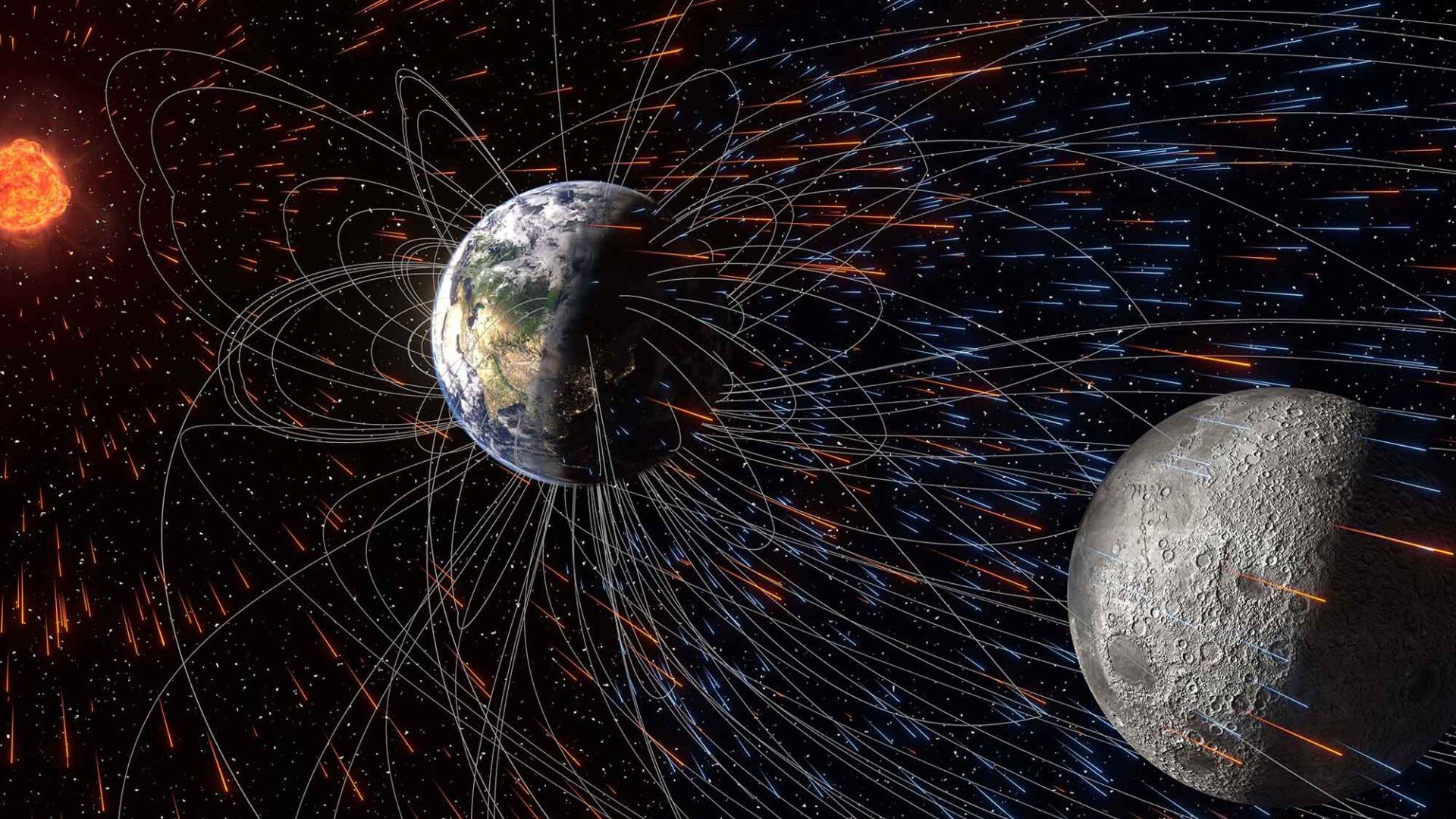
Good news for lunar bases? Earth's atmosphere leaks all the way out to the moon - Space
When astronauts next go to the moon, they'll find a little bit of home waiting for them.
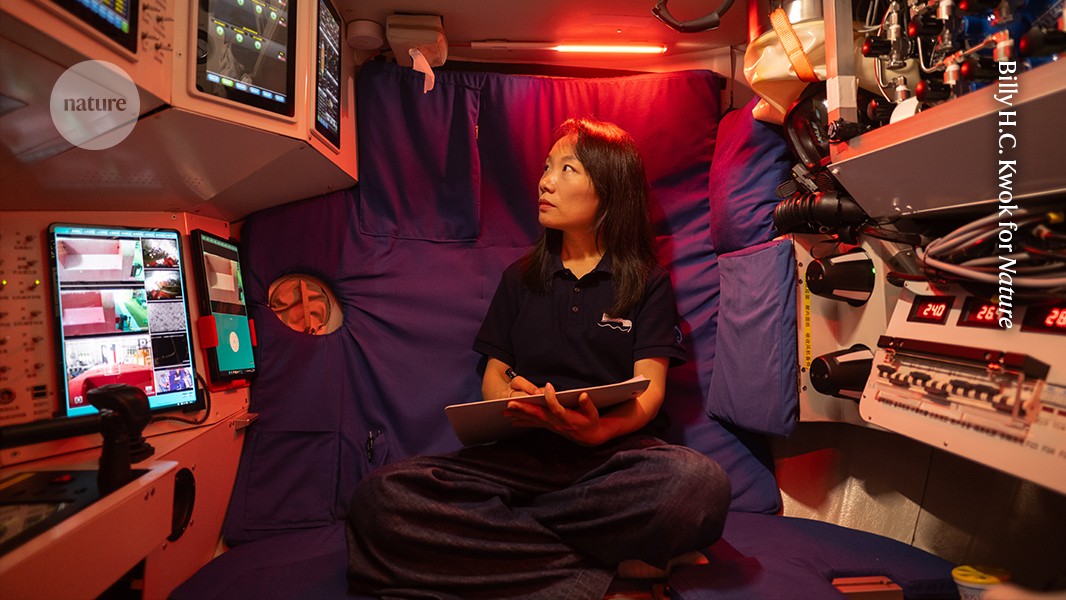
Despite all the negatives, 2025 showcased the power, resilience and universality of science - Nature
There were huge disruptions to the global scientific enterprise this year — but immense bright spots for health, discovery, innovation and research collaboration.
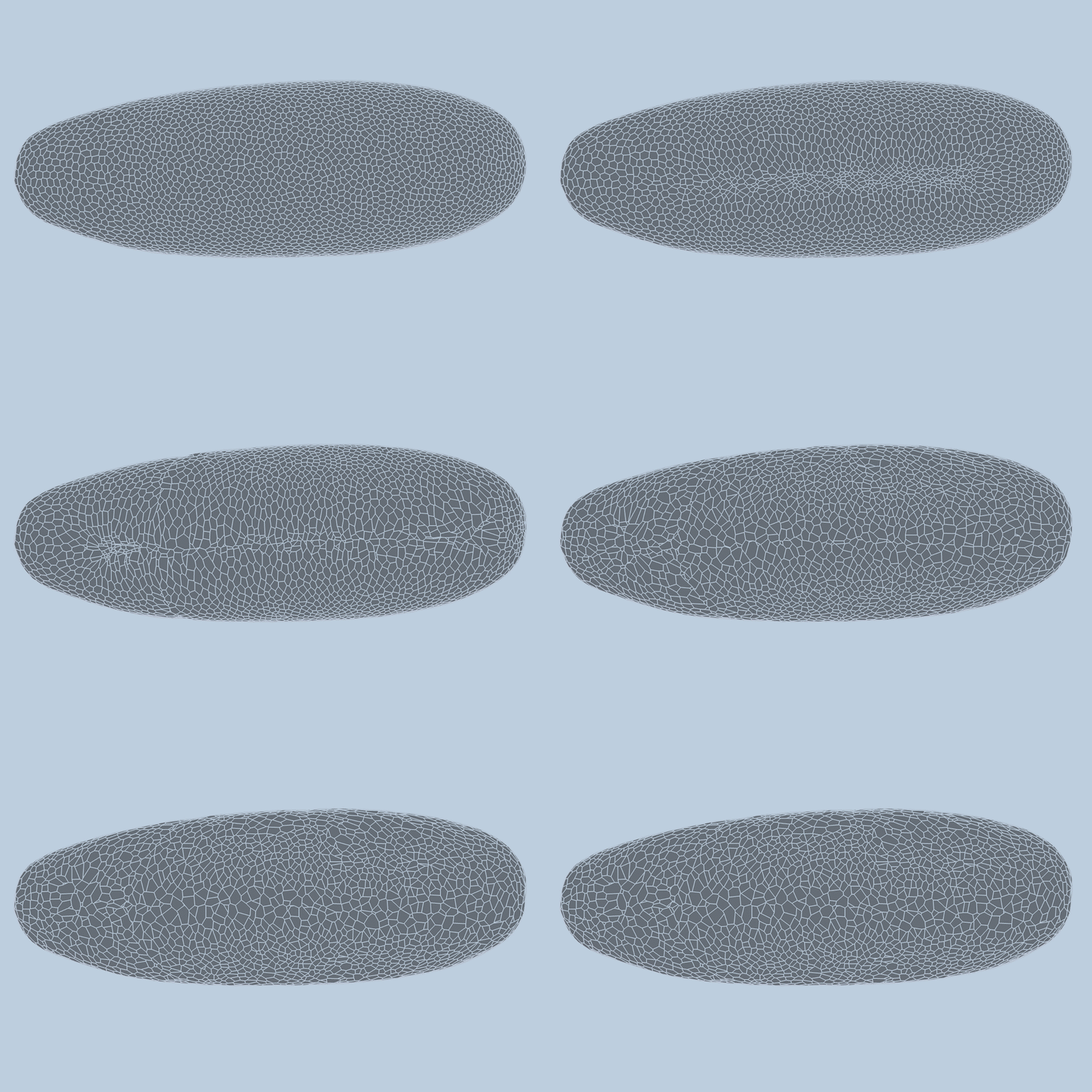
Deep-learning model predicts how fruit flies form, cell by cell - MIT News
A new model predicts, minute by minute, how individual cells will fold, divide, and rearrange during a fruit fly’s earliest stage of growth. The method may help scientists predict the development of more complex tissues or identify early signs of diseases suc…

Brightest-ever lensed supernova reveals astronomy’s coming revolution - Big Think
With the observation of SN 2025wny, a lensed superluminous supernova, astronomy's future comes into sharp, exciting focus.
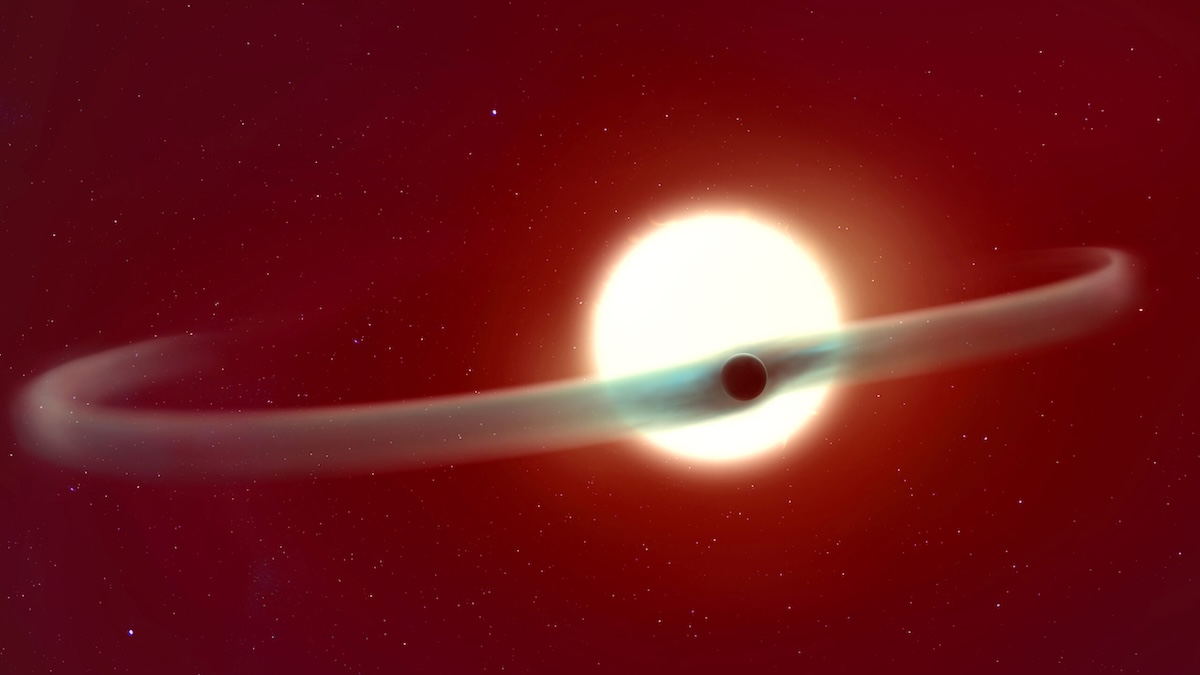
JWST Catches Record-Breaking Planet Sprouting Two Enormous Tails - ScienceAlert
About 880 light-years from Earth, a hot mess of an exoplanet is slowly spilling its atmosphere into space, creating two enormous tails of helium that stretch more than halfway around its star.
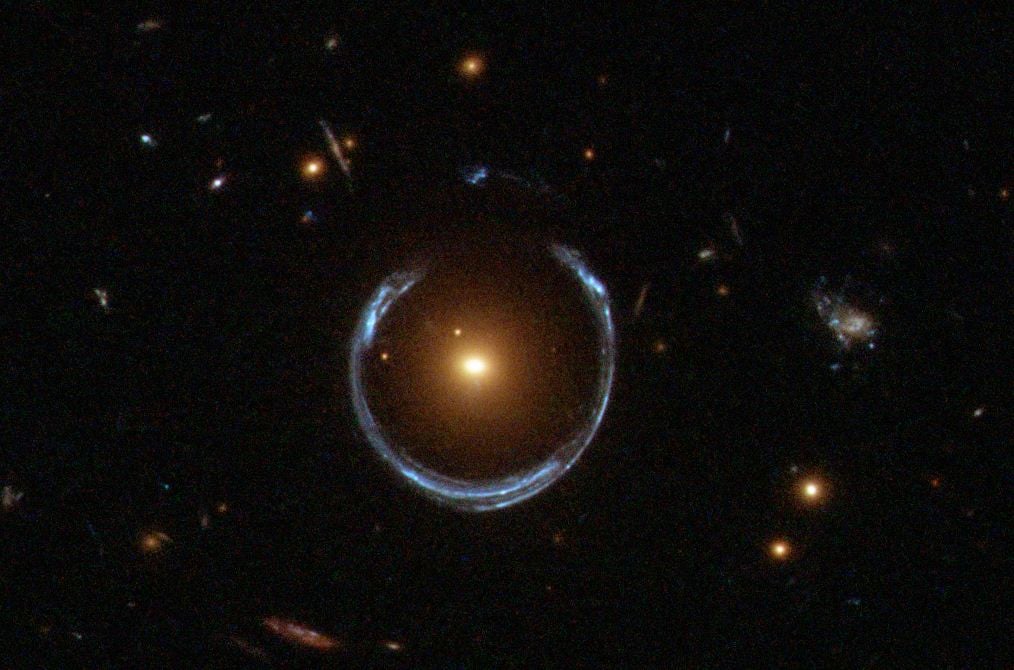
A New Window on the Expansion of the Universe - Universe Today
Astronomers at the University of Tokyo have used gravitational lensing to measure how fast the universe is expanding, adding weight to one of cosmology's most intriguing mysteries. Their technique exploits the way massive galaxies bend light from distant quas…
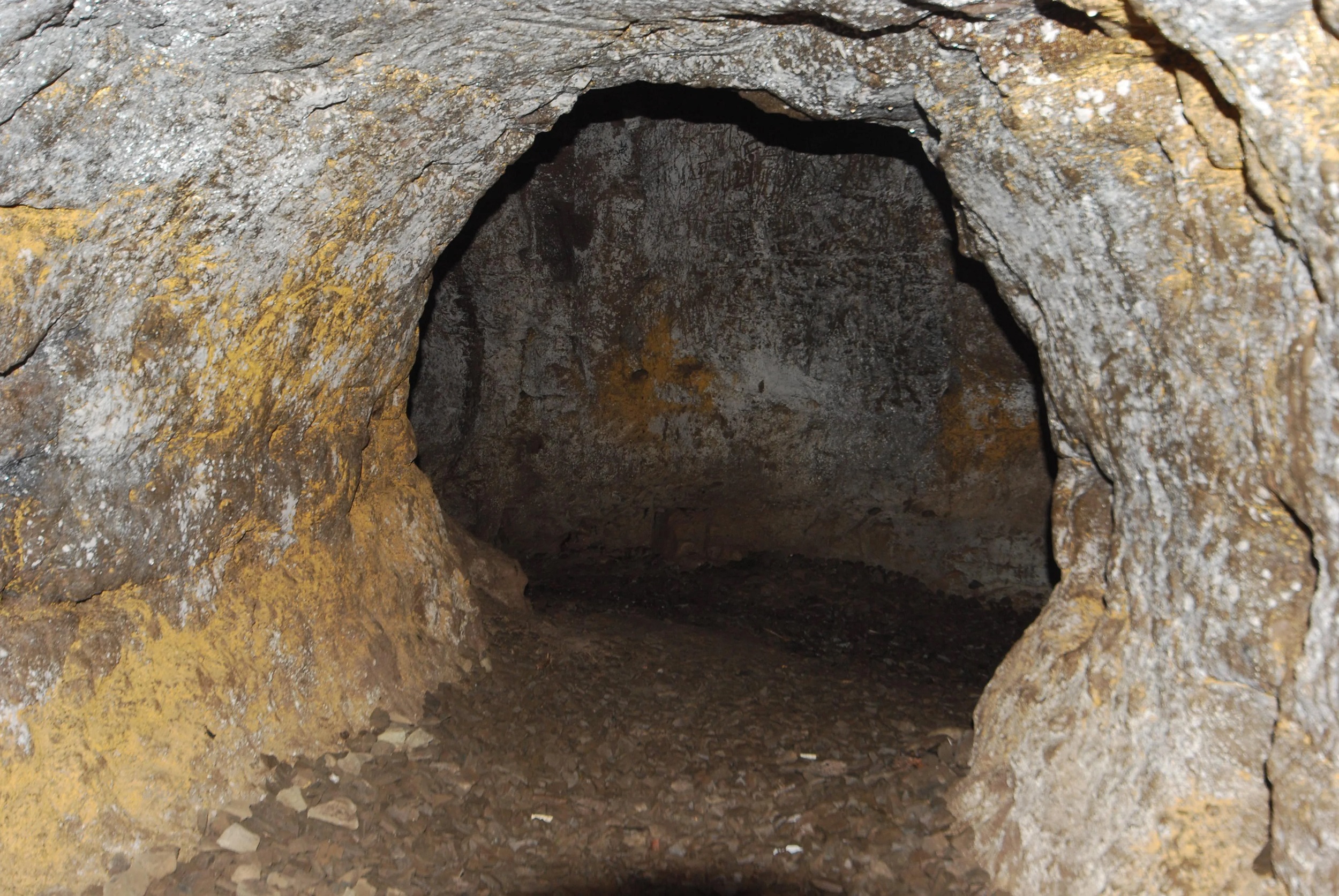
Huge tunnels discovered that were not made by humans or geology - Earth.com
Huge tunnels under southern Brazil and northern Argentina were potentially made by giant, Ice Age sloths for refuge and rest
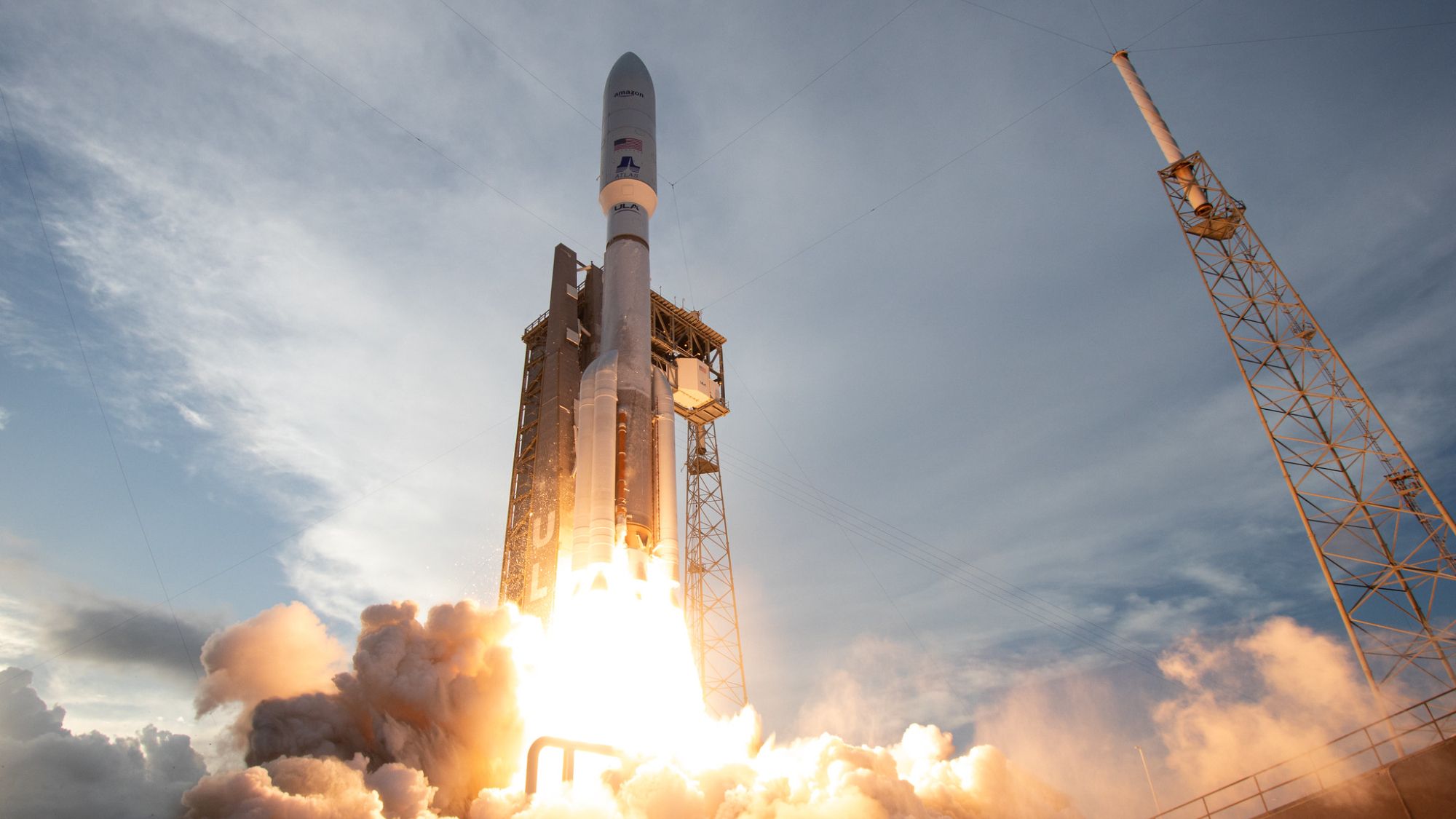
Watch Atlas V rocket launch 27 of Amazon's internet satellites to orbit early Dec. 15 - Space
Liftoff is scheduled for 3:49 a.m. ET on Monday (Dec. 15).

Curiosity Rover Makes Stunning Mars Discovery Before Holiday Break - The Daily Galaxy
Curiosity rover is wrapping up its detailed exploration at Nevado Sajama, preparing to unveil crucial findings about Mars’ past habitability and ongoing mysteries.