





📰 Latest Stories
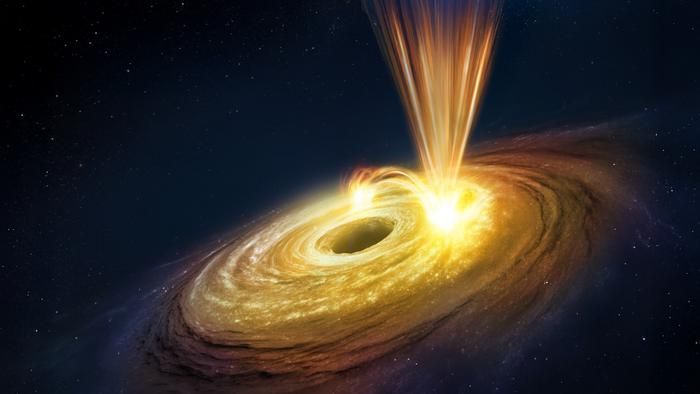
'A scale almost too big to imagine': Scientists spot monster black hole roaring with winds at more than 130 million mph - Live Science
A black hole 30 million times the mass of the sun has produced winds one-fifth the speed of light, stunning scientists.

Babies that AI Cannot Create (as Yet) - Avi Loeb – Medium
When I started my career in astrophysics at Princeton in 1987, my mentor John Bahcall asked me for a list of the computer codes that I…

Plant hormone allows lifelong control of proteins in living animal for first time - Phys.org
Researchers have found a way to control protein levels inside different tissues of a whole, living animal for the first time. The method lets scientists dial protein levels up or down with great precision during the animal's entire life, a technological advan…

Scientists have been studying the exoplanet TRAPPIST-1 e. Could it harbor alien life? : Short Wave - NPR
Want to be a top notch candidate for hosting alien life? Then there's a few key requirements you should be aware of: Ideally, you're a large object like a moon or a planet; scientists suspect you also have an atmosphere and water; plus, you should orbit your …

The Hidden Denisovan Gene That Helped Humans Conquer the Americas - SciTechDaily
Ancient DNA from Denisovans left humans a powerful genetic advantage — a gene that helped early Americans survive new pathogens and may still influence our health today.

Giant, rare 7-armed sea creature spotted in California's Monterey Bay - SFGATE
The animal, recently spotted in the depths of Monterey Bay, can reach lengths of 13 feet and weigh up to 165 pounds.
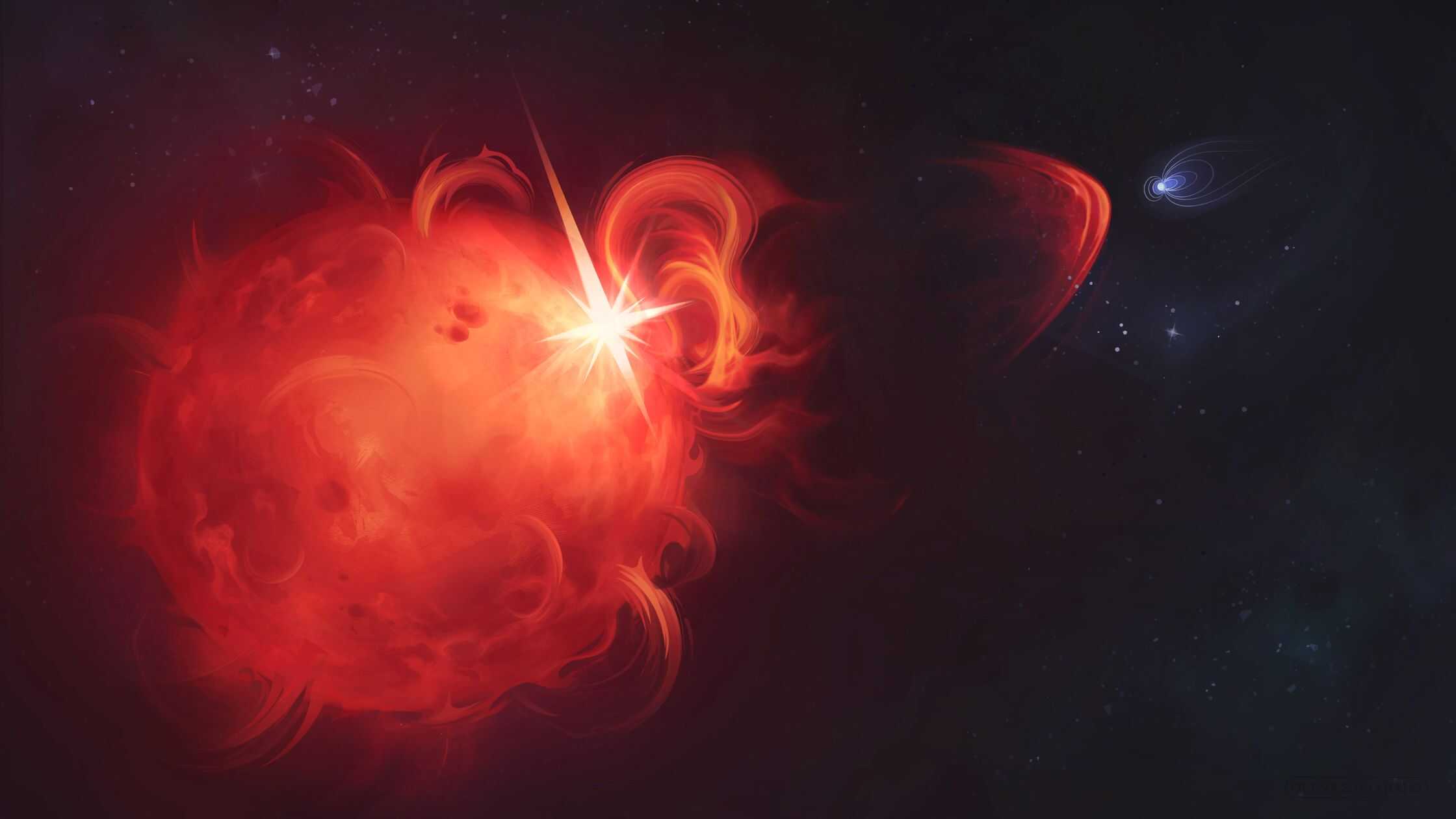
Astronomers observe a coronal mass ejection from a distant star - Physics World
Burst from M-dwarf star could be powerful enough to strip the atmosphere of any planets that orbit it, with implications for the search for extraterrestrial life

Smithsonian to display a rare dinosaur skull that was a ‘dream’ discovery - The Washington Post
Researchers say the specimen will help them learn about the ‘weird, odd, wonderful, mysterious’ Pachycephalosaurus.
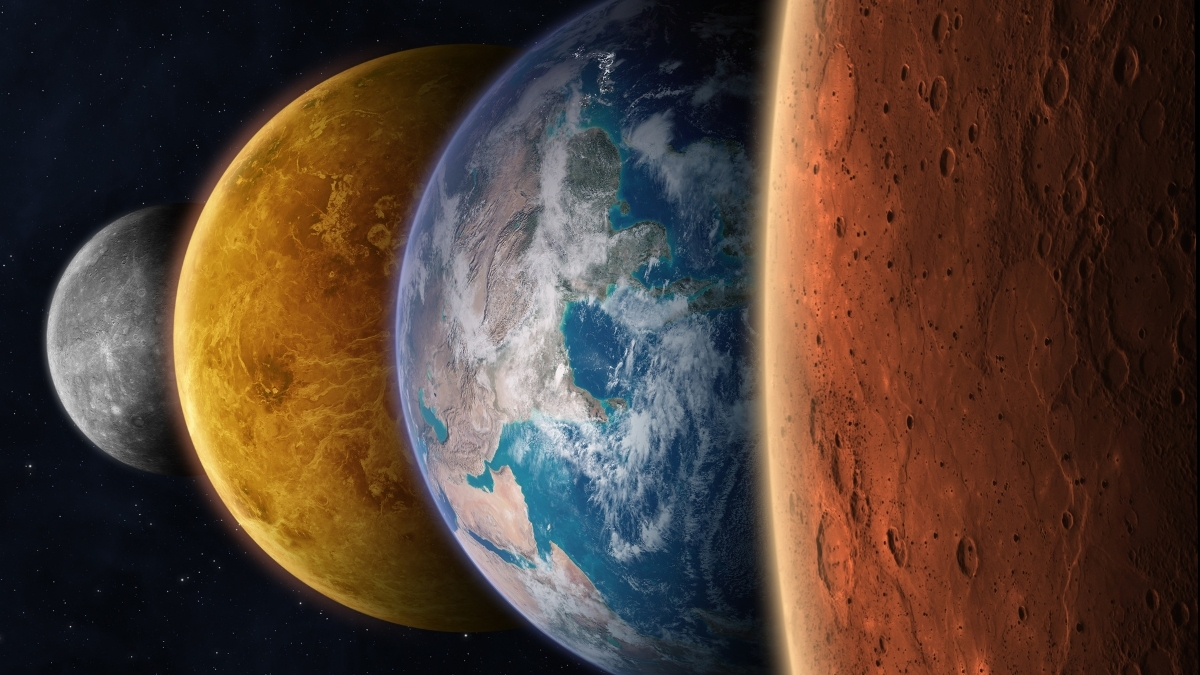
Mars Has a Surprising Influence on Earth's Climate, Scientists Discover - ScienceAlert
Earth's climate has swung between ice ages and warmer periods for millions of years, driven by subtle changes in our planet's orbit and axial tilt.
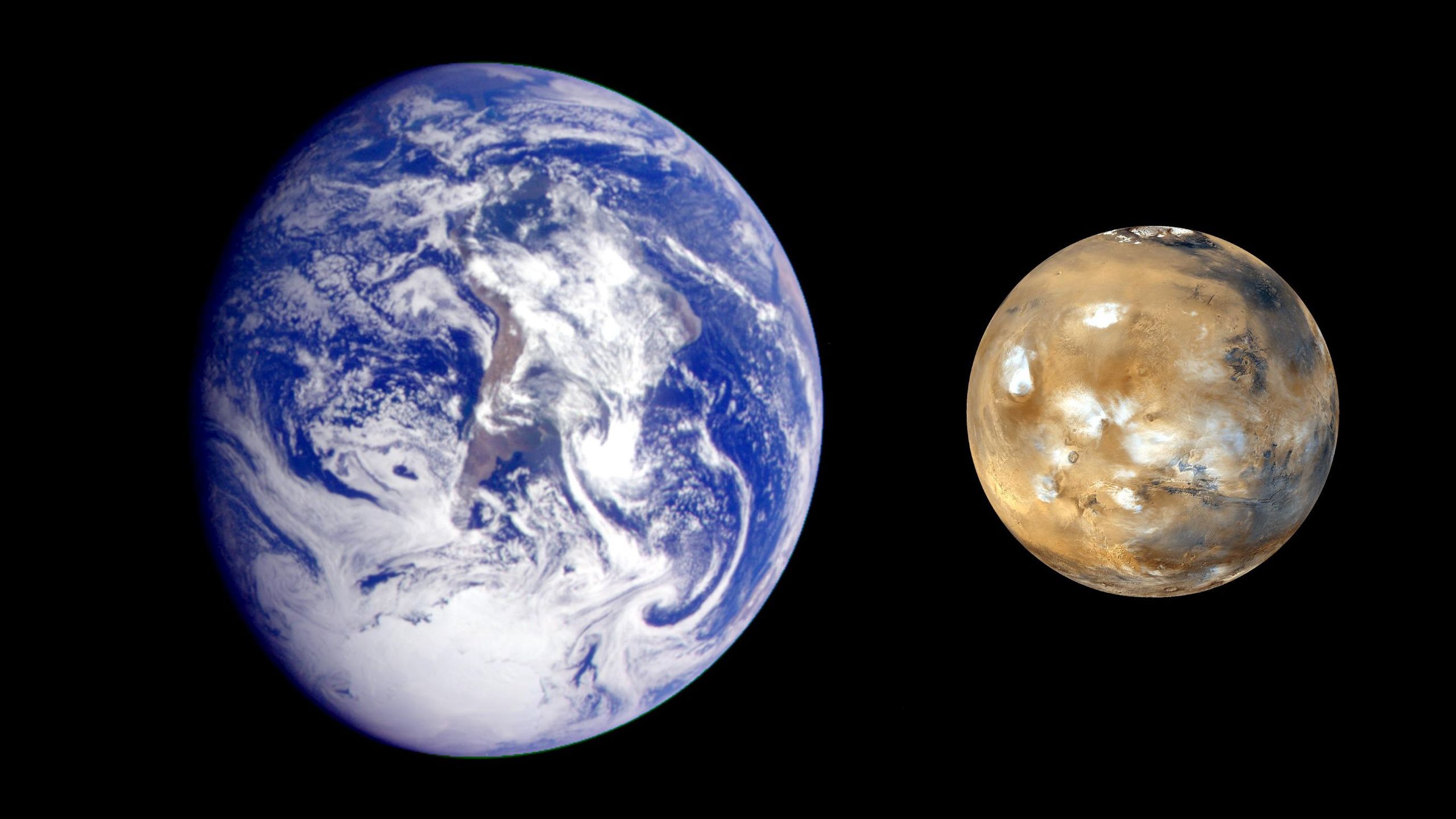
Einstein was right: Time ticks faster on Mars, posing new challenges for future missions - Live Science
Clocks on Mars tick faster by about 477 microseconds each Earth day, a new study suggests. This difference is significantly more than that for our moon, posing potential challenges for future crewed missions.

400,000-year-old Neanderthal campfire traces found in UK - DW
Researchers excavating an ancient Neanderthal site in southern England found evidence not just of a hearth, but of its inhabitants bringing iron pyrite to the area specifically to enable them to light fires.

U.S. to lose ground in Antarctica after pulling out last research ship, scientists say - The Washington Post
Scientists said the loss hinders their work and diminishes America’s leading presence on the continent. The NSF said it continues to support Antarctic research.
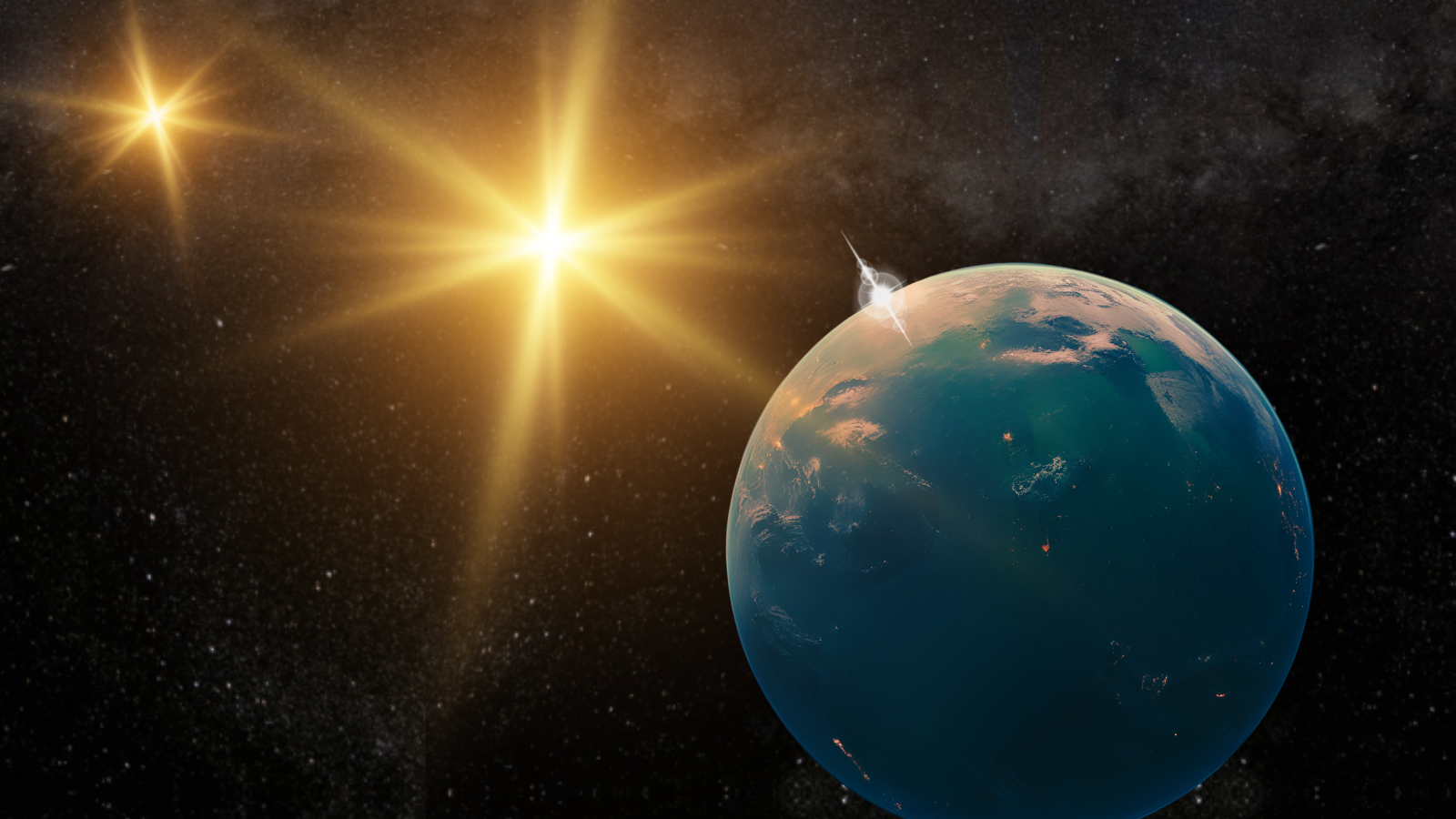
Astronomers discover images of rare Tatooine-like exoplanet with a strange 300-year orbit: 'Exactly how it works is still uncertain' - Space
The planet formed 50 million years after the dinosaurs died, making it incredibly young in cosmic terms.

No sterile neutrinos after all, say MicroBooNE physicists - Ars Technica
There’s a less than 5 percent chance that earlier anomalies can be explained by fourth neutrino “flavor.”…
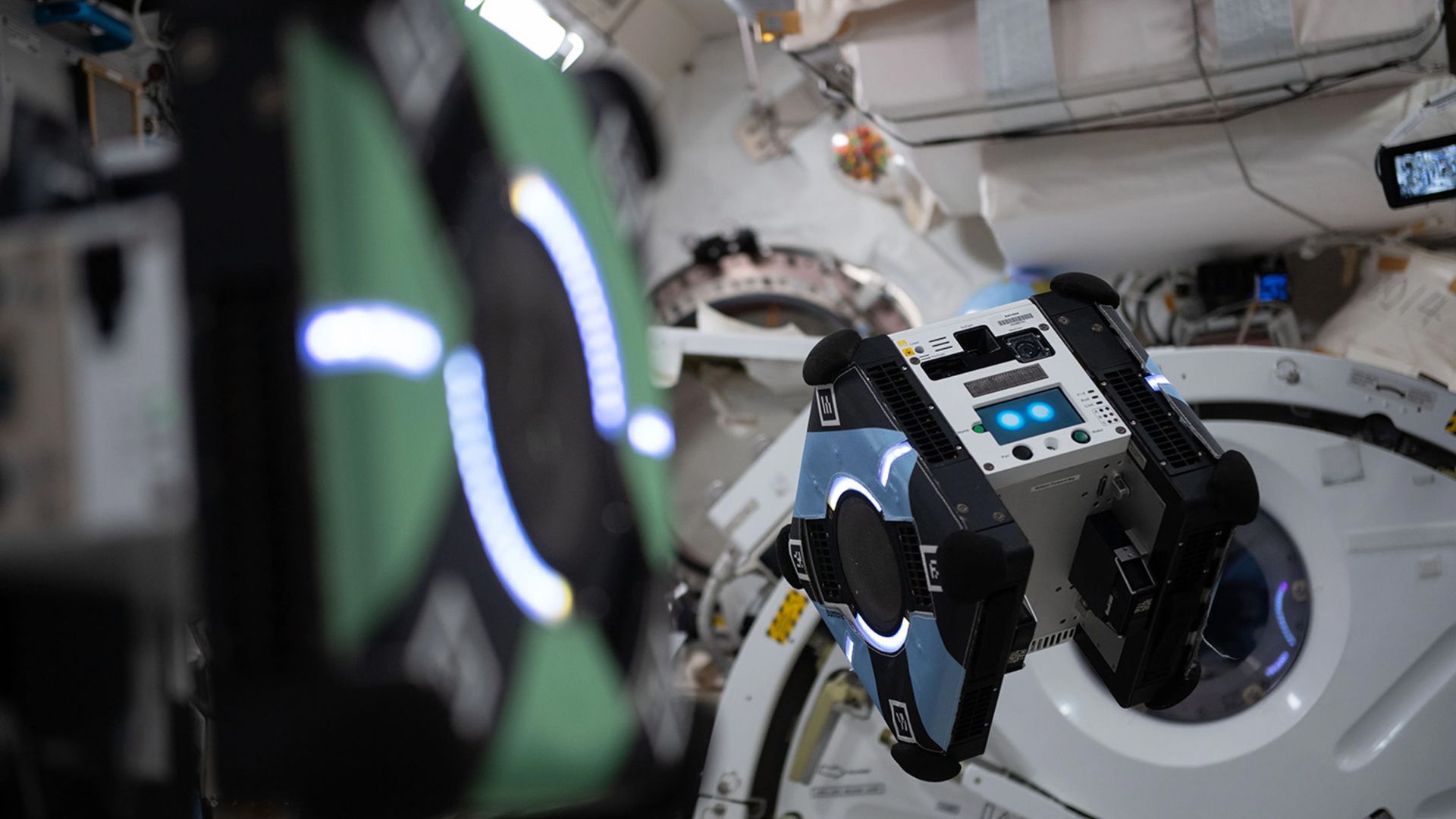
AI helps pilot free-flying robot around the International Space Station for 1st time ever - Space
"This is the first time AI has been used to help control a robot on the ISS."
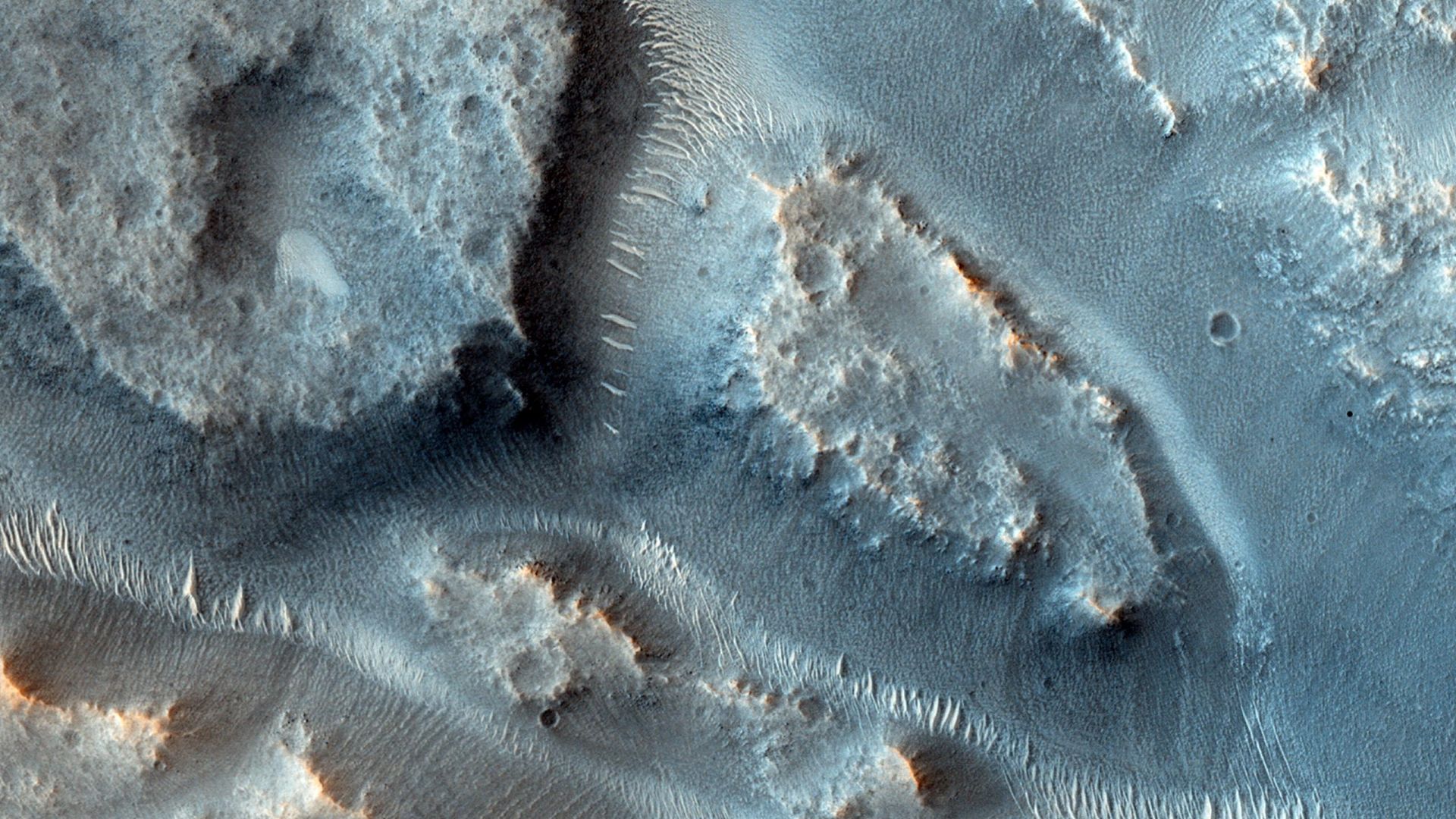
Scientists map of old Mars river basins for the 1st time. These could be great places to search for ancient life - Space
"We did the simplest thing that could be done — we just mapped them and pieced them together."
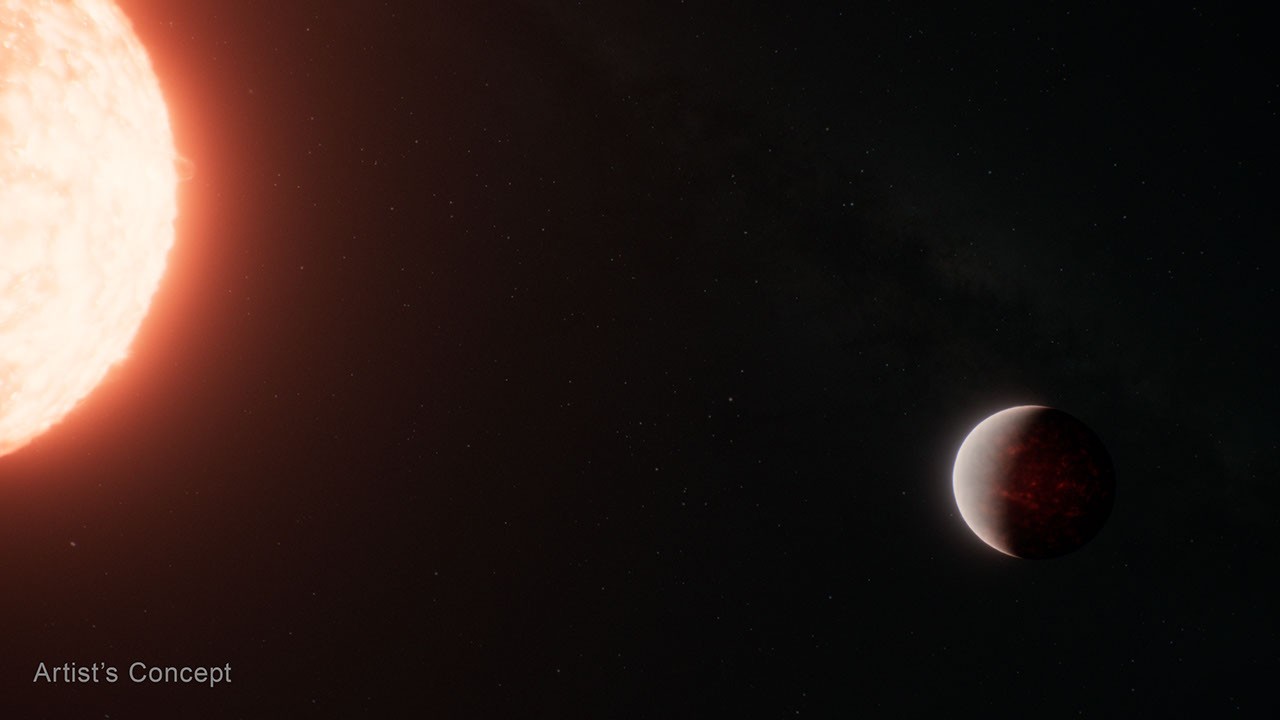
NASA’s Webb Detects Thick Atmosphere Around Broiling Lava World - NASA Science (.gov)
Researchers using NASA’s James Webb Space Telescope have detected the strongest evidence yet for an atmosphere on a rocky planet outside our solar system, as

The monster hiding in plain sight: JWST reveals cosmic shapeshifter in the early universe - Phys.org
In a glimpse of the early universe, astronomers have observed a galaxy as it appeared just 800 million years after the Big Bang—a cosmic Jekyll and Hyde that looks like any other galaxy when viewed in visible and even ultraviolet light but transforms into a c…

This Tiny Robot Was Lost for 8 Months Under Antarctica, Now It’s Back With Unbelievable Data - The Daily Galaxy
It vanished beneath the ice... 8 months later, it returned with secrets no one had seen.

Interstellar comet 3I/ATLAS caught on camera in new images from Hubble Space Telescope and JUICE Jupiter probe - Space
JUICE and the Hubble Space Telescope turned their gazes towards the interstellar visitor in November.