





📰 Latest Stories
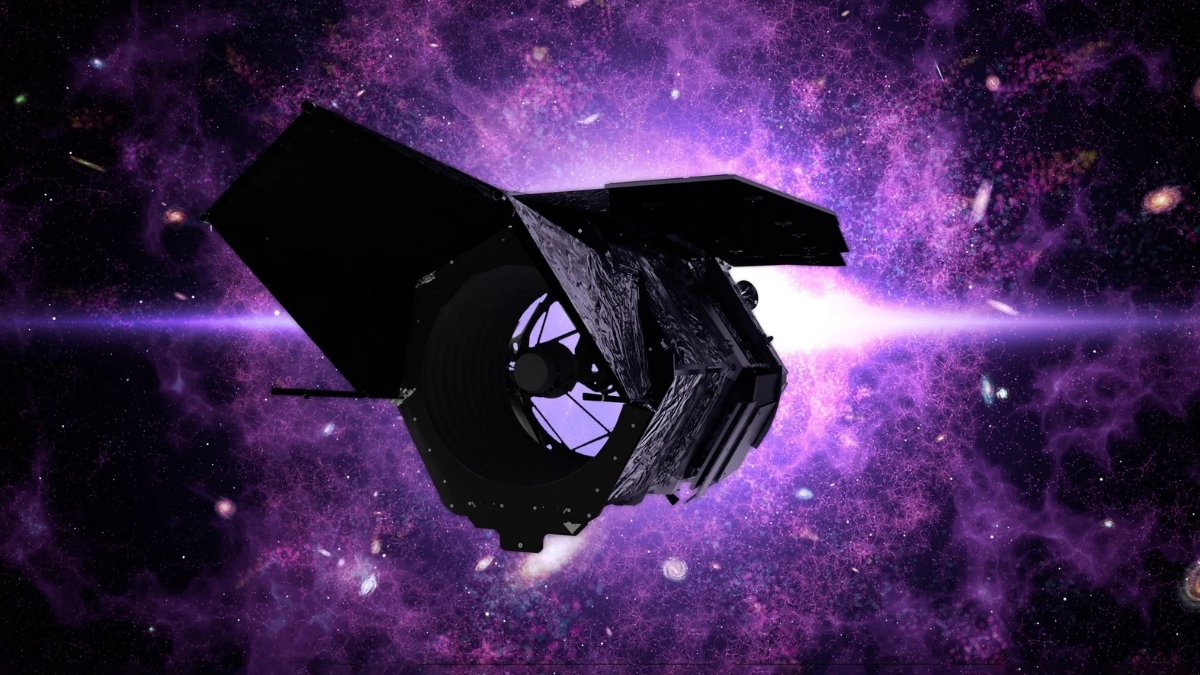
NASA Completes Next-Gen Telescope, And It Could Soon Reveal Whether We're Alone - ScienceAlert
If you feel a thrill every time we discover something new about the cosmos, then November 25th may have been a noteworthy day to you.

Fossilized Bee Nests Inside Skeletons Are Unlike Anything We’ve Seen Before - Gizmodo
In a first, burrowing bees have been discovered nesting inside the fossil remains of other mammals.
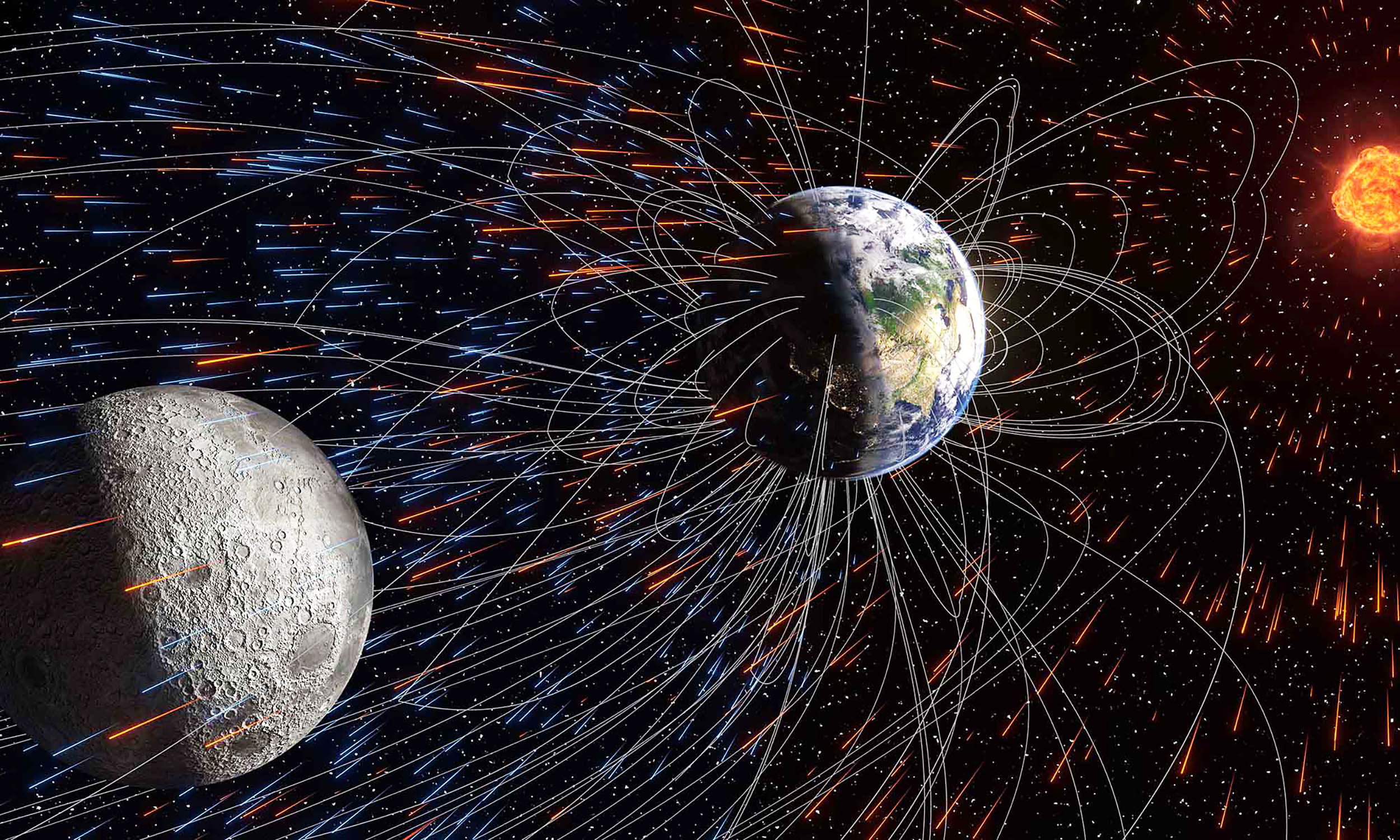
Earth is sprinkling the Moon with water and other life ingredients - Earth.com
Particles from Earth’s atmosphere may be preserved in the Moon's soil, offering a long-term record of Earth’s atmospheric history.
Armagh: Rare footage of lunar impact flash captured by observatory - BBC
The lunar impact flash - an explosion of light caused by something hitting the Moon's surface - was captured on Friday.

New ‘CRASH Clock’ Warns of 2.8-Day Window Before Likely Orbital Collision - Gizmodo
The CRASH Clock is a new metric for measuring the risks of satellite congestion in low-Earth orbit. Its calculations are disturbing.
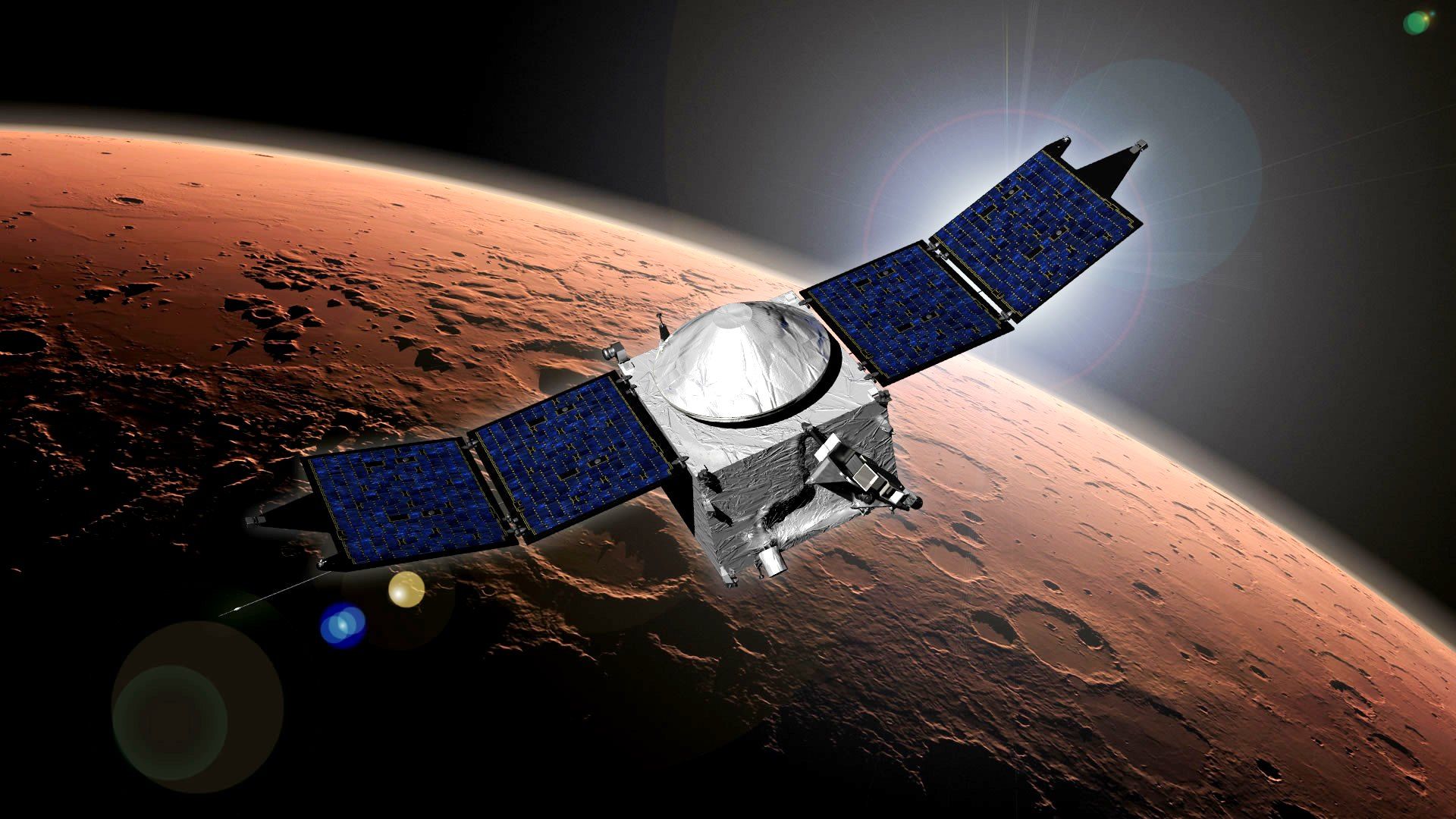
NASA's MAVEN spacecraft is still silent at Mars — and apparently is spinning, too - Space
MAVEN's handlers haven't heard from the probe since Dec. 4.
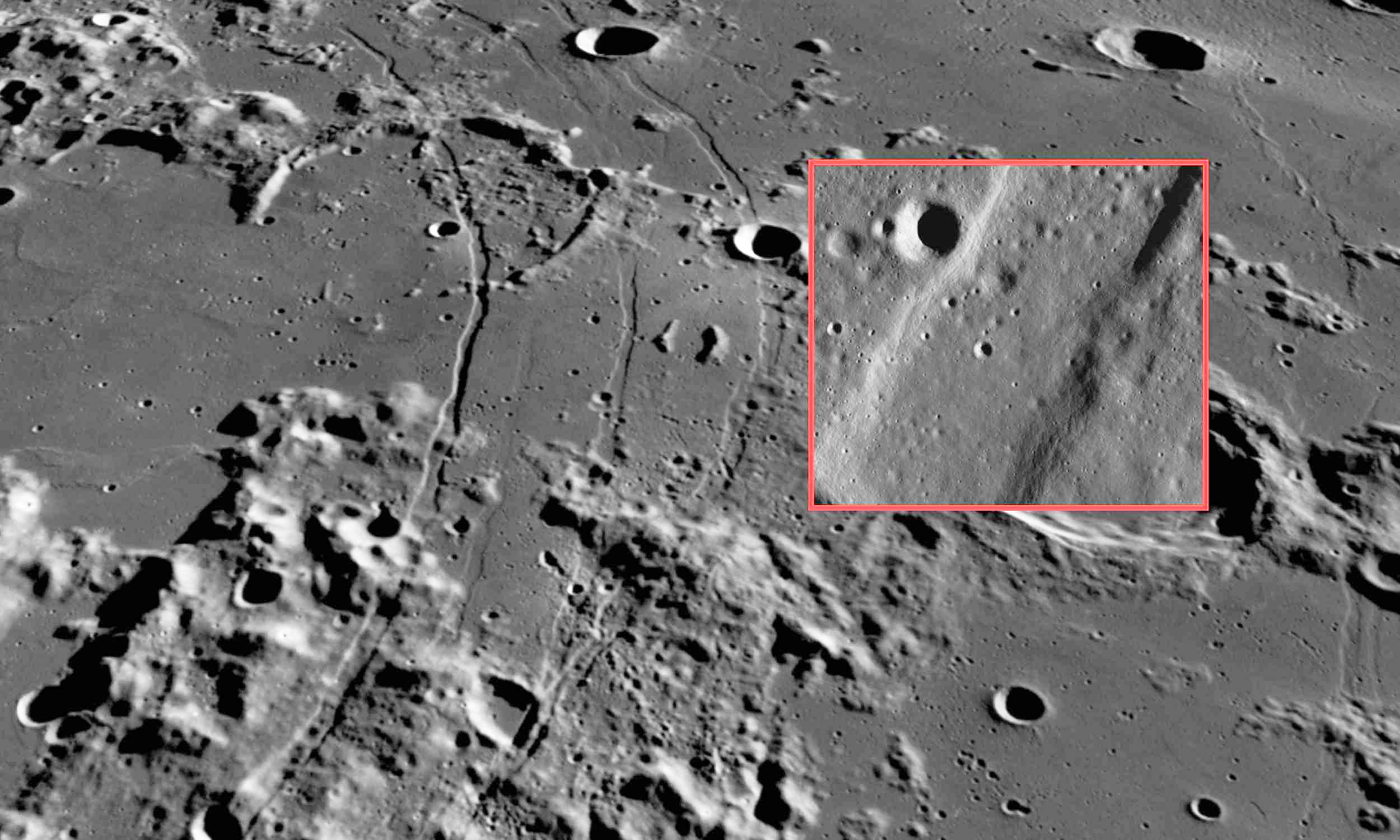
Unpublished images show that the Moon 'broke apart' billions of years ago - Earth.com
NASA has just revealed enormous cracks, or grabens, on the Moon that show how the Mare Humorum fractured billions of years ago.
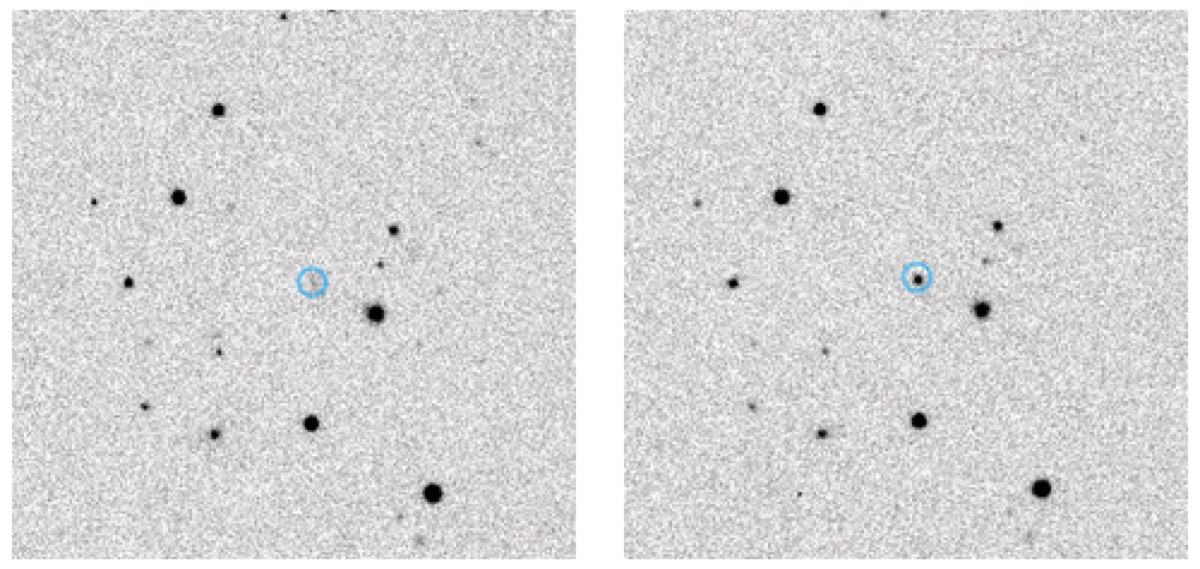
Scientists still can't explain the star that exploded repeatedly - Boing Boing
iPTF14hls exploded for over 1,000 days, fluctuating in brightness five times. It had already exploded in 1954.

Huge underground tunnels found in South America were not made by humans; footprints point to an animal - Times of India
US News: Massive underground tunnels discovered across South America are not human-made. Scientists now believe extinct giant ground sloths dug these extensive
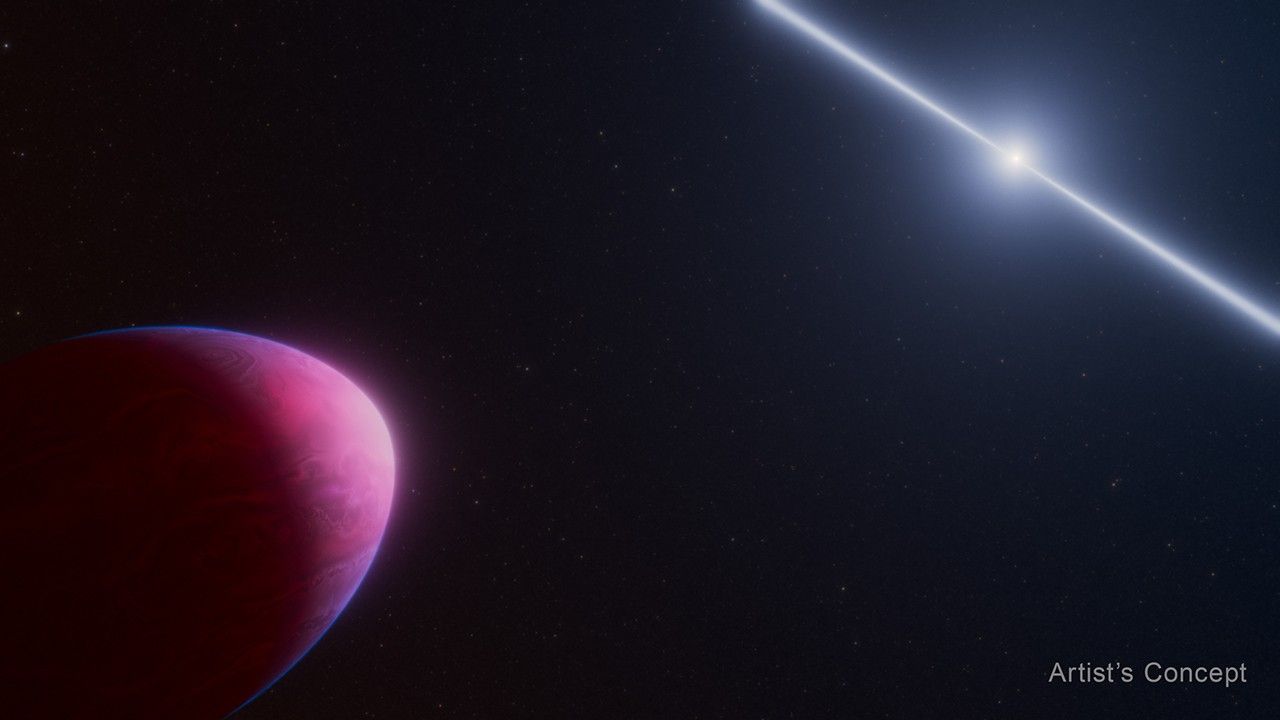
NASA’s Webb Observes Exoplanet Whose Composition Defies Explanation - NASA Science (.gov)
Scientists using NASA’s James Webb Space Telescope have observed a rare type of exoplanet, or planet outside our solar system, whose atmospheric composition

Comet 3I/ATLAS Is Experiencing A Non-Gravitational Acceleration – What Does That Mean? - IFLScience
Thanks to it, scientists have been able to estimate the comet's mass more precisely.
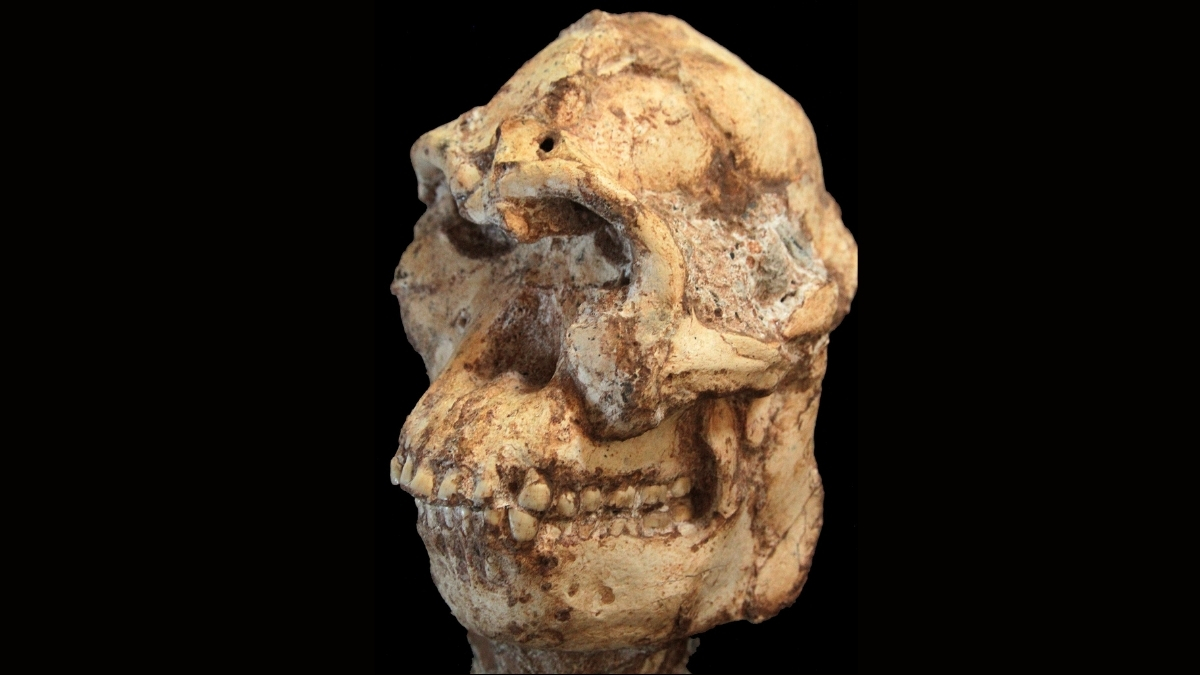
'Little Foot' May Be a Whole New Member of Our Family Tree After All - ScienceAlert
One of the most famous hominin fossils may not be as familiar as we thought.

These Fitness Benchmarks Show Whether You’re Still Strong After 40 - Men's Health
Strength, endurance, power and balance all decline with age – but you can measure where you stand. A coach breaks down the key fitness benchmarks men over 40 should aim for, and how to adjust expectations decade by decade.

Record-breaking feat means information lasts 15 times longer in new kind of quantum processor than those used by Google and IBM - Live Science
The novel design for the new qubit uses the chemical element tantalum in tandem with a special silicon substrate, creating what researchers say are the most coherent superconducting qubits to date.
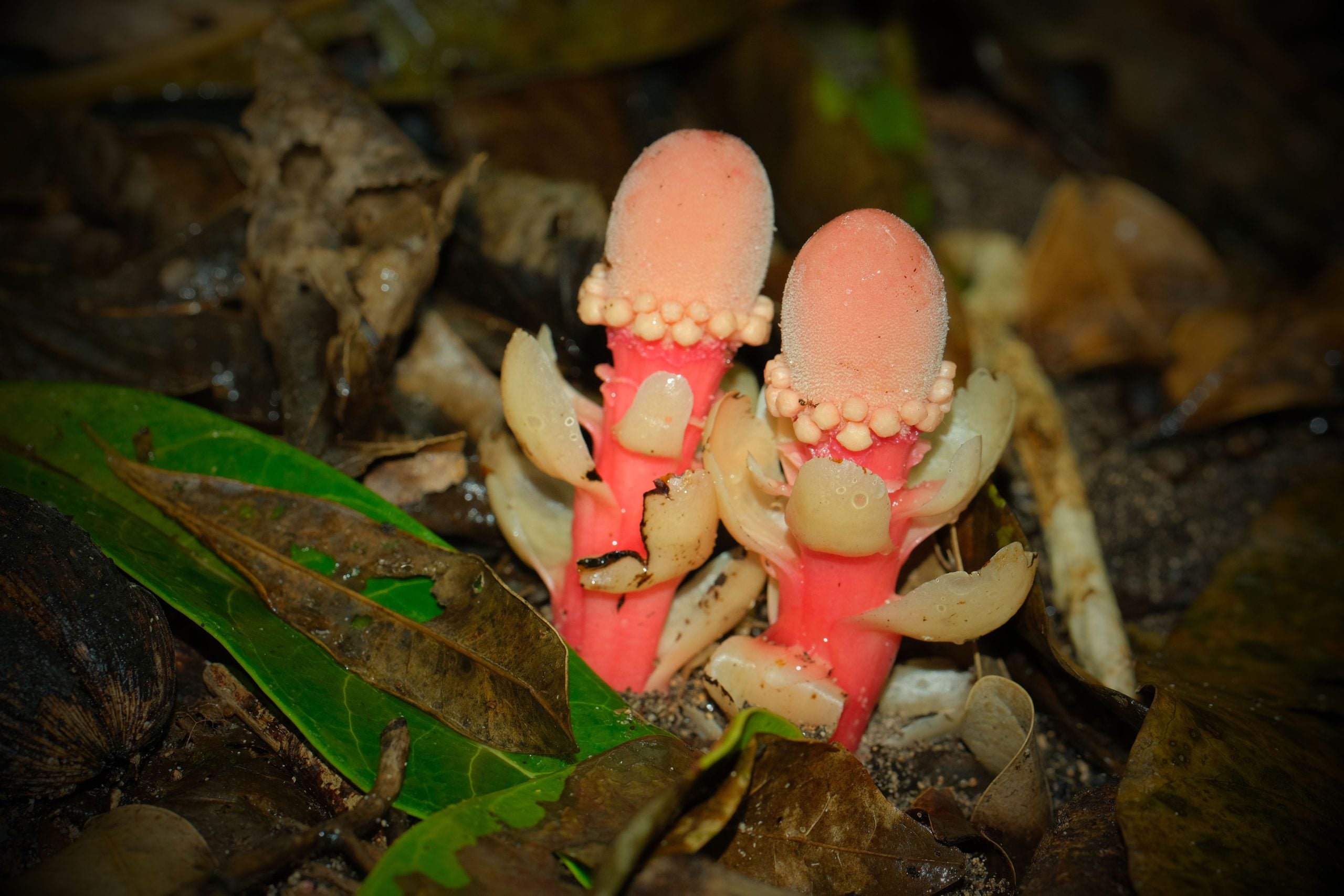
This “Mushroom” Isn’t a Fungus at All – It’s One of the Strangest Plants on Earth - SciTechDaily
A plant that looks like a fungus, lives like a parasite, and clones itself in the dark—Balanophora may be one of evolution’s strangest experiments. At the foot of moss-covered trees in the mountains of Taiwan and mainland Japan, as well as within the subtropi…

Alien Comet 3I/ATLAS Is Just About to Make Its Closest Approach to Earth - ScienceAlert
On 19 December 2025, interstellar comet 3I/ATLAS will at long last make its closest approach to Earth.
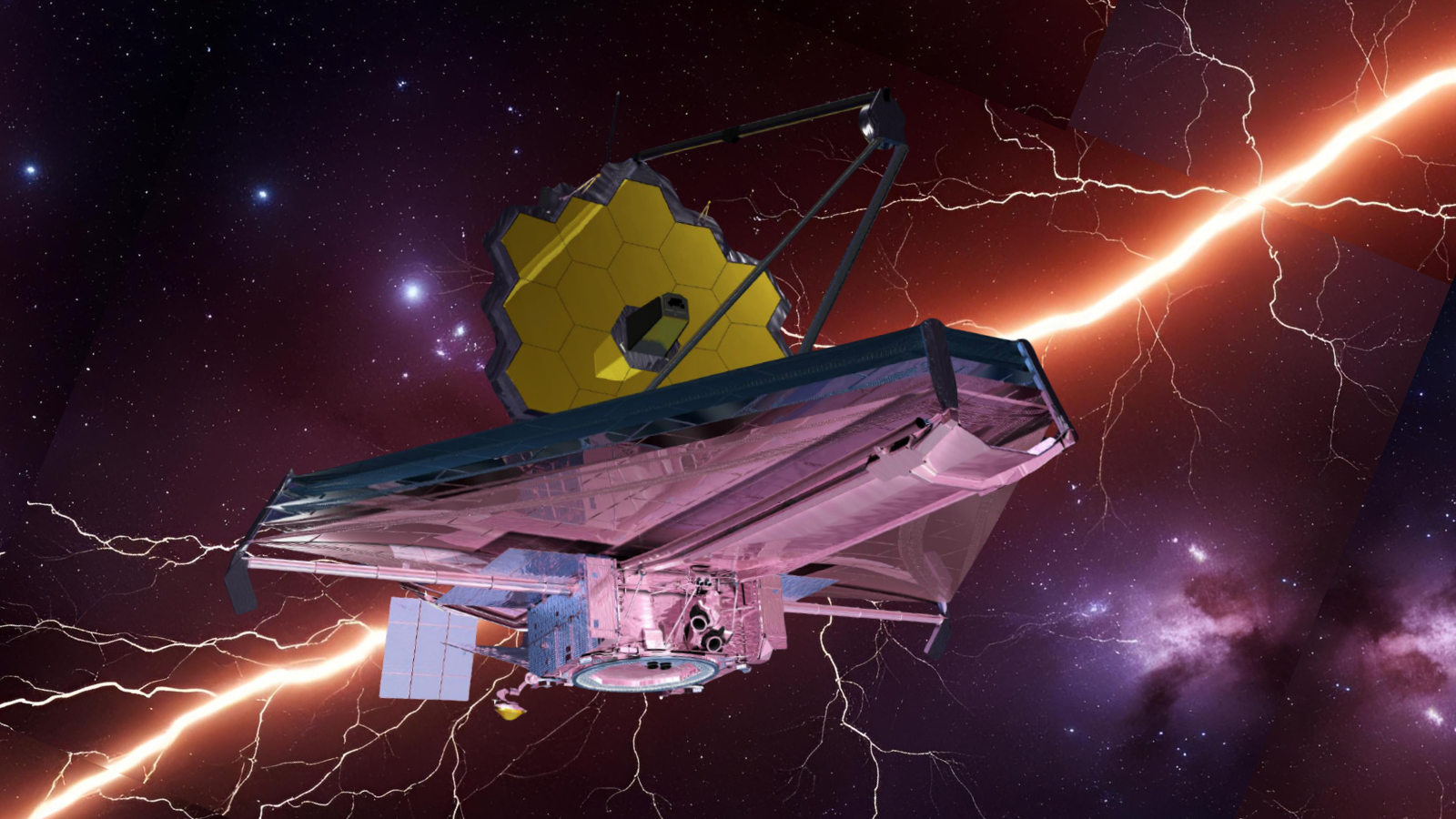
James Webb Space Telescope could illuminate dark matter in a way scientists didn't realize - Space
Smooth filaments stretching for many light-years, seen by the powerful space telescope, could indicate what the right "recipe" is for dark matter.

As 2025 ends, the Standard Model still hasn’t cracked - Big Think
Our Standard Model of the Universe, for both particle physics and cosmology, remains intact for now. When will its foundations crack?
Why does Bermuda appear to float? Scientists' discovery may be the answer - ABC News
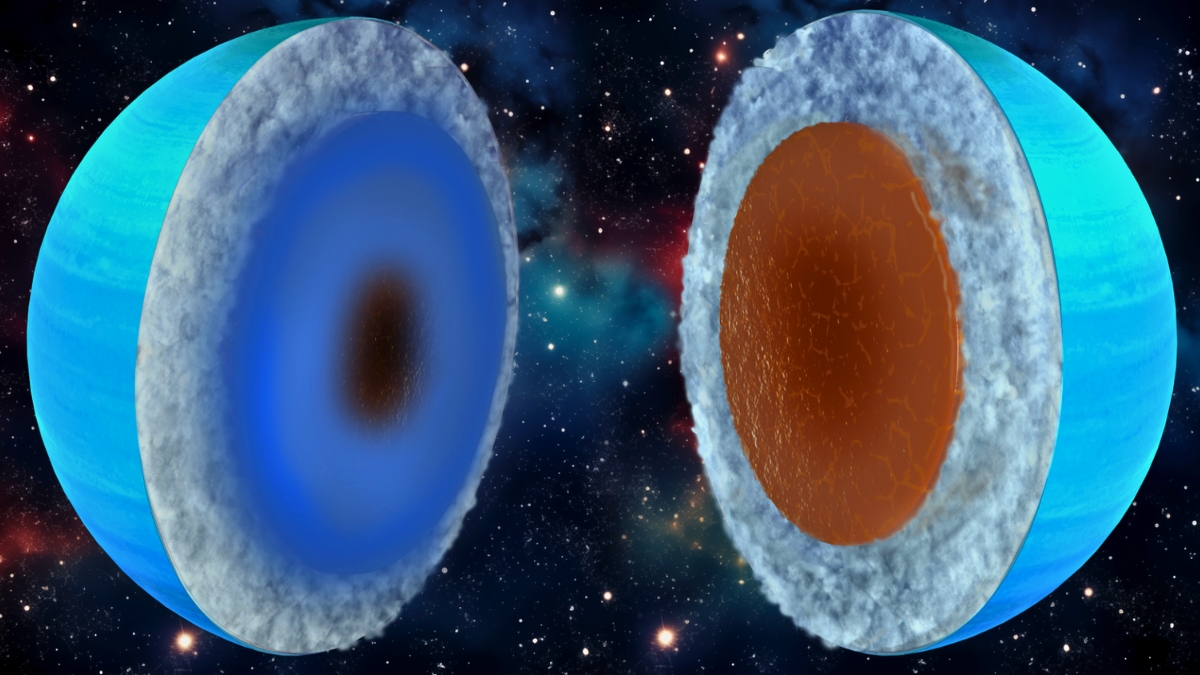
Uranus And Neptune May Not Be 'Ice Giants' After All, Study Suggests - ScienceAlert
Although they are technically gas giants, Uranus and Neptune are referred to as "ice giants" due to their composition.